Customer education as a sales tool is common at good fish shops: the seller explains a species, offers a taste or hands you a recipe card, and you leave with more confidence than you came in with. When it is honest, that teaching is useful. Knowing how to take advantage of it, and how to tell it from a pitch, makes you a much better seafood shopper.
What good education at the counter looks like
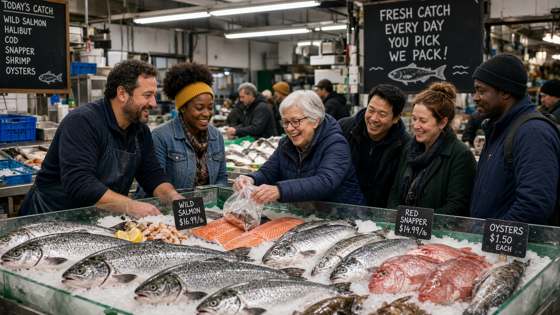
A knowledgeable seller does more than recommend the priciest item. They tell you what is fresh today, how a fish tastes, how to cook it and what to substitute. Signs of real help:
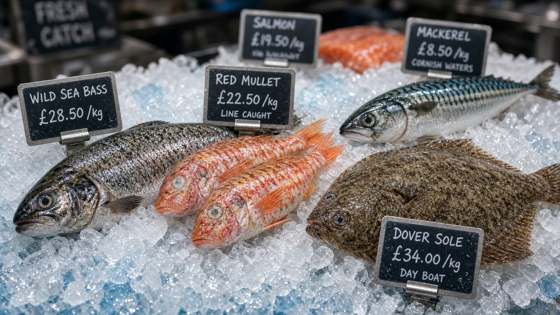
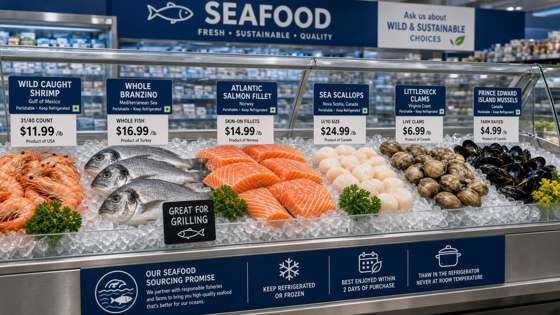
- They name the species, origin and whether it is wild or farmed without hesitating.
- They explain texture and flavor in plain words and match them to your recipe.
- They suggest cooking times and simple methods, or hand you a written tip.
- They tell you what not to buy today.
- They are happy to let you smell and look, and to cut or clean fish to order.
What to learn as a shopper
Customer education as a sales tool: judging freshness
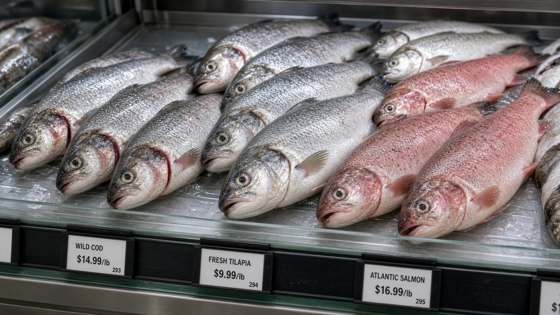
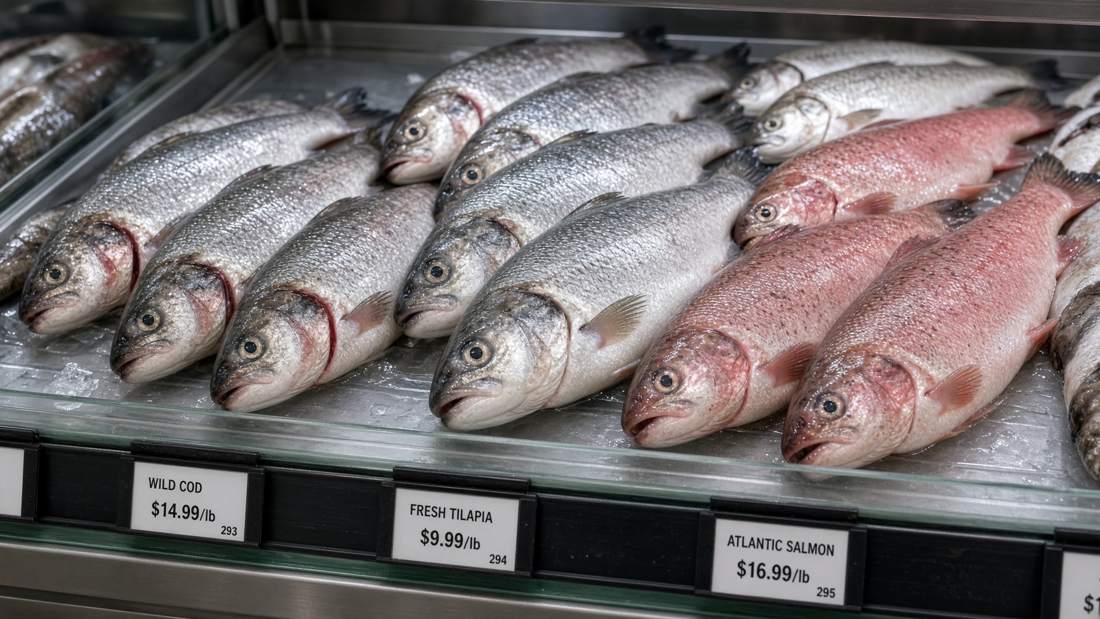
Learn the signs: clear bright eyes, clean smell, firm flesh and moist, glossy skin. See recognizing freshness in fish and spoilage signs you should never ignore.
How to read labels
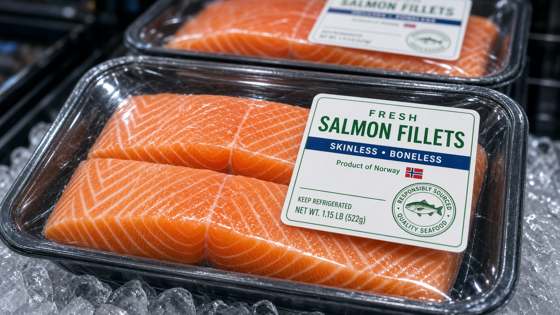
Know what terms such as wild-caught, farm-raised, previously frozen and country of origin mean, and what certification logos stand for. The reading seafood labels and certifications guide covers them, and FishWatch gives profiles of many species.
How to cook and store
Fish cooks quickly and is easy to overcook, so knowing a few doneness cues, storing fish cold, and freezing leftovers promptly will save money and waste. The FDA advice about eating fish is a trusted starting point for safety, including who should limit certain species.
Customer education as a sales tool: spotting the pitch
Education and selling overlap, and that is fine. Honest sellers want you to come back. Stay alert, though, when you hear:
- Vague superlatives. "Best you will ever taste" without facts on species or origin.
- Pressure to buy more. A good seller does not push quantities you will not use.
- Unverifiable claims. "Totally sustainable" with no certification or fishery details. Check ratings on Seafood Watch when you can.
- No answers. If a seller cannot say where a fish is from, that tells you something.
A simple habit that pays off
Before you leave the counter, ask two questions: "How should I cook this?" and "How long will it keep?" The first gets you a method matched to the fish, and the second tells you whether to eat it tonight or freeze it. Writing the answers on your phone takes seconds and builds a personal reference over time.
Ways to learn more
- Ask for a sample or a small portion to try before buying a large amount.
- Take a recipe card or ask for cooking advice.
- Attend tastings and classes at your local market. Read building a relationship with your fishmonger.
- Follow shops that share where their fish comes from.
When customer education as a sales tool is done well, you gain skills that outlast the purchase. Use the counter as a classroom: ask what is best today, why, and how to cook it, and you will buy better seafood every time.