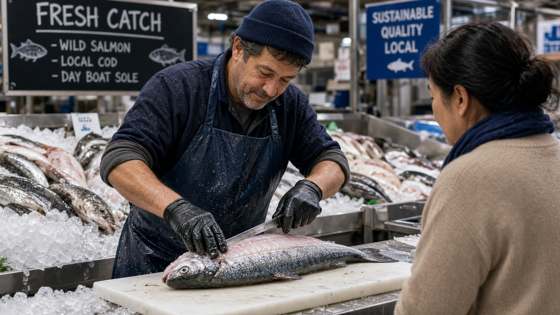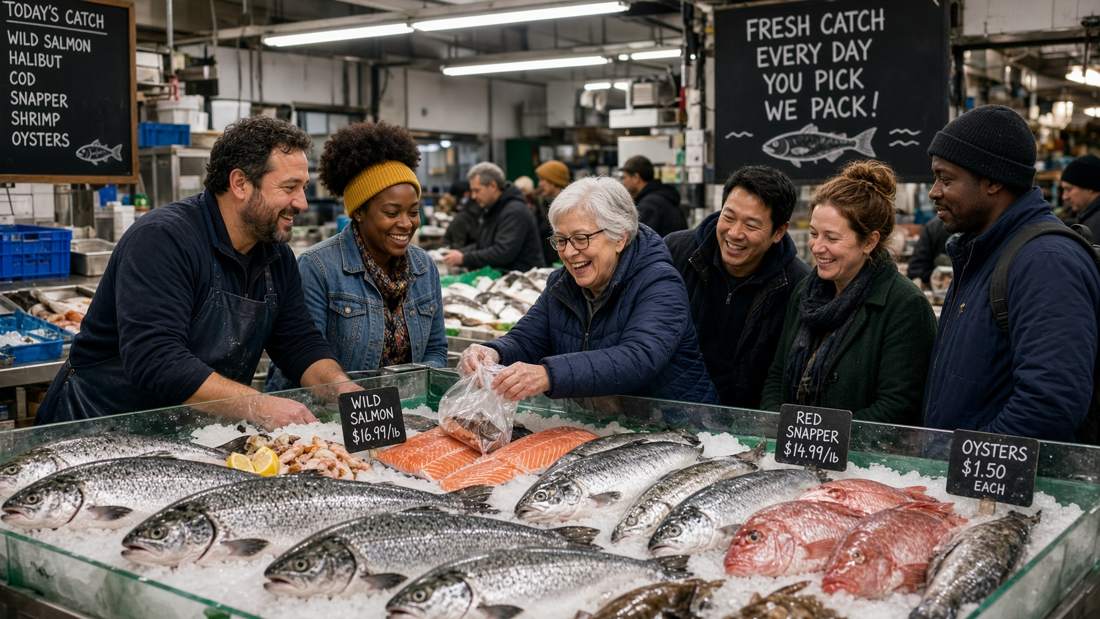
Seafood photography tips are usually written for sellers, but they are just as useful if you shop online, because a good photo shows you things a bad one hides. Understanding what sellers do to make fish look appealing helps you read a listing critically, and decide when to trust a picture and when to ask for more information.
What seafood photography tips tell shoppers about quality
Sellers photograph seafood on a clean background, in good light, often with a bit of lemon or herbs beside it. That is normal, and it is not deceptive by itself. What matters is whether the photo shows the actual product you will receive. Here is what to look for.
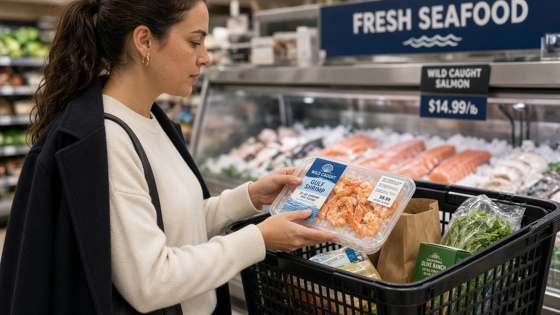
- The real pack or cut. A photo of a whole plated dinner does not tell you the size of the fillet inside the pack. Look for a picture of the raw or frozen product itself.
- A size reference. A hand, a ruler or a familiar object in the frame shows scale. For shrimp, the count per pound is more reliable than a photo.
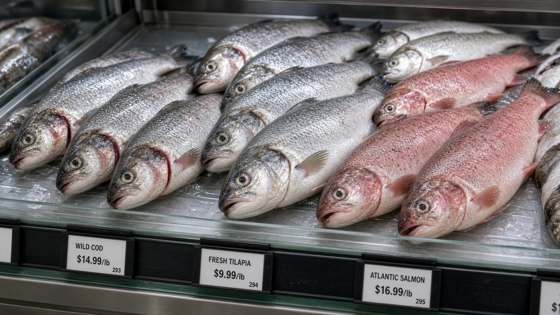
- Natural color. Fresh salmon is pink to orange, white fish is translucent to white, and scallops are creamy ivory. Oversaturated, glowing colors suggest heavy editing or strong lighting.
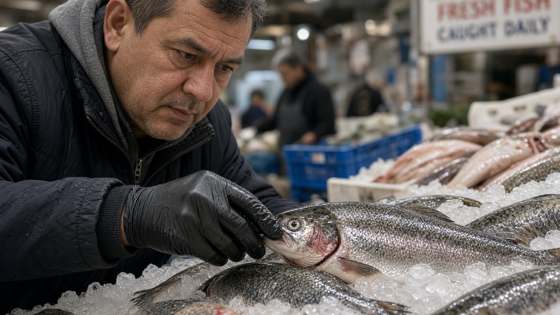
- Visible texture. Moist, firm-looking flesh with no gaps or browning at the edges is a good sign.
- Several angles. More than one image, including a close-up, generally means the seller is comfortable showing the product.
Common photo tricks to watch for
Seafood photography tips: cooked photos for raw products
A beautifully seared steak on a plate is a serving suggestion, not a description of what arrives. Check the listing for the product state: raw, cooked, smoked or marinated.
Stock images and the wrong species
If the same photo appears on many sites, or the fish pictured does not match the name, ask. This is one way mislabeling slips through, and our guide to avoiding fraudulent seafood substitution explains how to protect yourself.
Glaze and ice
Frozen products are often shown looking glossy. A thin ice glaze protects the fish, but a heavy glaze adds weight you are paying for. The label or listing should state net weight.
Using photos together with other information
- Read the description for species, origin, weight and how the product was frozen or chilled.
- Check customer photos in reviews. Real buyers' pictures show what arrives, including packaging.
- Look up the species on FishWatch to confirm what it should look like and how it is usually sold.
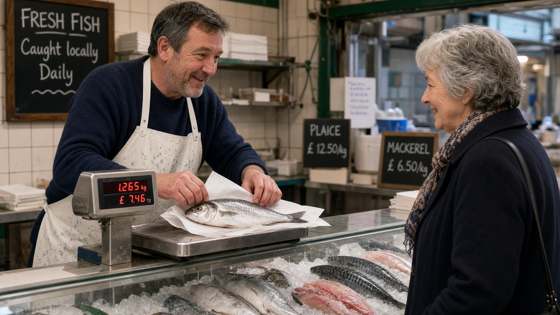
- Ask the seller if you are unsure. A quick email about portion size or thickness tells you a lot by how quickly and clearly they reply.
For more on the listing side, see writing product descriptions that sell seafood, which explains how to read the words that go with the picture, and buying seafood online: what to check for the full checklist.
What to do if the delivery does not match
Take your own photos on arrival, including the box, the packing and the product, and contact the seller quickly. Keep the packaging until the issue is settled. For general safety guidance, the FDA advice about eating fish is a helpful reference.
The best seafood photography tips for a shopper come down to this: treat the photo as one piece of evidence. When the image, the description and the seller's answers all agree, you can order with a good deal more confidence.