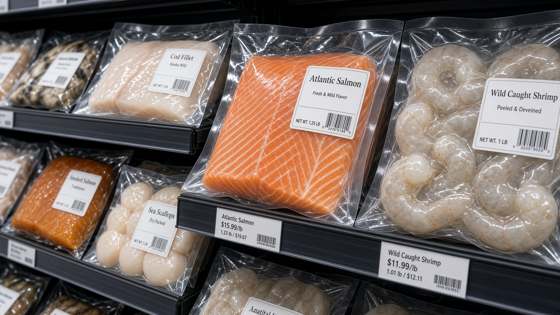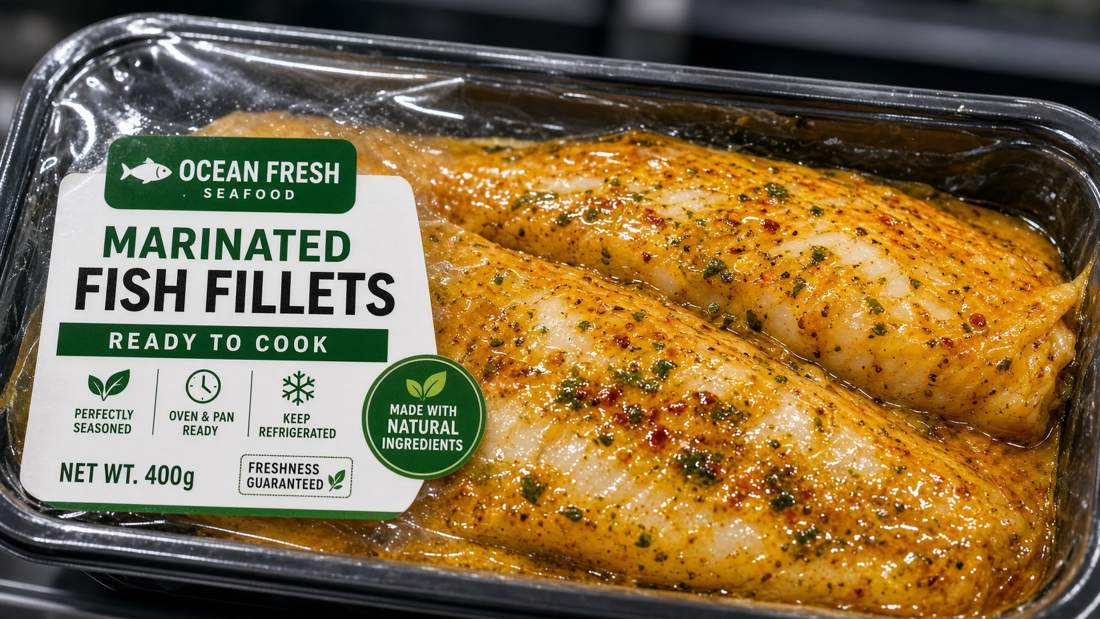
If the same fillet costs more on Friday than it did on Tuesday, the shop has probably not changed its mind. It has most likely paid a different price for it. Understanding how wholesale seafood pricing works explains most of the swings you see at the fish counter, and it gives you a few practical ways to spend less without lowering your standards.
How wholesale seafood pricing works at the dock
Retail seafood prices are built on a wholesale price, which is what a shop or supermarket pays a dealer or processor for the product. Unlike packaged groceries, that price is often not fixed for months. Fresh seafood is perishable, supply depends on weather, seasons and fishing rules, and demand jumps around holidays. All of that moves the wholesale number, sometimes daily.
Several things set the figure:
- Supply that day. Rough seas keep boats in port, and a short landing pushes prices up. A big landing of one species can push them down.
- Demand. Lent, Christmas Eve, Lunar New Year and summer grilling weekends all lift demand for particular items.
- Form and size. Whole fish, fillets, skinless portions, and larger or more uniform pieces each carry a different price because of the labor and waste involved.
- Origin and handling. Air-freighted fresh fish costs more to move than frozen product shipped by sea.
- Fresh or frozen. Frozen product can be stored, so it tends to be steadier in price than fresh.
From dock to counter: where the markup comes from
Between the boat or farm and your basket there may be a processor, a distributor and a retailer. Each takes a margin to cover real costs: cutting and trimming, ice, refrigerated trucks, rent, staff, and the product that never sells. Seafood is unforgiving here. A fillet that does not sell in a couple of days may have to be discounted, frozen or thrown away, so shops build the cost of that loss into prices on everything else.
This is why a whole fish usually costs less per pound than the fillets from it. You are paying for the work of filleting and for the trim that is discarded. Our guide to recognizing freshness in fish shows how to judge a whole fish with confidence, which is the cheapest route for many species.
Reading the price per pound
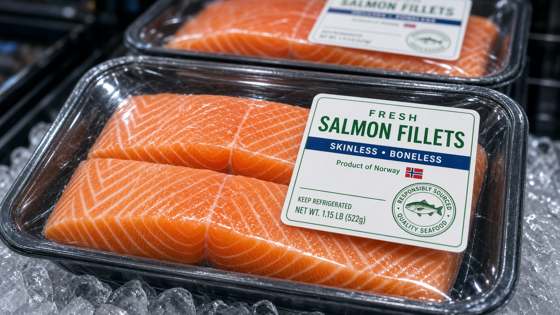
Look closely at what the per-pound price covers. Shell-on shrimp are priced on weight that includes the shell, so a pound yields less meat than a pound of peeled shrimp. Crab legs and whole lobster include shell weight too. Fillets with skin and pin bones cost less than boneless skinless portions. Compare like with like before deciding something is a bargain.
Glazing matters for frozen product. A thin ice coating protects frozen fish from drying out, but a heavy glaze means part of the weight you pay for is water. Check the package, which will often state net weight excluding glaze, and the FDA advice about eating fish is worth a read when you are choosing species for regular meals.
How to use wholesale pricing logic when you shop
Use how wholesale seafood pricing works in your favor
- Buy what is plentiful. Species in heavy local supply are usually the best value. Ask the counter what came in strongly today.
- Avoid peak demand days. Buying scallops or crab the day before a major holiday tends to cost more. Shop earlier in the week or buy frozen ahead of time.
- Consider frozen. Frozen seafood is often frozen soon after catch and has steadier pricing. See fresh vs. frozen nutrition and taste before you decide.
- Buy larger formats. A whole side or a bag of frozen portions often costs less per pound than a single tray.
- Ask about specials. Shops sometimes mark down perfectly good fish that must be sold that day. Ask whether it is safe to cook today and cook it straight away.
When a price looks too good
If a premium species is far cheaper than every competitor, ask why. It may be a genuine promotion, a different grade, a different species sold under a similar name, or product that is close to its sell-by date. Our piece on avoiding fraudulent seafood substitution explains what to check. Labels help too: the FishWatch site lets you look up a species and see whether it is wild or farmed and where it comes from.
The short version of how wholesale seafood pricing works is that the shop is passing along a moving cost plus the cost of handling a fragile product. Once you see that, you can shop the market the way the buyers do: follow supply, avoid the rush, and pay for the work you actually want done.