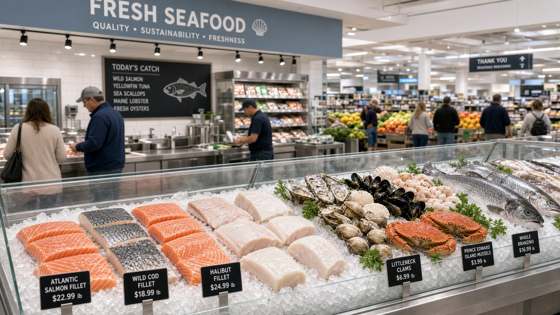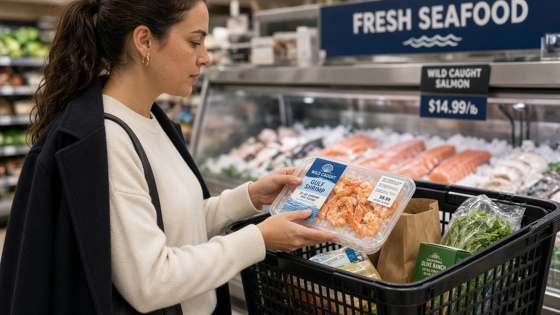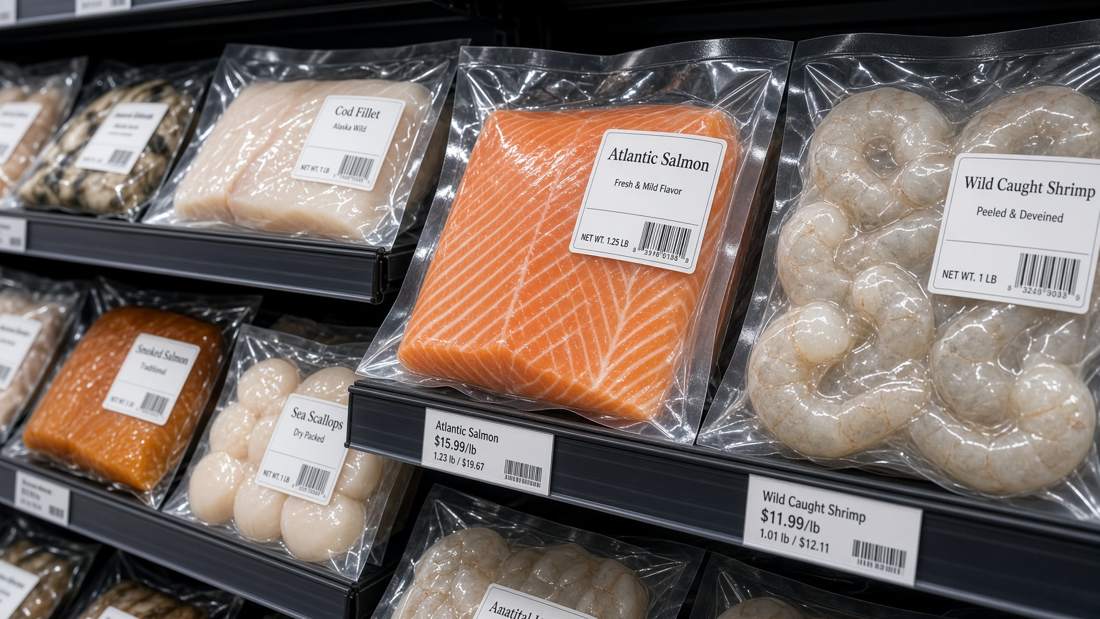
Tariffs and trade rules for seafood are taxes and conditions that governments place on fish crossing their borders, and they can change what you pay for imported shrimp, salmon, tuna and other products. The effect is usually gradual, and it varies by product and country, so check current rules and prices before assuming a change.
How tariffs and trade rules for seafood work
A tariff, or duty, is a tax on imported goods, paid by the importer, who may pass some or all of it on to the seller and then to you. Other trade rules include safety inspections, labeling requirements, quotas and documentation to show that fish was legally caught. The details change over time, so any specific rate you hear in the news is worth checking against an official source.
Tariffs and trade rules for seafood: special duties on some products
Some seafood, such as certain farmed shrimp, has at times faced extra duties after trade disputes. These are separate from general tariffs. Because rules change, check the current position with official sources rather than relying on old figures.
What it means at the counter
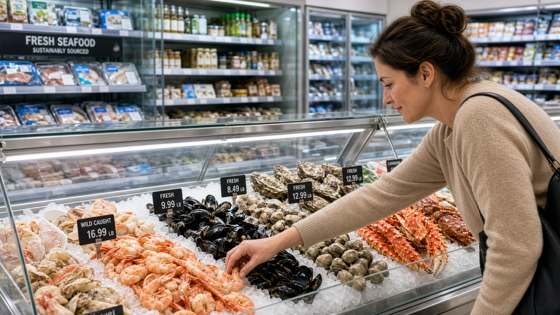
- Prices of affected products may rise, or retailers may switch to other source countries.
- Some products may become less available for a while.
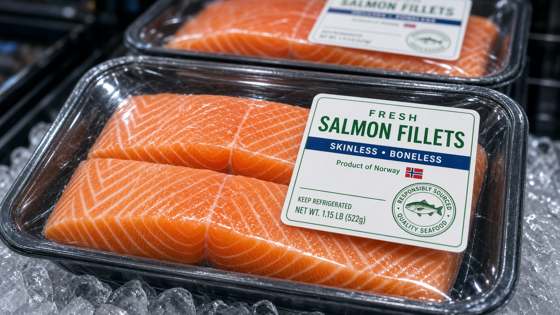
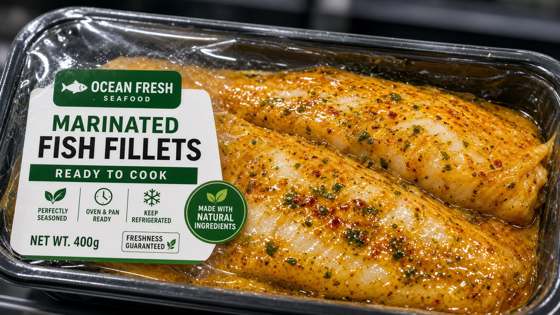
- Store brands may change origin without changing the package much, so read the label each time.
- Some sellers absorb part of the cost, particularly on staple items.
Our guide on import versus domestic seafood markets explains why sources shift.
Import rules that protect you
Not all trade rules are about money. Seafood imports must meet food safety requirements under the FDA's seafood program, described in the seafood HACCP overview, and certain species are tracked under the Seafood Import Monitoring Program. These checks help ensure that what you buy is safe and legally harvested.
How to shop when prices shift
- Compare unit prices more often; see why seafood prices change day to day.
- Try a different species with a similar taste. Ask the counter for a swap.
- Look for domestic or regional alternatives when they are in season.
- Buy frozen or canned, which are often steadier in price than fresh.
- Check the country of origin each time, since it may change.
Staying informed
Government agencies publish official information on trade rules and import monitoring. News stories often simplify the picture, so use them as a prompt to check prices, not as a final answer. If an item you like gets more expensive, a flexible approach to species and form usually saves more than waiting for rules to change.
Which products tend to feel trade changes most
The United States imports a large share of the seafood it eats, which is why trade changes can reach the counter. Products with heavy import reliance, such as shrimp, canned tuna and many frozen fillets, are the most exposed, while seafood that is mostly domestic, such as certain Alaska and Gulf catches, is less so. Even so, a domestic fish can get pricier if demand shifts toward it. Check current price and origin information instead of assuming.
Why the price does not change overnight
Importers often hold inventory bought before a rule change, contracts fix prices for a period and retailers may absorb part of a cost to stay competitive. That means changes often appear gradually, and some may never show up on a particular item. Weather, fuel costs, disease in farms and exchange rates also move prices, so a trade rule is rarely the sole cause.
Smart buying strategies
Switch form, not just species
Canned, frozen and fresh versions of the same fish can differ a lot in price. Frozen fillets and canned fish are often the best value, and they keep longer, which reduces waste. Frozen shrimp bought in a bag may cost less per pound than shrimp from the counter, and it can be thawed as needed.
Plan around what is plentiful
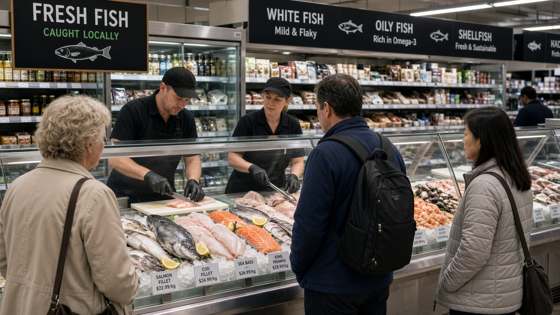
- Ask the fishmonger what is abundant and priced well that week.
- Choose seasonal local fish in your region.
- Use cheaper, mild white fish in recipes calling for pricier ones, such as pollock or tilapia in tacos.
- Buy larger packs when on sale and freeze portions in airtight bags.
- Stretch seafood with beans, vegetables, rice or pasta.
How to read news about seafood trade
- Check the date, since trade rules change frequently.
- Look for the specific product and country named, not general statements.
- Prefer official sources for rates and rules, such as government trade and fisheries agencies.
- Remember that a proposed change is not the same as a final one.
Labels still tell the story
Whatever happens with trade, the label remains your best source of information. Look for country of origin, wild or farmed, species name and any thawed or previously frozen note. If a favorite product disappears or changes origin, try a comparable species and compare the texture and flavor on a small scale before stocking up. Our import and domestic market article, linked above, explains why those shifts occur and what they mean for choice.
Tariffs and trade rules for seafood can nudge prices up or shift sources, so keep an eye on unit prices, read origin labels and be ready to swap to an equivalent fish when the cost rises.