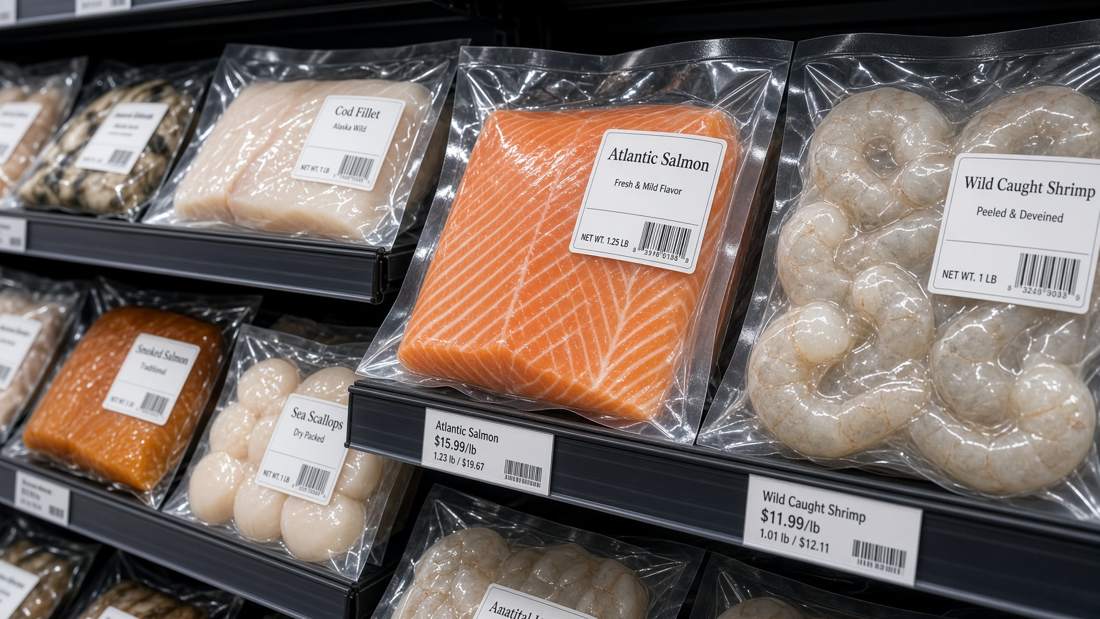
Handling complaints in seafood retail goes more smoothly when the shopper knows what to do, and spoiled or mislabeled fish is one of the situations where speed matters. Whether the problem is a strong off smell, a delivery that arrived warm or a fillet that is not the species on the label, these steps protect your health and improve your chance of a fair resolution.
First, decide whether it is safe
Do not taste seafood to test it. If it smells strongly sour, ammonia-like or rotten, feels slimy or sticky, or looks discolored, do not eat it. Our guides on spoilage signs you should never ignore and recognizing freshness in fish help you decide. Keep in mind that some seafood problems, such as scombroid poisoning from improperly handled fish, cannot be detected by smell alone; see histamine and scombroid poisoning prevention.
Handling complaints in seafood retail: steps to take
- Stop and keep the evidence. Do not cook or throw it away yet. Keep the product, packaging, label and receipt. Refrigerate or freeze it as appropriate, tightly wrapped, so it can be inspected.
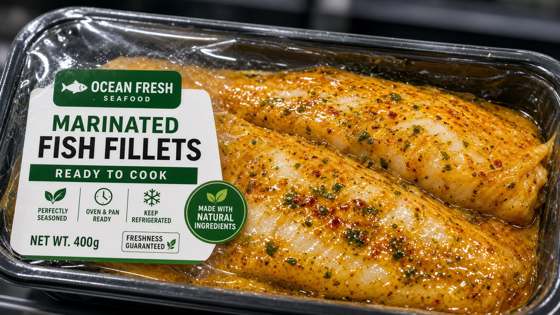
- Take photos. Photograph the product, the label with date codes, the receipt and, for deliveries, the box, ice packs and outer packaging.
- Contact the seller quickly. Go back to the shop, or phone or email the same day. Say clearly what is wrong, when you bought it, and what you would like: a refund or replacement.
- Be specific and calm. "The salmon smelled sour when opened and the use-by date is tomorrow" is more useful than "this is terrible." Reasonable sellers want to know.
- Ask for a written record. For delivered orders, get the response by email so there is a trail.
A fair outcome when handling complaints in seafood retail
Typically a refund or replacement for the affected product. Perishable goods often have limited return windows, so act promptly and check the seller's policy. Your consumer rights vary by country and state, so check current rules where you live.
When to report a safety issue
If you or someone in your household becomes ill after eating seafood, seek medical care first, and keep any remaining product and packaging. You can report the problem to your local health department, and in the United States the FDA and USDA accept reports of food safety concerns through their websites. The FDA also publishes general safety information at its advice about eating fish page, and details on how seafood safety is managed at the seafood HACCP page.
Mislabeling and substitution
If you believe the species is not what was sold, ask the seller about it and keep the packaging. Mislabeling occurs in the seafood trade; read avoiding fraudulent seafood substitution for how to spot it. Reputable sellers will check with their supplier.
Preventing the next problem
- Buy from sellers who can tell you where the fish came from and when it arrived.
- Check fish at the counter before it is wrapped.
- Get fish home quickly in a cooler bag.
- Read reviews for patterns; see reviews and reputation management to understand how sellers treat feedback.
Good sellers treat handling complaints in seafood retail as a chance to fix a problem and keep a customer. Keep your evidence, report quickly and politely, and put safety first, and most issues will be resolved fairly.