Seafood seller insurance is something you will rarely see, but it matters to you as a shopper because it is part of what makes a business accountable. Insurance, licensing and inspections together mean someone is responsible if a product causes harm, and there is a record of how the seller operates.
What seafood seller insurance means for shoppers
Businesses that sell food often carry liability insurance, which can help cover claims if a product makes someone ill. You do not need to ask to see it for a normal purchase. For larger or recurring orders, such as a wedding or a big CSF share, it is reasonable to ask whether the seller is insured and licensed. Requirements vary by place, so this is a matter of local rules.
Licensing and permits you can look for
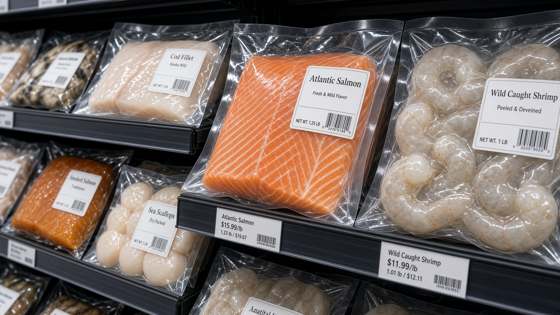
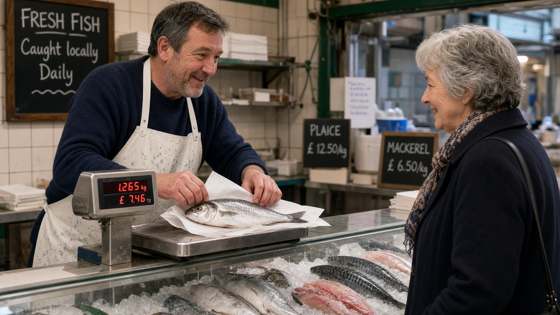
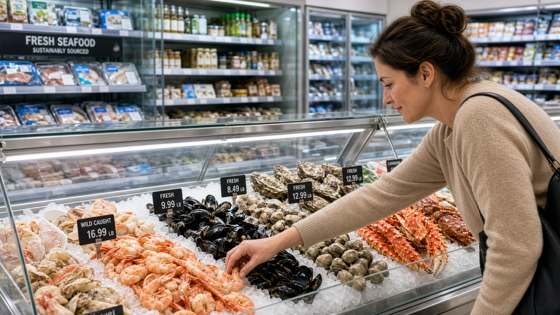
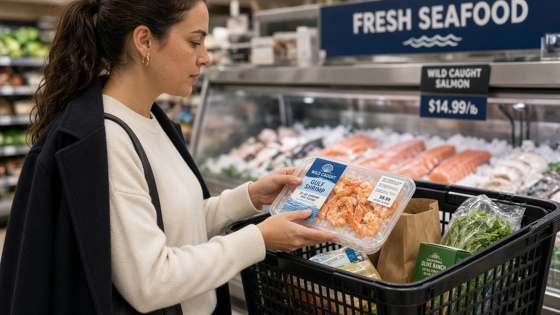
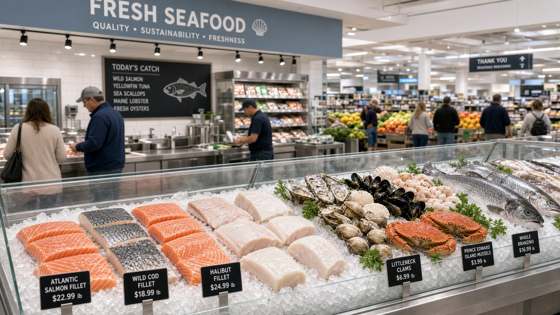
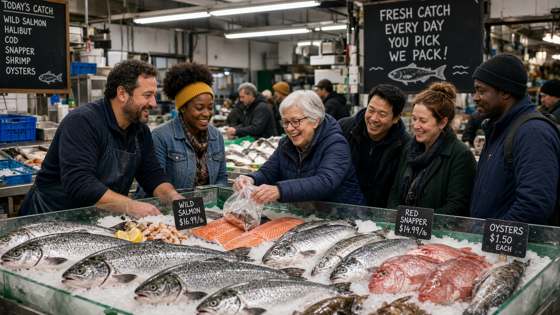
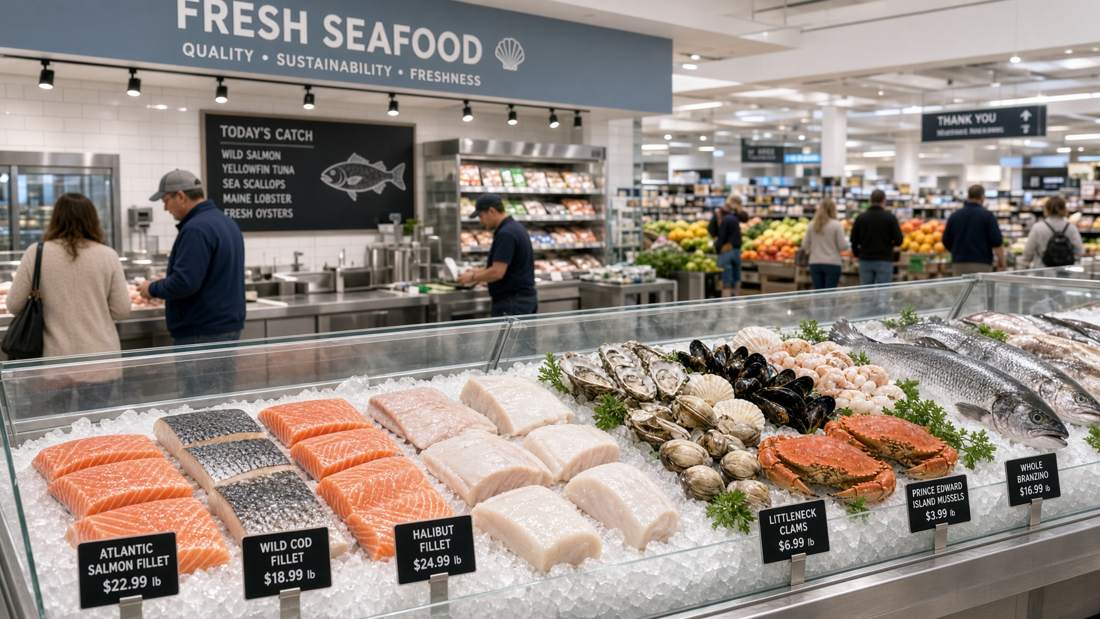
Seafood seller insurance: at shops and markets
Many places require a food business permit or license and inspection, often shown on a certificate near the entrance. Check that it is current. If you cannot see one, ask. For more on what inspectors check, see food safety inspections: what to expect.
For shellfish and shipped fish
Shellfish should carry tags showing where and when they were harvested, and sellers who ship should follow cold-chain rules. The Interstate Shellfish Sanitation Conference explains the shellfish safety system, and the FDA seafood HACCP page describes the preventive controls that many processors must follow.
Why accountability matters
- It means there is a named business to contact.
- It means inspections and records exist.
- It makes recalls and traceback possible; see recalls and traceback procedures.
If seafood makes you sick
- Seek medical care if symptoms are serious or you are in a higher-risk group.
- Keep any remaining product and packaging, if safe to do so, and note where and when you bought it.
- Tell the seller.
- Report it to your local health department, which can investigate and warn others.
The FDA's advice about eating fish includes guidance for people at higher risk. Check current local rules on how to report, since they vary.
Do not rely on insurance as a safety check
Insurance pays after something goes wrong; it does not prevent it. Judge a seller by what you can see: clean display, fish on ice, clear labeling and knowledgeable staff. See insurance and liability in seafood safety for more on how liability works.
Questions worth asking a seller
You do not need to see paperwork at every counter, but a few plain questions tell you a lot. Ask where the fish came from, how long it has been in the shop and whether it was frozen before. A seller who answers easily and without defensiveness is usually organized behind the scenes too. At a farmers market or dock sale, ask whether the seller holds the permits their area requires. Rules differ between states and towns, so a vendor who explains what they hold is more reassuring than one who waves the question away.
Shipped orders and online sellers
With online sellers you cannot see the counter, so rely on other signs: a physical address, a phone number that is answered, clear information on shipping temperature and a stated policy on boxes that arrive warm. Check that the listing names the species and origin. Reading reviews of seafood shops alongside this adds another check.
What to do when the box arrives
Open it promptly. Frozen product should be hard and cold; fresh product should be cold to the touch with ice packs still working. If it is warm or thawed in a way the seller did not promise, photograph it and contact the seller before eating any. Check the label or the FDA guidance for what is safe to keep.
Higher-risk groups should be extra careful
Pregnant people, young children, older adults and anyone with a weakened immune system face greater risk from certain foodborne illnesses. Raw or lightly cooked shellfish, and smoked or cured fish that is not cooked, call for extra care. Buy from sellers who are licensed and who keep product cold, and follow the FDA advice linked above.
Common questions
Does a licensed seller guarantee safe fish?
No. A license shows that a seller meets local requirements and is subject to inspection, but you still need to handle the fish properly at home: keep it cold, cook it thoroughly and avoid cross-contamination with other foods.
Can I look up a seller's inspection record?
In many places, local health departments publish inspection results online or will provide them on request. Check how your area does it.
Who do I tell about a problem?
Start with the seller, then your local health department. Reports are how outbreaks are spotted, so a single call can protect other shoppers.
Seafood seller insurance and licensing are background signs of a business that takes responsibility, and the best thing you can add is a quick look at the counter and a record of where you bought your fish.