Retailers' sustainability commitments are public promises by supermarkets and food companies about how they source seafood, such as buying only certified or responsibly sourced products by a target date. They can drive real change because large buyers influence suppliers, but the promises vary in scope and strength, so shoppers should read them carefully.
What retailers' sustainability commitments usually cover
- Which products are included: all seafood, own-brand only, canned tuna only, or frozen only.
- Which standards count: certification such as MSC or ASC, or a rating guide such as Seafood Watch.
- Deadlines and progress reports.
- Policies on bycatch, labor conditions and traceability.
A commitment that says "100 percent responsibly sourced" is meaningful only if it defines what responsible means and includes all product lines. Always check how a figure is defined and when it was published.
How to check a retailer's claims
Look for specifics
Strong commitments name standards, publish annual progress and report shortfalls. Weak ones use phrases without definitions. Many retailers publish seafood policies on their own websites, and some non-governmental groups publish scorecards comparing them; see the role of NGOs in fisheries for how those groups work and why scorecards can differ.
Check the shelf, not just the policy
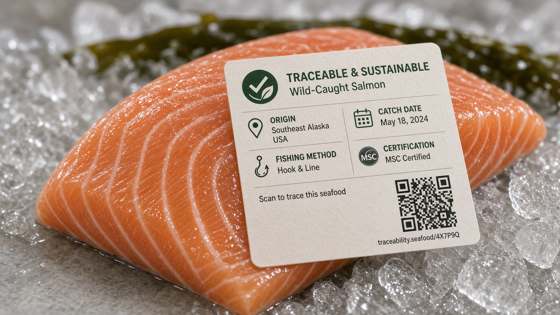
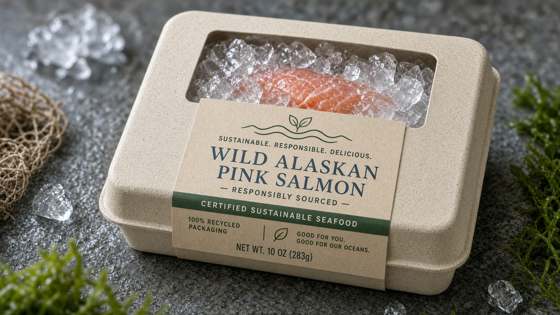
Read the labels on the products themselves. Look for species names, origin, catch or farm method and any certification mark. If a store says it sells only certified fish but the pack shows no label, ask staff. Our guide to reading seafood labels and certifications explains the marks you may see.
Ask about traceability
Good retailers can trace products back to a fishery or farm. The transparency in seafood supply chains article explains what to ask.
Where commitments fall short
Commitments sometimes exclude fresh counters, canned items or restaurants run by the same company. Targets may be missed or quietly revised. Certification itself is debated, with different groups holding different views of how strict each program is. For a neutral overview, read the FAO's work on fisheries and aquaculture and compare programs on their own websites.
Do retailers' sustainability commitments change what you pay?
Sometimes slightly, but certified products are not always more expensive, and bulk buying power can keep prices competitive. In practice, many shoppers find that the cheapest frozen and canned options include certified choices.
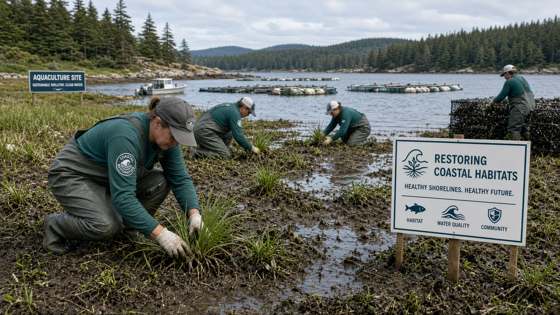
It also helps to know what retailers can realistically control. Buyers can set standards for suppliers, drop products from poorly managed fisheries, support improvement projects and demand traceability documents. They cannot, on their own, fix a stock that is depleted or an ocean that is warming. Commitments that include support for fishery improvement, described in fisheries improvement projects, can be a sign of long-term thinking rather than simple delisting of problem species.
Date matters too. A commitment made five years ago may have been updated or missed, so look for the latest progress report. If you cannot find one, treat the pledge as an intention rather than an achievement.
Making your shopping count
Treat retailers' sustainability commitments as a starting point rather than a guarantee. Buy products with visible, verifiable labels, tell the store when you would like more information, and favor shops that report progress honestly. A retailer that answers questions clearly is usually one that takes the promise seriously.