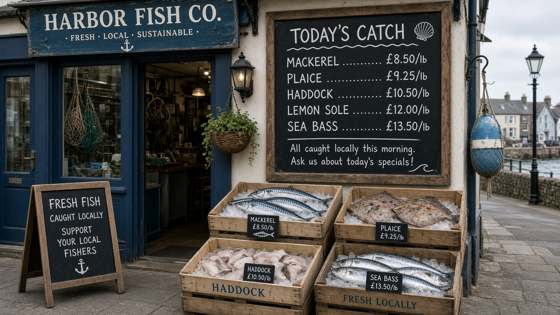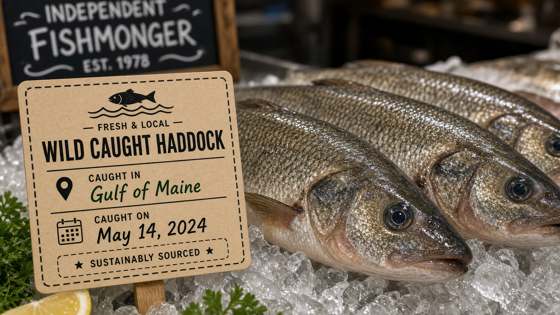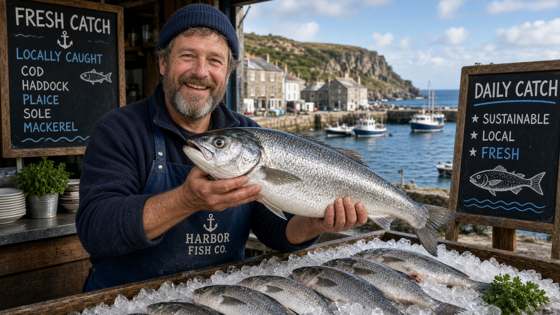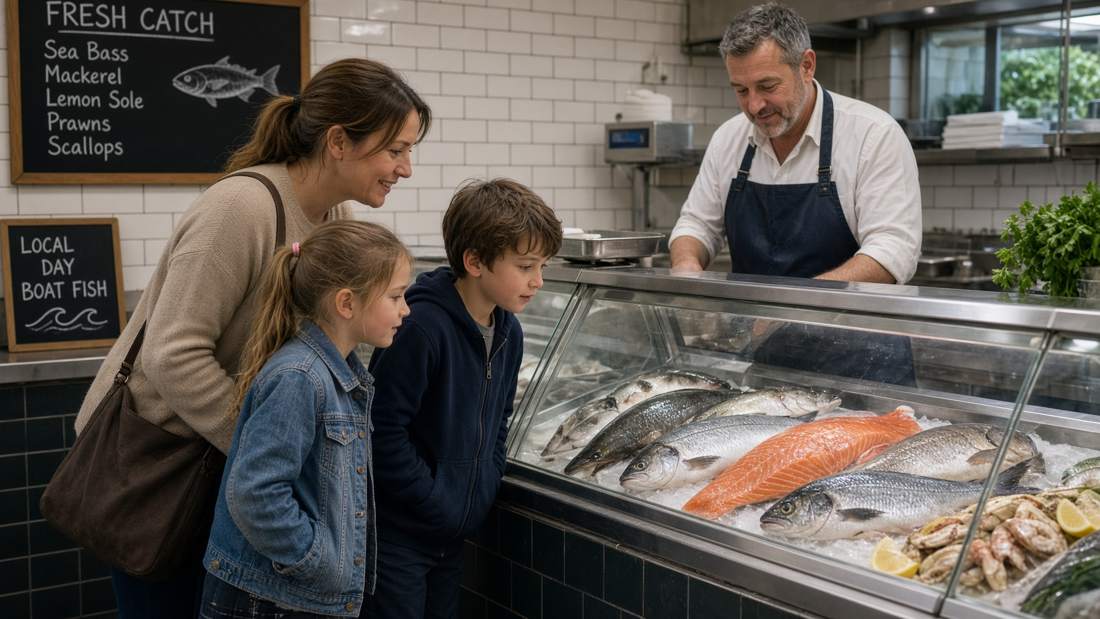
The economics of local seafood come down to a simple question: when you pay for a pound of fish, who gets paid for the work behind it? There is no single answer, because prices change with species, season, region and how many hands the fish passes through. This guide explains the pieces in general terms and does not claim any specific percentages, since those differ for every fish and every shop.
The main costs inside the economics of local seafood
The catch
Fishermen pay for fuel, bait or gear, insurance, boat maintenance, crew, permits and ice. Fishing can be unpredictable, so a good day has to cover the slow ones. Fishery rules, including limits that protect fish populations, shape how much can be caught, as explained in NOAA's overview of fisheries management in the United States.
Handling and cold storage
Seafood is highly perishable. Ice, refrigerated trucks and cold rooms add costs, and so does the labor to sort, clean and cut. Those costs exist whether you buy at a chain or a small shop.
The shop side of the economics of local seafood
Rent, utilities, refrigeration, staff, cutting, waste and licensing all come out of the price. A small shop sells less volume, so each pound usually has to carry more of the overhead. Waste is another factor: fish that does not sell has to be absorbed.
Why direct sales change the picture
When a boat or program sells directly, fewer parties share the price. A report in Planet Forward quotes the head of a community supported fishery in Port Orford, Oregon saying that selling directly cut out middlemen and raised the price fishermen received. That is one program's account, and results vary. Selling directly also adds work for the fishermen, such as marketing, packing and customer service.
Getting good value from local seafood
- Buy what is abundant. Fish in season and plentiful nearby tends to be a better buy than a prized rarity.
- Ask for the whole fish. You can often get more for your money if you have the shop fillet it and give you the bones for stock.
- Use the whole product. Collars, cheeks and trim cook well and are sometimes sold cheaply.
- Buy only what you will cook. Wasted fish is the most expensive fish.
- Compare per usable pound. A fillet and a whole fish are priced differently because of what you lose in trimming.
What higher prices can and cannot tell you
A higher price does not prove higher quality, and a lower one does not prove a problem. Judge the fish using the signs in the FDA's buying guide, and judge the shop by how it answers questions. For more on why independent shops can cost more, see why small fish markets often cost more and the community multiplier for what happens to local spending.
Understanding the economics of local seafood will not make fish cheap, but it will help you spot good value and know what your money supports. Look at the whole picture: freshness, service, sourcing and how much of what you buy actually gets eaten.