Seafood logistics for local sellers come down to one idea: keep the fish cold, move it quickly and handle it carefully, all in small quantities. Without the scale of a big distributor, small sellers rely on routines and relationships to do this, and understanding the steps helps you ask better questions.
The steps in local seafood logistics
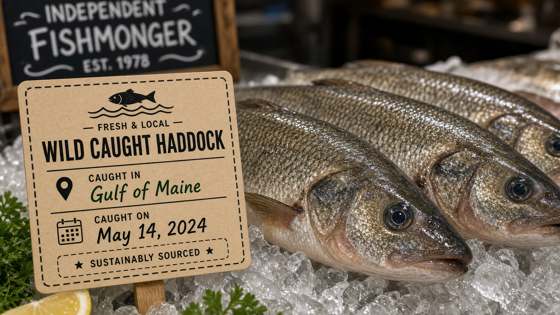
- On the boat. Catch is sorted and kept cold, usually on ice or in chilled water. How quickly this happens affects quality.
- At the dock. The catch is unloaded, weighed and sold to a dealer, shop or buyer.
- Transport. Fish moves to the shop in a cooler, refrigerated vehicle or iced container. With small volumes, a shop may collect from the dock itself.
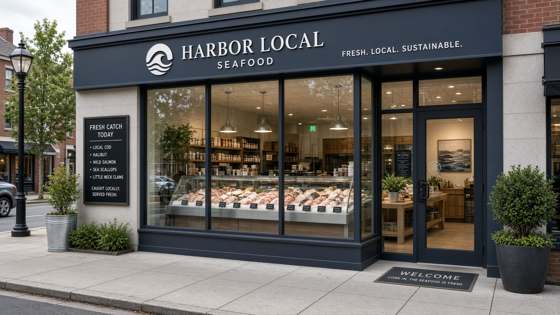
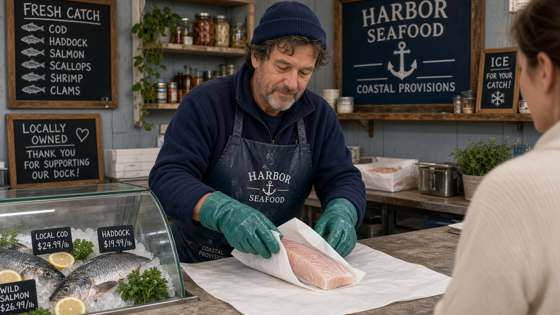
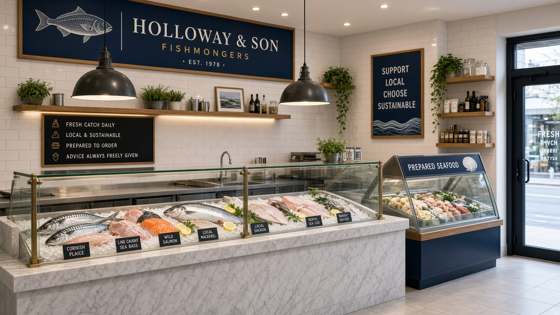
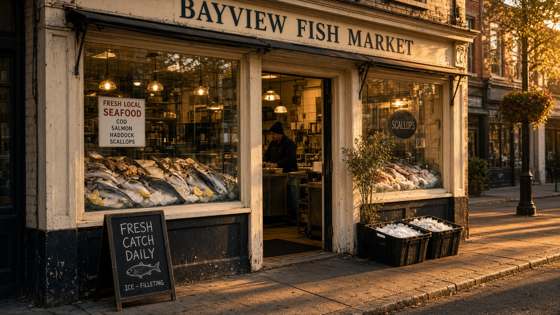
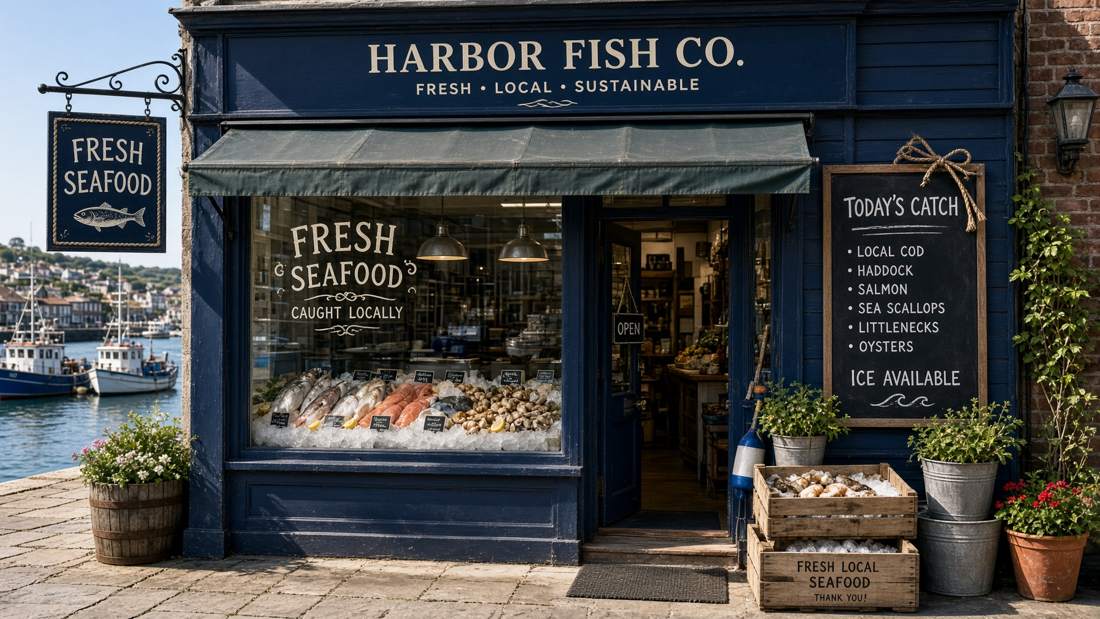
- At the shop. Fish is stored on ice or in refrigeration, cut to order and displayed.
- Your trip home. The cold chain continues in your cooler or bag.
Why small volume means high care
Seafood logistics: every handoff matters more
With fewer fish, one slip such as a warm hour in a truck can affect a large share of the shop's product. Good small shops tend to have clear routines for icing and storage.
Flexible, not standardized
Small sellers adjust daily: buying what landed, canceling an order when weather hits, changing prices. That flexibility is why variety changes week to week, and why a short route can be a quality advantage as discussed in the shorter supply chain.
Regulation and safety
Commercial seafood handlers are subject to food safety rules, including the FDA's seafood HACCP approach to hazard control. The agency provides guidance in its Seafood HACCP pages. As a shopper you do not need the details, but it is useful to know that handling requirements exist and that shops are expected to follow them. Check current rules if you are curious about a specific type of seller.
What you can do to help the cold chain
- Shop for seafood last on a trip, and take it home directly.
- Bring a cooler bag with ice packs, especially in warm weather.
- Put seafood in the refrigerator or freezer promptly. The FDA advises 40 F or below and use within 2 days for fresh seafood.
- Do not leave seafood out for more than 2 hours, or 1 hour above 90 F.
These steps are laid out in the FDA's consumer seafood guide.
A day in the life of a small shop's seafood logistics
A typical small shop's morning might start with picking up an iced delivery or collecting fish from a nearby dock, checking each box for temperature and condition, then rinsing, sorting and displaying the product on fresh ice. Orders for customers are cut and wrapped, trim is saved, and anything that will not be sold in time is frozen, turned into a prepared item or discarded, depending on its condition. At the end of the day, remaining fish is iced down or moved to refrigeration. None of this is glamorous, but each step protects quality. When a shop describes a routine like this without being asked, you are probably dealing with people who take handling seriously.
Questions to ask about logistics
- How often do you receive deliveries?
- How is the seafood transported?
- How long has this been in the case?
A shop with clear routines can answer quickly. More on talking to a shop is in the questions to ask your fishmonger.
Seafood logistics are mostly unseen, but they are the reason a fillet is good or poor by the time you cook it. Understand the steps, keep your own part of the chain cold and favor shops that can explain theirs.