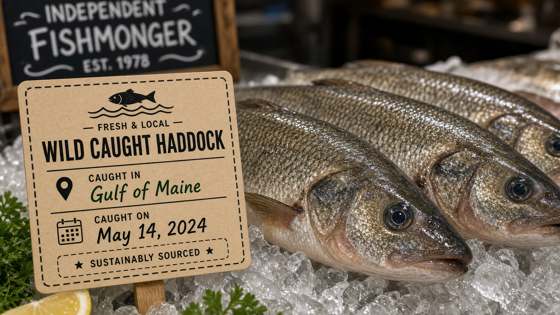
Direct-to-consumer seafood means buying from the fisherman, farm or small seller rather than through a store, usually through a website, a pre-order list or a pickup point. It can give you access to species you cannot find nearby, but because the product travels, you need to check how it is shipped and what to do when it arrives.
How direct-to-consumer seafood is sold
- Online stores run by fishermen or small companies, shipping frozen or fresh seafood in insulated boxes.
- Pre-order and pickup, where you order online and collect at a dock, market or drop-off point.
- Subscriptions, like community supported fisheries; see how CSFs work.
- Local delivery routes from a shop or boat to nearby addresses.
The Local Catch Network is one place to find community-based seafood sellers.
What to check before you order direct-to-consumer seafood
Direct-to-consumer seafood: shipping method and timing
Ask how the order is packed, how it travels and when it arrives. Seafood should arrive cold. Avoid ordering for delivery when nobody will be home to put it away.
Fresh or frozen
Frozen seafood is often the safer choice for shipping because it stays stable in transit. Fresh shipped seafood needs to arrive quickly and cold. Neither is better in every case.
Source information
A good seller will tell you the species, where it was caught or raised and how. See local seafood traceability for what to ask.
Returns and problems
Find the seller's policy for orders that arrive warm or damaged before you buy, and take photos if something is wrong.
What to do when your order arrives
- Open the box promptly and check that the seafood is cold. Frozen items should be hard, and the FDA advises against frozen seafood with signs of frost or ice crystals, which may mean it thawed and refroze.
- Put it in the refrigerator or freezer right away.
- Fresh seafood should be used within 2 days at 40 F or below, otherwise freeze it.
- Thaw frozen seafood in the refrigerator overnight, or in a sealed bag in cold water if you are in a hurry.
The FDA's guide to fresh and frozen seafood covers these steps in detail.
Comparing sellers before you order
Read the seller's website for the basics: species, origin, how it is frozen or chilled, minimum order and shipping days. Look for a phone number or email and send a question before you buy. A prompt, specific reply is a good sign. Compare the total price, including shipping, divided by the weight you will actually eat, so a heavily trimmed or shell-on product is measured fairly. Check whether the seller ships only on certain days, since fresh seafood should not sit in a carrier's warehouse over a weekend. If you are buying as a gift, confirm the recipient will be home and knows to refrigerate or freeze the box immediately.
Is direct-to-consumer seafood worth it?
Shipping adds cost, so compare the per-pound price including delivery with what you pay locally. The value is greatest for hard-to-find species or when you want to support a specific boat. For everyday buying, a nearby shop usually wins on freshness and price. See what a local fishmonger can add for the in-person alternative.
Direct-to-consumer seafood works best when you buy from a seller who is open about sourcing, packs well and answers questions. Start with a small order and judge the result before ordering more.