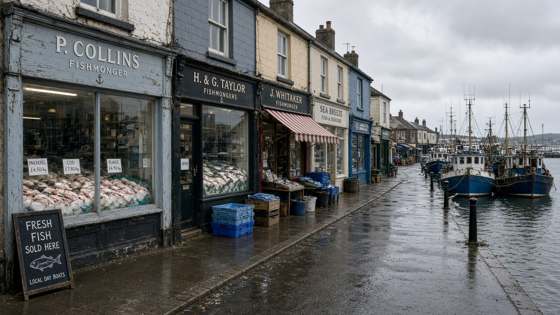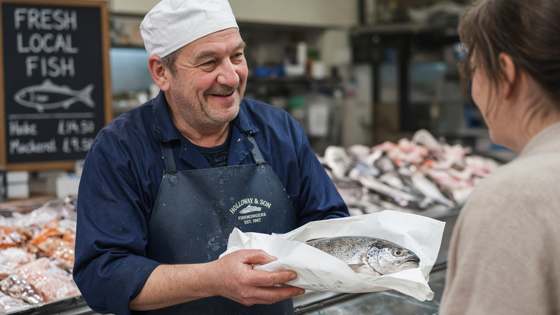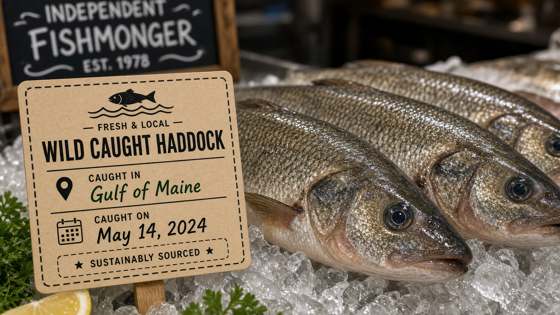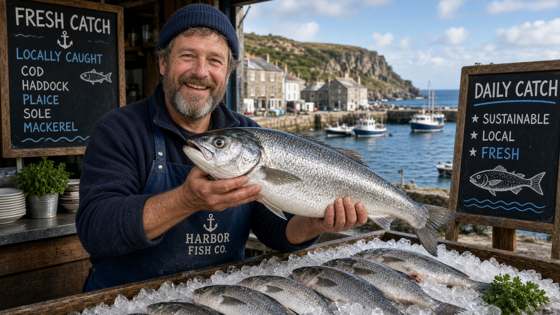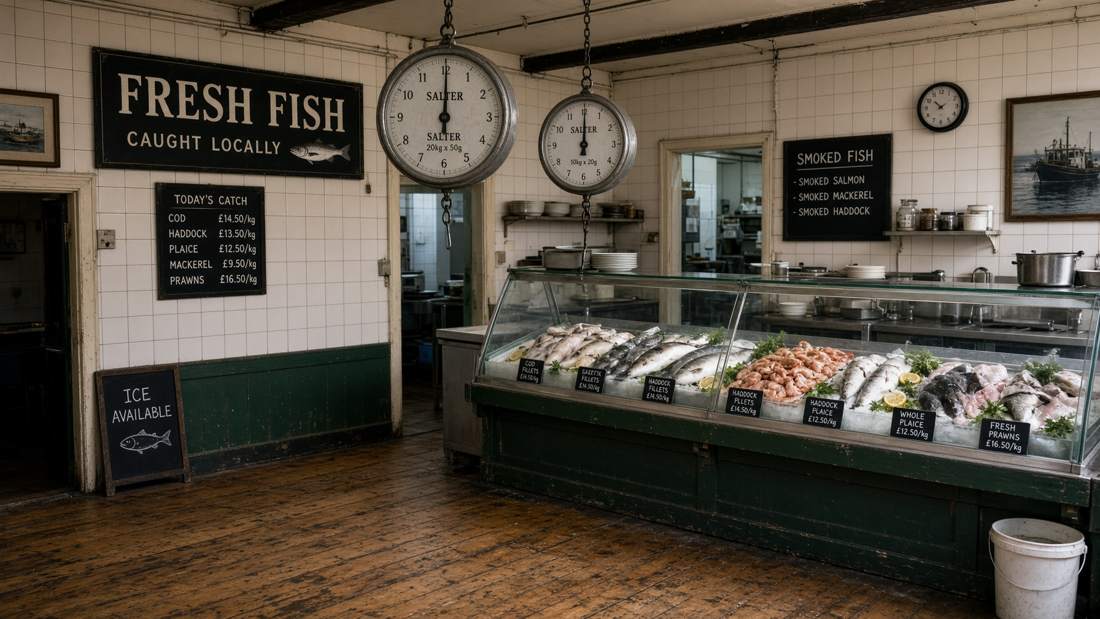
Ethical fish buying means weighing several things when you choose seafood: the health of the fish population, how the fish was caught or raised, how workers and communities are treated and how honest the seller is about all of it. No label covers everything, so local sellers who can answer your questions are a useful part of the picture.
What ethical fish buying can include
Healthy fish populations and ethical fish buying
U.S. fisheries are managed with catch limits and monitoring, as NOAA explains in its fisheries management overview. Species status and ratings differ, so look up what you buy on FishWatch or Seafood Watch.
Responsible methods
Fishing gear and farming practices affect habitat and bycatch. Ask how it was caught or raised.
People and communities
Many shoppers also care whether fishing families and coastal towns benefit; see the local seafood shop's role in coastal economies.
Honesty
Ethical buying depends on accurate information. That is the idea behind seafood traceability.
Questions to ask a seller
- What is the species, and what else is it called?
- Where and how was it caught or raised?
- Is it in season and plentiful locally?
- Can you tell me anything about the boat, farm or supplier?
- Is there a more abundant option that would work for my recipe?
A good seller will not mind these, and if they do not know an answer, a straight statement of that is a good sign. Ask the same questions at each shop and compare, which is the same habit that helps you judge any counter.
Where local sellers help with ethical fish buying
- They can tell you what is in season and abundant, which spreads demand.
- They may know the boats, the gear and the fishery.
- They can suggest alternatives to species with ratings that concern you.
- They are accountable to customers they see regularly.
Their limits are real: many small sellers are not certified, and some buy through distributors and know little more than a large store. How local sellers handle sustainability explains how to check their claims.
A simple approach to ethical fish buying
- Pick two or three questions, such as species, place and method, and ask them every time.
- Look up the answers on a free rating tool.
- Buy a variety of species, favoring abundant ones.
- Use certifications such as MSC for wild and ASC for farmed seafood as one input, without treating them as the only one.
- Reduce waste by buying what you will cook and using the whole fish.
What may change
Expect more sellers to provide origin and method details, and more shoppers to ask for them. How quickly that happens varies, and this article cannot predict specifics. Direct sales programs, like those described in how community supported fisheries work, show one direction. As always, check current ratings, since they are updated.
Ethical fish buying is a practice, not a label. Ask specific questions, check the answers and support sellers who make that easy; over time your choices will do more good than any single purchase.