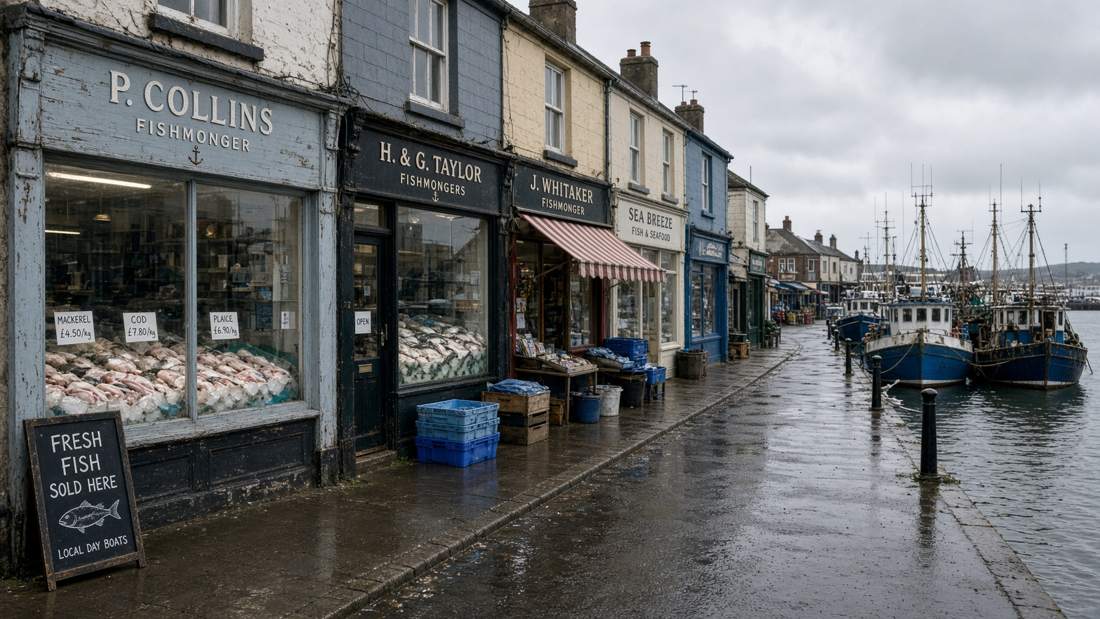
Local seafood sustainability often rests on a seller's word rather than a logo, because many small boats and shops are not certified by programs such as the Marine Stewardship Council. That does not mean their seafood is unsustainable, and it does not mean it is sustainable either. It means you need a few good questions and a few free tools to judge for yourself.
Why many small sellers lack certification logos
Third-party programs such as the Marine Stewardship Council for wild fisheries and the Aquaculture Stewardship Council for farms certify specific fisheries or farms that meet their standards, and a certified product carries a label. Certification involves assessments and paperwork, and small operations can find that effort hard to justify, particularly if they sell most of what they catch locally. Some small fisheries are certified, and many are not. Absence of a label tells you only that nobody has verified the product through that particular program.
What local seafood sustainability looks like instead
Rules behind local seafood sustainability
Marine fisheries in federal waters are managed under U.S. law with scientific monitoring, catch limits and regional oversight, as NOAA outlines in its overview of fisheries management. State agencies manage many nearshore fisheries. So a local product is not unregulated, though management quality varies by species and region.
Choices a seller can make
- Selling what is abundant and in season instead of overfished favorites.
- Using fishing methods with low bycatch, such as hook and line or traps, where appropriate.
- Selling whole fish and using trim, which reduces waste.
- Knowing the boat and the fishery and being open about it.
How to check local seafood sustainability yourself
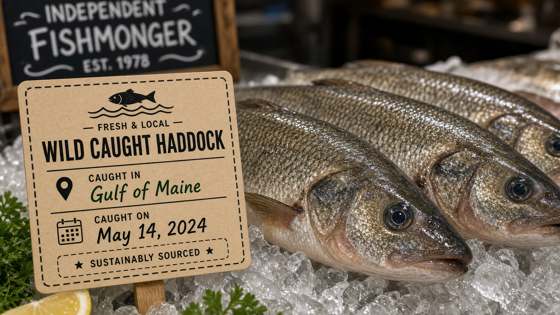
- Ask species, place and method. "Hook-and-line halibut from Alaska" says more than "fresh fish."
- Look up the species. Seafood Watch rates many species by region and method, and NOAA's FishWatch profiles report the population status of many U.S. stocks.
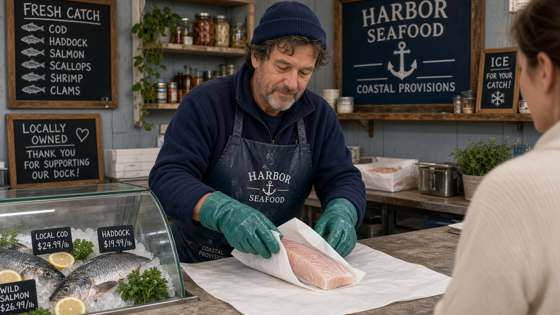
- Notice how the seller answers. Specific, consistent answers are encouraging. Vague claims like "all our fish is sustainable" with no details are worth a follow-up question.
- Mix up what you buy. Eating a variety of species spreads pressure across fisheries.
Ratings are not perfect and can change, and they may rate the same species differently by fishing method or region, so check the specifics rather than the species alone.
Red flags and green flags
Green flags include a seller who names the fishery, volunteers that a species is seasonal or limited and says when they do not know. Red flags include broad claims with nothing behind them, a refusal to say where something came from and a case that never changes in species or price even though catches do. One warning sign is not conclusive, but several together are a reason to look elsewhere. If you want a quick second opinion, look up the species and region on Seafood Watch while you stand at the counter; it takes under a minute on a phone.
Where certification helps
Certification can be helpful when you cannot talk to anyone about the product, such as when buying frozen seafood in a bag. When you can talk to the seller, their knowledge is an additional layer. Both are useful, as discussed in local seafood traceability. If you want to see how a seller's reputation develops without labels, read the trust factor, and for the larger picture see the future of ethical fish buying.
Local seafood sustainability is something you can investigate in a few minutes at the counter. Ask what, where and how, look up the answer and favor sellers who give clear details and let you verify them.