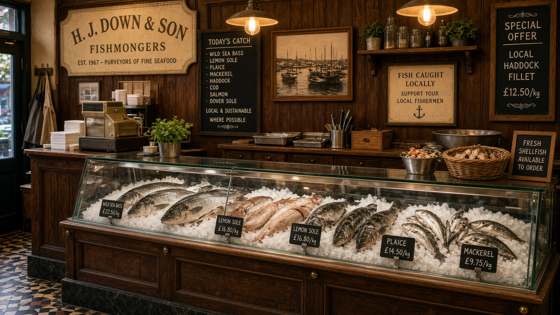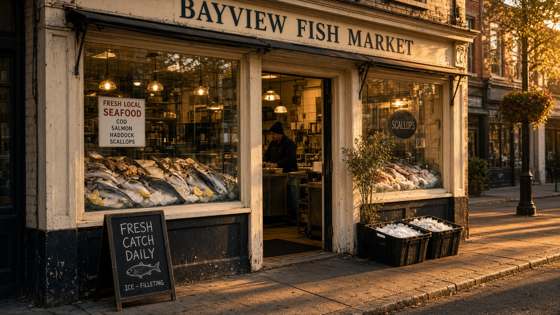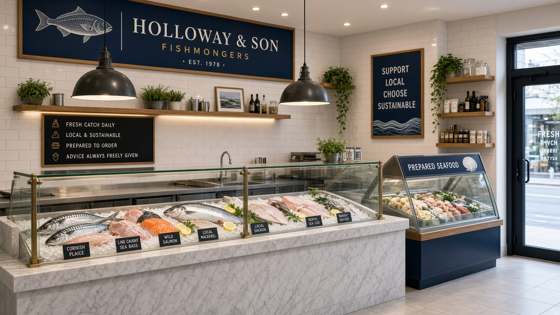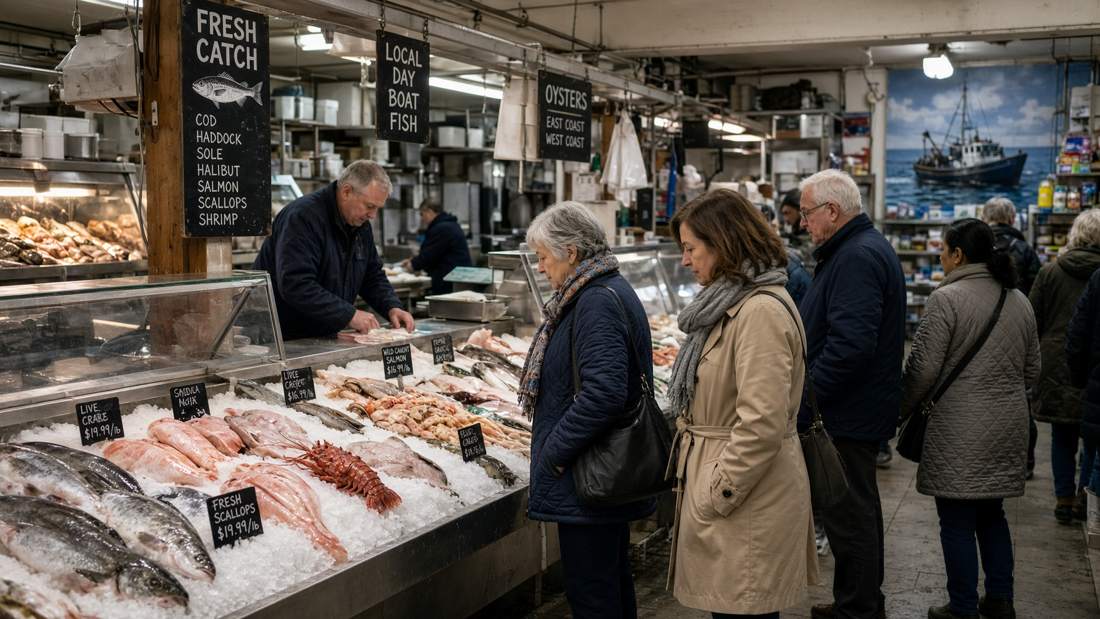
Trust in a fish shop is built from small, repeated experiences: fish that is as good as promised, honest answers and a shop that admits when something is not at its best. Buying seafood requires more trust than most groceries, since you cannot easily judge freshness or origin yourself, which is why many shoppers find a favorite shop and stay.
What builds trust in a fish shop
- Consistent quality. The fish is good week after week.
- Honest answers. "That came in two days ago, I would cook it tonight," builds more trust than "it is all fresh."
- Willingness to say no. A shop that tells you to skip something that is not good enough is protecting its reputation, and your dinner.
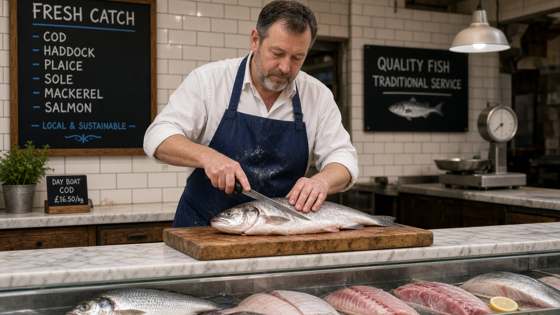
- Memory and service. Remembering what you like and cutting to order.
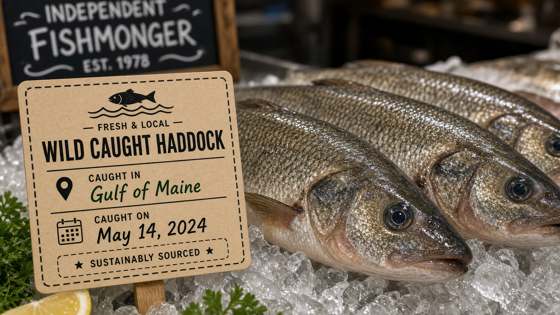
- Transparency. Open about sourcing, as in the story behind the label.
Why trust matters more for seafood
Quality is hard to see, and mistakes can be costly. The FDA notes that color alone is not an indicator of freshness and that people at higher risk, including pregnant women, young children, older adults and those with weakened immune systems, should take extra care with seafood. When you buy from someone you trust, you rely on their judgment as well as your own. Read the FDA's selecting guidance so you can verify what you are told.
How to test whether your trust in a fish shop is deserved
Keep checking, even with trust in a fish shop
Trust is not a reason to stop looking. A fresh, mild smell, firm flesh and clear eyes on whole fish are worth checking at every visit.
Ask a question you know the answer to
Ask about a species you have researched on FishWatch, and see whether the answer is accurate and honest.
Notice how problems are handled
If you bring back a bad purchase, does the shop listen and make it right? That says more than a perfect day.
Compare occasionally
Try another counter now and then. The comparison either confirms your loyalty or shows you a better option. See the freshness test.
Why regulars rarely switch
Switching has real costs for a shopper. A new shop means new staff to learn, new quality to test and no history of favors or fair treatment. When your current shop is consistently good, the chance of finding something better is small compared with the risk of finding something worse, so staying is a rational choice. There is also a social side: people enjoy being recognized, and a shop that remembers your name and your favorite fish gives you a reason to return that has nothing to do with price. This does not mean regulars never leave. A single bad incident handled poorly, or a drop in quality, can end loyalty quickly.
Building mutual trust
Trust runs both ways. Pay on time, pick up orders when promised, give honest feedback and tell the shop when something was great. See building a relationship with your fishmonger for specifics.
Signs to move on
- Repeated poor quality.
- Vague or changing answers about sourcing.
- Pressure to buy items you did not ask for.
- Reluctance to let you look or ask.
Loyalty is earned, not owed. Trust in a fish shop is a practical advantage because it saves time, reduces mistakes and gets you better advice, as long as you keep checking and the shop keeps delivering.