Port Orford seafood is a useful case study in how a small fishing town can organize to sell its own catch directly to customers. The town on Oregon's south coast is home to Port Orford Sustainable Seafood, a community supported fishery that began in 2009. This article sticks to what published reports say and notes where details are dated.
How Port Orford seafood sales began
According to a January 2017 report by Planet Forward, the Port Orford Ocean Resource Team, a small nonprofit working on community-led solutions for the port, launched the Port Orford CSF in 2009. The same report says the town had gone about 30 years without local retail access to its own fish, and that the program grew out of an effort to sell member fishermen's catch directly to customers. It describes the fleet as using hook-and-line gear and quotes CEO Aaron Longton on traceability.
Those figures are from 2017, so treat them as history. Membership, prices and operations may have changed, and you should check the organization's current information if you want to buy.
Redfish Rocks and why it matters to shoppers
The same report notes that Redfish Rocks, a marine reserve near Port Orford, is the only one of Oregon's nine marine reserves that local fishermen planned, sited and proposed, and that a community stakeholder team manages it. For a shopper, the point is not the policy details but the pattern: a community that has a say in how its waters are managed is also a community with a stake in selling the catch well.
What Port Orford seafood teaches about buying local
Port Orford seafood sells with the story on the label
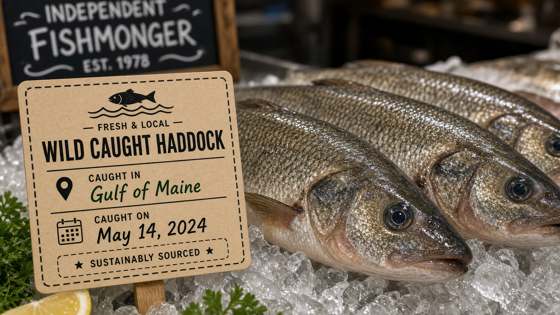
The program connects customers to the people who caught the fish and provides information on each species. That is the type of detail you can look for from any seller, as described in the story behind the label.
Infrastructure matters
A 2026 report from OPB says the Port of Port Orford is working toward becoming a South Coast seafood hub and is planning a $500,000 seawater system funded by Business Oregon to supply the dock for live seafood. The report says buyers currently lower their own pumps into the ocean to fill tanks, and that the system is hoped to be operating by summer 2027. These are plans, not completed projects.
Community programs take many forms
Port Orford is one model among many. To understand how others work, see community supported fisheries explained, and for the economics behind selling direct, read where your money actually goes.
How to buy from a program like this
- Visit the program's current website to see how it sells: shares, online orders, markets or pickup points.
- Ask what species are available now and when they were caught.
- Check delivery and pickup options for your area.
- Use the Local Catch Network to find programs near you.
Port Orford seafood shows what can happen when fishermen and neighbors build a way to sell their own seafood. Whether you ever buy from that town, you can take the lesson home: ask who caught your fish, how it was handled and what the seller does to keep the money in the community.