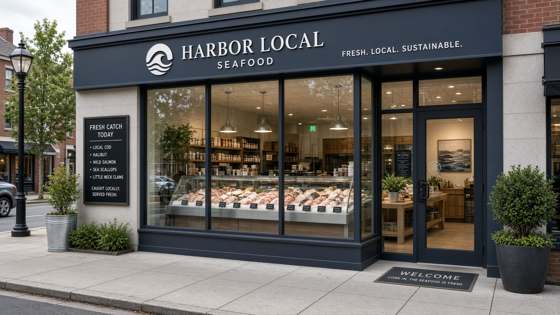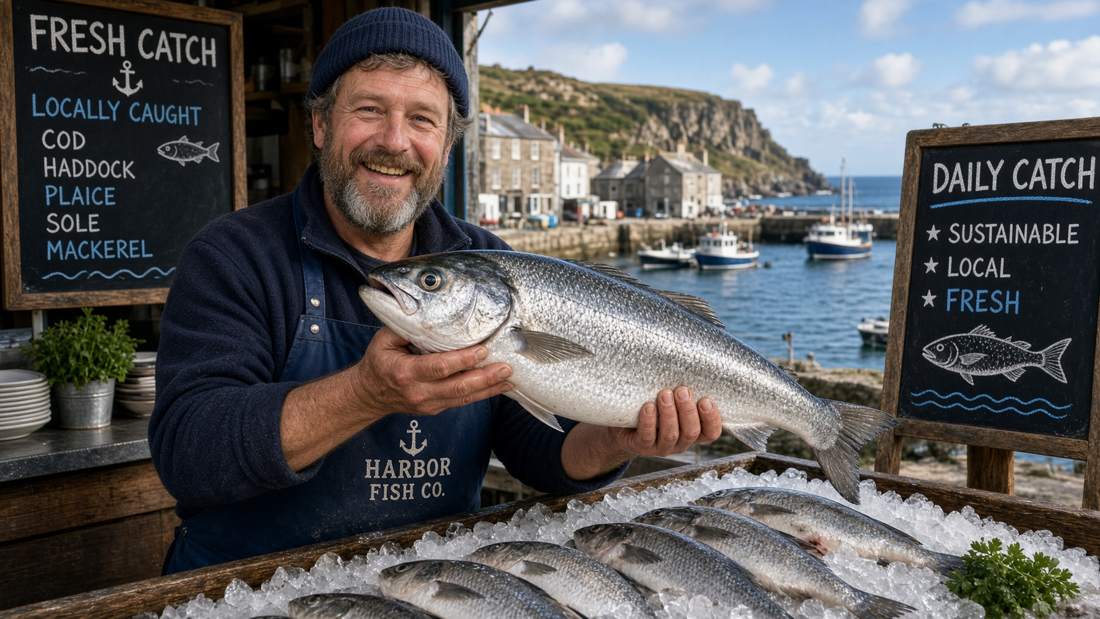
A fishing cooperative is a business owned and run by its members, who are usually fishermen, and they pool their catch to sell, process or market it together. When your local fish shop sources from a cooperative, it means the seafood came through a group of harvesters instead of a single boat or a large distributor. This guide covers the general idea, because every cooperative runs differently.
What a fishing cooperative does
Cooperatives vary, but typical roles include:
- Collecting catch from member boats at a shared dock or facility.
- Sorting, icing, storing or processing seafood.
- Marketing and selling to shops, restaurants and sometimes directly to the public.
- Sharing equipment and costs, so small boats can compete.
Some community supported fisheries are organized as cooperatives or by community groups, and the 2016 Marine Policy study of 22 North American CSFs found that programs differ in goals and structure. Read each program's own description rather than assuming.
What it means for you when a shop buys from a cooperative
Freshness and handling in a fishing cooperative
A cooperative with a good dock and cold storage can keep catch cold and consistent, which helps quality. A shop that buys from one may get fish from several boats on the same day. As always, check the fish yourself against the signs in the FDA's selecting seafood guidance.
Traceability
A cooperative may be able to tell the shop which boats landed a product, or at least the area and gear type. Ask the shop what information it receives; local seafood traceability lists questions worth asking.
Price
Cooperatives aim to return more of the sale to members, though that does not necessarily lower your price. The total price still reflects fuel, labor, ice, handling and the shop's own costs.
Variety and consistency
Pooling can mean a steadier supply of certain species and more consistent sizes, which is useful for a shop that wants to keep regular customers satisfied.
Questions to ask the shop about a cooperative
- Which cooperative do you buy from, and where is it?
- Which species and gear types does it handle?
- How long does it take from landing to your case?
- Do you also buy from individual boats?
Answers help you see how the supply chain fits together; see the shorter supply chain for context.
How a cooperative differs from other suppliers
A distributor is a business that buys from many sources and resells to shops and restaurants, often over a wide area. A cooperative is owned by the harvesters who sell through it, so decisions about handling and pricing rest with them. In practice the two can look similar from the shop's side, since both deliver seafood on a schedule. The difference shows up in how much the shop can learn about the people behind the fish. If a cooperative posts information about its members or landings, a good shop will pass it along to you, and many shops enjoy telling that story.
Keep an open mind
Sourcing from a cooperative is not a guarantee of anything, and it is not a drawback either. It is another way local seafood reaches your shop. Look up the species on Seafood Watch if you want to check the rating for that fishery.
When your shop buys from a fishing cooperative, you are buying from a group of harvesters that pooled their resources. Ask a few questions, check the fish and judge the shop by what ends up on your plate.