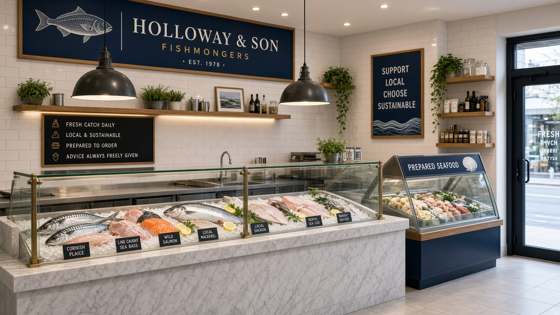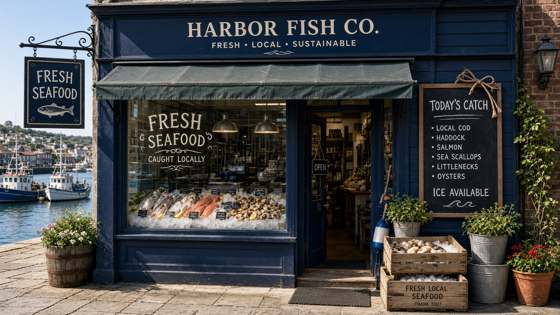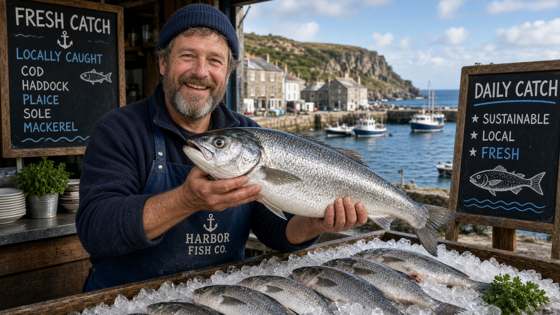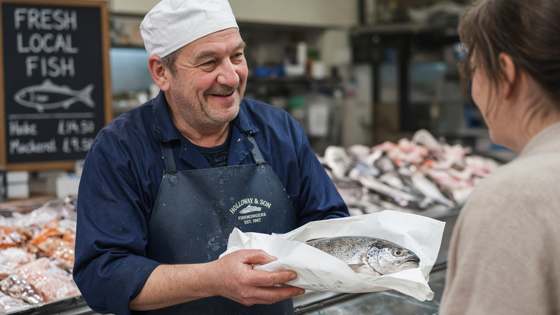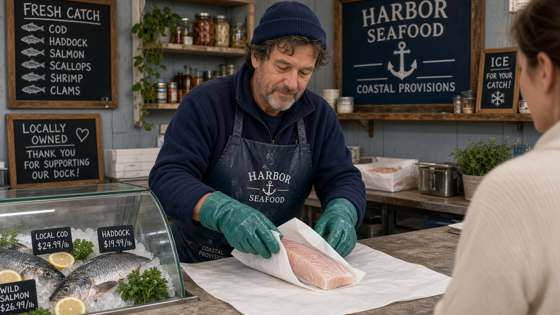
Dockside seafood sales work like a farm stand: the seller sets up near the water, shows what came in and takes your order on the spot. The format is growing alongside community supported fisheries, farmers markets and online pre-orders, giving shoppers more ways to buy fish from the people who catch or farm it.
Where dockside seafood and direct retail show up
- Dockside sales. Boats sell from the dock at set times. Rules vary by state and port, so look for posted schedules.
- Farmers markets. Some markets include fishermen or seafood farms. The USDA's local and regional food resources cover direct-to-consumer markets in general.
- Pickup points and subscriptions. Community supported fisheries often use drop-off locations; see how CSFs work.
- Pre-order and delivery. Some sellers take orders online and deliver locally, as discussed in direct-to-consumer seafood.
What makes dockside seafood retail different
Dockside seafood: you talk to the person who caught it
That is the biggest draw. You can ask about the trip, the gear and how the fish was handled, and the answers are first-hand.
Limited choice
You get what was landed. If the weather was bad or the catch was poor, there may be little. See why variety changes week to week.
Minimal prep
Whole fish and live shellfish are common. Ask whether the seller will gut or clean the fish, or take it to a shop that fillets.
How to shop dockside seafood safely
- Bring a cooler with ice and put seafood in it immediately.
- Check the fish: clear shiny eyes, red gills, fresh mild smell and firm flesh, as the FDA's selecting guidance describes.
- For live shellfish, look for tags on sacks or containers and ask to see them. Discard clams, oysters or mussels with cracked shells or that do not close when tapped.
- Go home directly. Refrigerate at 40 F or below and use fresh seafood within 2 days, or freeze it.
Is the seller permitted?
Rules for selling seafood directly to the public vary by state, and shellfish is subject to additional controls. If you are unsure, ask whether the seller is licensed and where the seafood was harvested, or check with your state fisheries or health agency. Sellers who are properly set up are usually glad to explain.
A sample dockside trip
Check the seller's posted schedule, arrive early because popular items sell out and bring small bills. Look over what is on offer before you buy, ask what was caught that morning and what the seller would cook, then buy a little more than you need if you plan to freeze some. Have your cooler open and ready so the fish goes straight on ice. If you buy whole fish and want fillets, ask whether a nearby shop will cut them for you, or whether the seller can do it. Cleaning fish in a parking lot is rarely practical, and cooked results are better when the fish is cleaned properly and kept cold throughout.
Price and value
Direct sales can be a better deal for the fisherman and sometimes for you, but they are not guaranteed to be cheaper than a store. You are paying for freshness and a direct connection. For more on the cost side, see the economics of local seafood.
Dockside seafood and direct retail reward shoppers who plan ahead: bring ice, ask questions and cook what you buy soon. Do that and a trip to the dock becomes one of the simplest ways to get seafood with a known story.