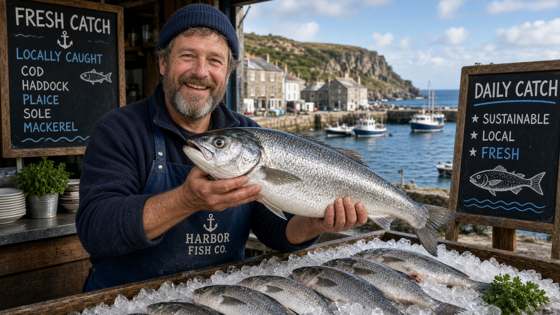
Buying seafood from the boat is straightforward once you know the routine: you show up at the posted time, bring a cooler with ice, and pay the person who caught it. The experience is a good one for shoppers who want to ask questions face to face, but the details vary by harbor, state and boat, so confirm the basics before you drive out.
Is buying seafood from the boat allowed where you live?
Rules about selling directly off a boat differ by state and sometimes by port. Some places require the seller to hold specific licenses, and some limit what can be sold directly to the public. Look for a posted schedule, a social media page or a harbor office listing before you go, and treat any seller who cannot say how they are permitted to sell with some caution. If you are unsure, call the harbor or your state fisheries agency and ask.
What to bring
- A hard cooler and plenty of ice or frozen gel packs. Fish should stay cold from the moment you buy it.
- Cash in smaller bills. Many boat sellers accept cash or phone payment apps but not cards, though some do take cards.
- Towels and a bag for drips, so your car stays clean.
- A list of questions, such as what was caught, when and how.
How buying seafood from the boat differs from a shop
Selection is limited and unpredictable
A boat has whatever it caught. If the weather was rough or the fish were scarce, there may be little or nothing. That variability is part of why variety changes week to week at small shops as well.
Fish may be whole
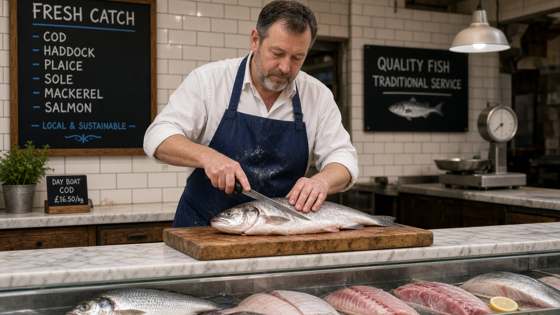
Many boats sell whole fish, whole crabs or live shellfish, and cutting is up to you. If you are not comfortable filleting, ask whether the seller will clean it, or plan to take a whole fish to a shop that does it. See in-house filleting for what that service involves.
Prices when buying seafood from the boat
The seller is keeping more of the sale, which is a major reason people like buying this way. That does not automatically make the price lower than a store's, since boats sell small quantities and fuel and labor are real costs. You are paying for the freshness and the connection.
Judging quality on the dock
The same basics apply anywhere. The FDA advises that fish should smell fresh and mild, whole fish should have clear, shiny eyes and red gills, and live clams, oysters and mussels should close when tapped. Live crabs and lobsters should show some leg movement. Read the FDA's selecting seafood guidance before you go. For shellfish, tags on sacks of live shellfish carry the harvester and certification information that the Interstate Shellfish Sanitation Conference program is built around, so ask about them if you are buying in volume.
Getting it home safely
Put the seafood on ice right away, keep the cooler out of a hot trunk and go home directly. At home, refrigerate fish at 40 F or below and plan to use it within 2 days, or freeze it. If you buy the same boat's catch regularly, that routine is a simple version of what a CSF box formalizes through subscriptions.
Buying seafood from the boat rewards preparation: check local rules, bring cold storage, ask about the catch and cook it soon. Do those four things and you will get some of the freshest seafood available, along with a clear idea of who caught it.