The price at a small fish shop reflects the cost of buying in small quantities, keeping fish cold, losing weight to trimming and selling a perishable product before it spoils. Understanding that helps you tell when a higher price buys real value and when it does not.
What goes into the price at a small fish shop
- Buying smaller amounts: small shops buy fewer cases than big chains, so their cost per pound is often higher.
- Refrigeration and ice: keeping fish at the right temperature costs money for equipment, power and ice.
- Trim and waste: filleting loses weight to bones, skin and heads, and unsold fish can spoil. See how to cut seafood waste.
- Labor and skill: filleting, shucking and advice take time.
- Rent and licensing: a storefront has fixed costs.
Our article on the economics of local seafood explains where your money goes in more detail.
What you get for the difference
Small fish shop: freshness and choice
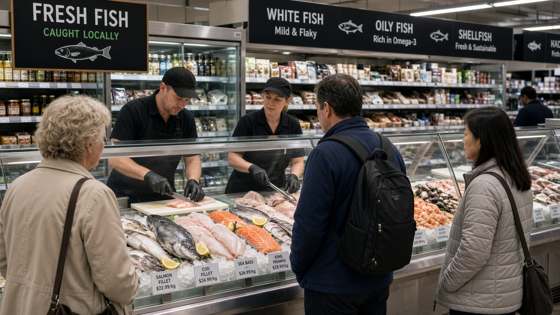
Many small shops buy from nearby boats or short supply chains, so fish can arrive fresher. They may stock species that big stores do not carry. See the shorter supply chain.
Services and advice
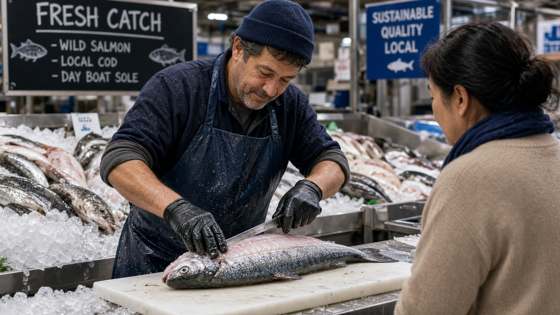
Free filleting, shucking, pin-boning, cooking tips and special orders have real value, especially if you would otherwise buy more than you need or waste fish.
How to find value at a small fish shop
- Ask what is in good supply today; abundant fish costs less.
- Buy whole fish and have it filleted, then ask for the bones for stock.
- Try lesser-known species. NOAA FishWatch profiles many of them.
- Buy only what you will use; waste is the biggest hidden cost.
- Ask about frozen portions or specials for regulars.
When a cheaper option makes sense
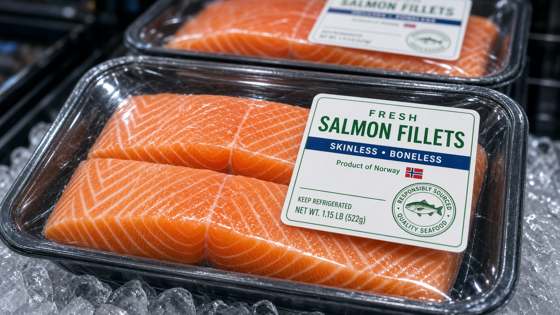
A supermarket or club store can be the better choice for staples, frozen packs and tins. Compare unit prices with our guide on how to compare seafood prices. Use the small shop where freshness, advice or hard-to-find items matter most.
Judging whether the price is fair
Check the fish: clear eyes on whole fish, firm moist flesh, clean smell. Ask when it arrived. The FDA's shopping guidance explains what freshness looks like. If the quality is high and the staff are helpful, a slightly higher price is usually reasonable.
A worked example of the markup
Suppose a shop pays a set price per pound for whole fish and sells fillets. A whole fish can lose roughly half its weight once the head, frame, skin and trim are removed, though the loss varies a lot by species. So a fillet price has to cover the weight that never reaches your bag. This is why a whole fish looks cheaper per pound than the fillet from the same animal, and why a fillet that looks pricey may be fair. Ask the counter for the yield if you are curious; a good fishmonger knows.
Specials, trim and day-old fish
Small shops often turn trim into chowder bases, fish cakes or cheaper "cook today" bags. If the shop marks fish down, ask whether it arrived that morning or a few days ago, and plan to cook it the same day. Raw fish is best kept in the refrigerator for only a day or two, so a bargain only helps if you cook it quickly.
Mistakes shoppers make at the fish counter
- Comparing a fillet price with a whole-fish price without allowing for waste.
- Buying a big piece "while it is cheap" and letting half of it spoil.
- Skipping the free services such as skinning, pin-boning or cutting into portions.
- Assuming the dearest fish is the best; many cheaper species cook beautifully.
- Never asking questions. Shops that know their fish enjoy being asked.
Questions to ask before you pay
- What came in today, and what is best value this week?
- Was this fish previously frozen, and where was it caught or farmed?
- Can you portion it for two people, or fillet and bag the bones?
- Do you take pre-orders or offer a loyalty price?
Frequently asked questions
Is the supermarket always cheaper?
Not always. Supermarkets can undercut on common items, but they may not have the species you want, and a shop that fillets to order can save you money on waste.
Should I pay more for something unusual?
Only if you will enjoy it. Lesser-known species are often good value, but a rare fish at a premium is a treat, not a necessity.
The price at a small fish shop pays for cold storage, skilled labor and shorter supply chains, and you get the most out of it by buying what is plentiful, using the services and wasting nothing.