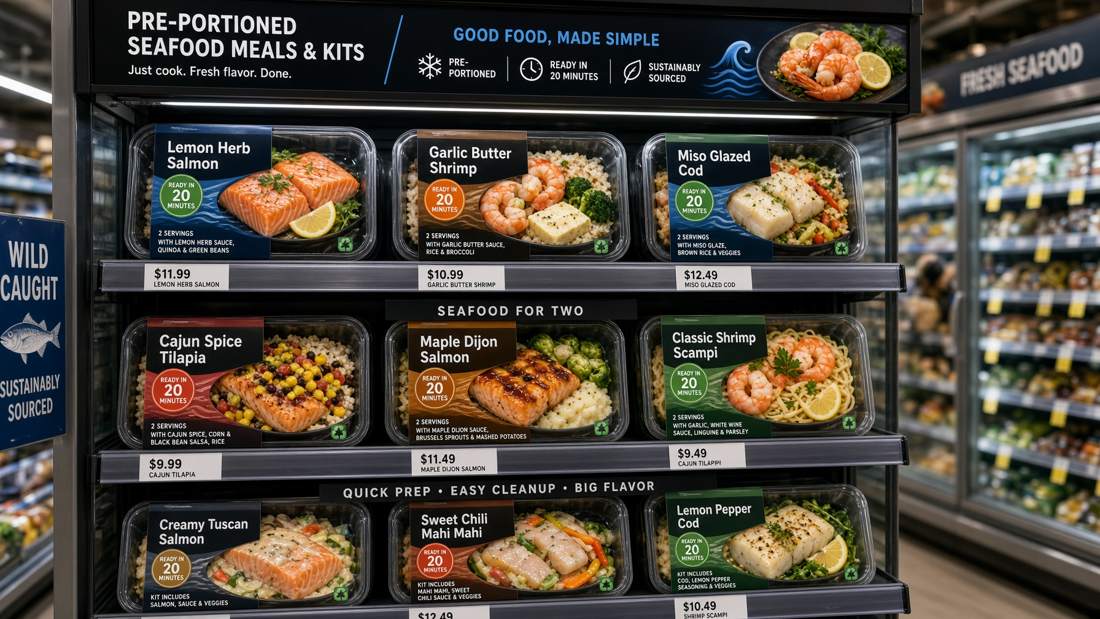
Seafood meal kits deliver portioned fish or shellfish with sauces, spices and sometimes sides, so dinner is a short recipe card away. They are worth it if you struggle to buy or cook fish confidently, and less so if you already shop well and cook often.
What comes in a seafood meal kit
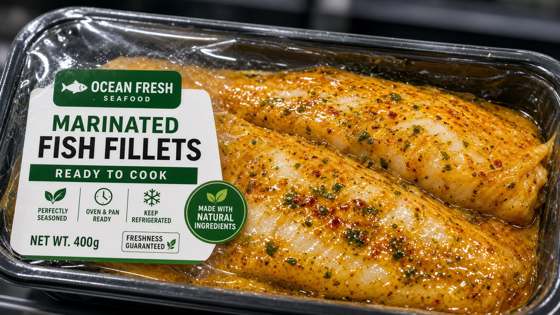
Most kits include individually wrapped portions of fish, shrimp or scallops, often frozen to hold quality during shipping, plus a recipe card and pre-measured seasonings. Some add fresh vegetables or grains, and some arrive as a single item with a glaze. Packaging is insulated with ice packs, and you should unpack promptly.
How to judge seafood meal kits
Seafood meal kits: price per serving versus buying yourself
Divide the kit price by the number of servings, then compare it with the cost of the same fish bought at your local counter plus a few pantry items. Kits usually cost more, because you are paying for portioning, packaging and delivery. The question is whether that convenience is worth it to you, and whether you would otherwise throw food away.
Check species, origin and handling
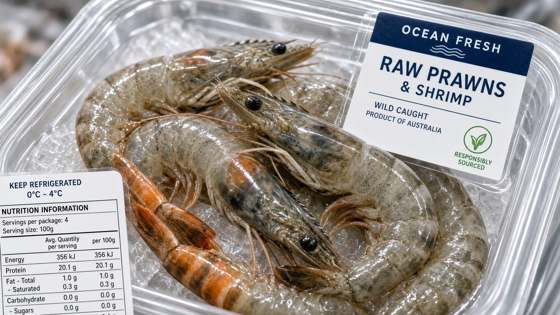
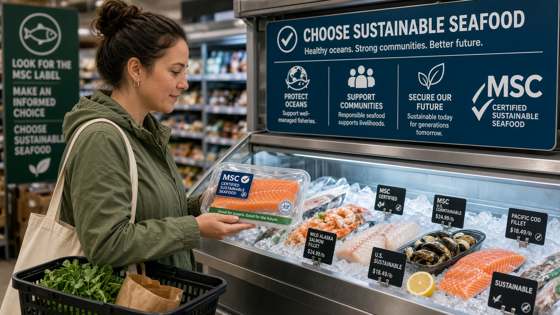
A good kit names the species (for example, wild Alaska salmon, not just "salmon"), the portion weight and whether the fish is farmed or wild. Look for certification marks from programs such as the Marine Stewardship Council or Aquaculture Stewardship Council if sourcing matters to you, and see reading seafood labels and certifications for what the marks mean.
Freshness and safety on arrival
Frozen fish should arrive solid, or at least very cold. If a box is warm and the fish is thawed soft, contact the seller. Follow thawing directions; thawing seafood safely explains the safe methods, and the FDA's seafood selection and serving guidance covers when to discard. Do not leave a box on a hot porch.
Who gets the most from a kit
- New cooks who want to try fish without wasting an expensive fillet.
- Households that eat fish only once or twice a month and cannot buy it fresh locally.
- People who want a guided recipe for a technique, such as cooking scallops.
Ways to keep the cost down
Watch for add-ons that raise the bill, such as premium species upgrades or extra sides you do not need. A kit that lets you choose only the fish and sauce, without sides, often has a better price per serving, and you can pair it with rice or vegetables from your own kitchen.
Look for flexible plans that let you skip weeks or cancel without a call, check how shipping is charged, and use a starter offer to test one kit before committing. If you like the recipes, you can recreate them yourself using fish from a local counter and ideas from our guide to subscription seafood boxes, which covers what regular deliveries usually include.
Seafood meal kits are a fair trade of money for ease; try one, compare the per-serving cost with your usual shop, and keep the habit only if it gets more fish onto your table than you would otherwise cook.