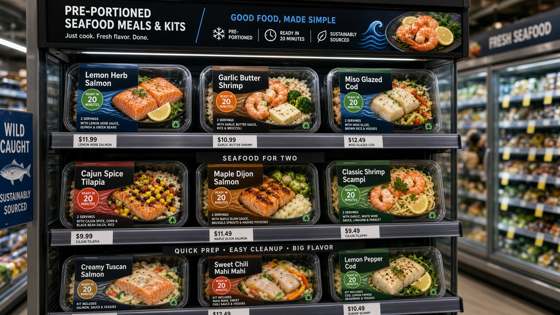
Value-added seafood products are anything that has been prepared beyond the basic fillet or whole fish: smoked salmon, marinated shrimp skewers, crab cakes, fish pies, breaded fillets, chowder bases and seasoned ready-to-cook portions. They save time and can be delicious, but they also cost more per pound, so it helps to know what you are paying for.
What you pay for with value-added seafood products
The extra price covers labor, ingredients, packaging and often a longer shelf life. In some cases it also covers a way of using less valuable cuts or trimmings, which is a perfectly good practice. A crab cake, for example, might use crab meat plus binder and seasonings. A quality product says clearly how much of the item is seafood.
Read the ingredient list first
For value-added seafood products, the ingredients tell most of the story. The seafood should be listed near the top and named by species. A fish pie that lists potato, sauce and cream well before fish is mostly something else. Breaded products may contain a significant amount of coating. Compare the seafood content if the label gives it, and compare price per pound of seafood rather than per pack.
Allergens in value-added seafood products
Labels in many countries list major allergens, including fish, crustacean shellfish, milk, wheat and eggs. If anyone in your household has an allergy, read the whole label every time, since recipes can change.
Smoked, cured and marinated products
- Smoked fish. Hot-smoked fish is cooked and flaky. Cold-smoked fish, like lox-style salmon, is cured and sliced. Both need refrigeration and have set use-by dates. See smoked fish storage guidelines.
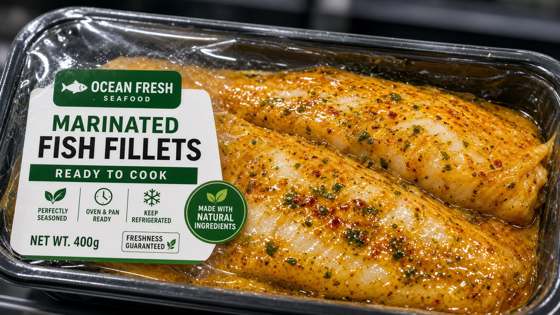
- Marinated fish and shrimp. Check whether the product is raw or cooked, and follow the cooking directions. Strong marinades can mask poor quality, so buy from a seller you trust.
- Cured and pickled fish. These keep for longer but still carry date and storage instructions.
Ready-to-cook and breaded items
Frozen breaded fillets and fish sticks are convenient and often inexpensive. Look for whole-fillet products rather than formed pieces if you want a more fish-forward meal. Crab cakes and fish cakes vary a lot: the best list the fish first and use little filler.
Is it worth the extra?
- Time saved. If you would not otherwise cook fish on a busy night, a ready portion may be the better choice.
- Skill and equipment. Smoking and curing at home needs equipment and care. Buying good smoked fish is easier.
- Waste. Prepared products can reduce waste if you only need one portion.
- Cost per serving. Compare with cooking from plain fish. A simple seasoned fillet is often cheaper and just as quick.
Safety and storage
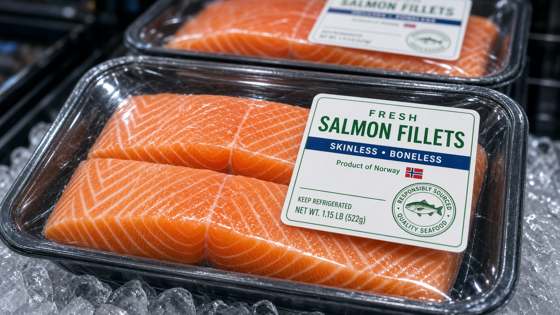
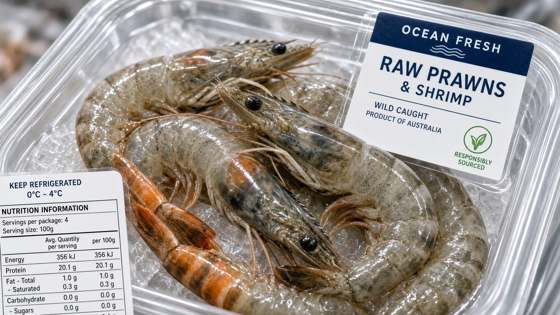
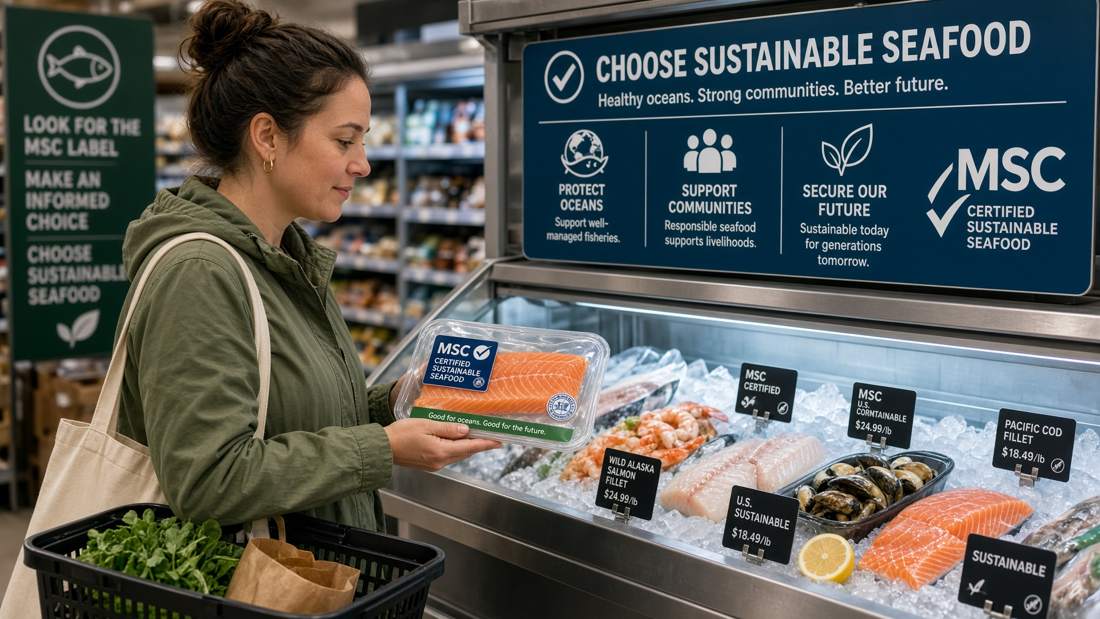
Follow the package instructions for storage and cooking, and note use-by dates. Do not leave refrigerated seafood products out for long, and cook items labeled raw to the temperatures recommended by the FDA. Sustainability labels such as the Marine Stewardship Council can appear on prepared products too. For where these products fit in the wider picture, see direct-to-consumer seafood sales, where many small makers sell their goods.
Value-added seafood products are at their best when you know what is in them and what they save you. Read the ingredients, compare the price per pound of seafood, and treat them as a convenience you choose on purpose.