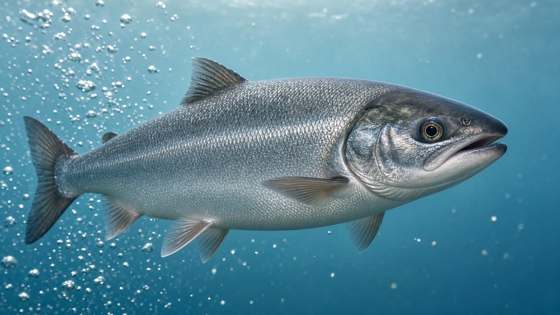
Tilapia farming produces one of the most affordable white fish in the store. Nearly all the tilapia you will find is farmed, and a good share of what is sold in the United States is imported. It is mild, flaky and easy to cook, which makes it a weeknight favorite, but it is worth knowing how it is raised and what to look for.
How tilapia farming works
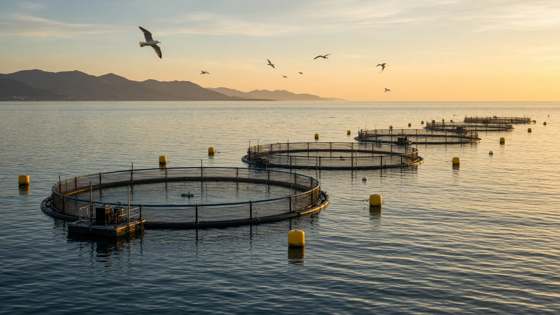
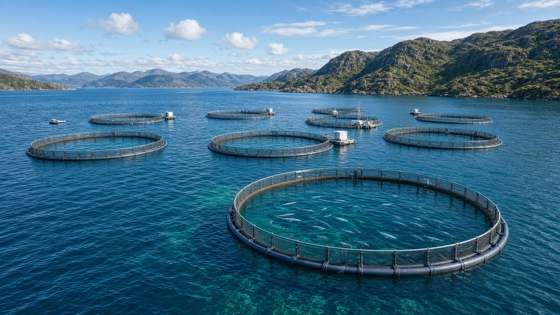
Tilapia are freshwater fish that thrive in warm water. They are raised in ponds, tanks and cages, and they eat mostly plant-based feed, which keeps costs low. Because they grow fast and tolerate a range of conditions, they are farmed in many countries. Some producers raise them in recirculating tank systems; read about that in our RAS guide. They also appear in aquaponics setups, covered in fish and plants together.
What farmed tilapia tastes like
Expect a light, slightly sweet flavor and a tender, flaky texture. It takes on seasoning well, so it suits tacos, baked fillets, pan-frying and curries. Because it is lean, it dries out if overcooked; cook it until it turns opaque and flakes easily with a fork, with the fish reaching an internal temperature of 145 F. Our baked tilapia with garlic recipe is a simple place to start.
Is tilapia healthy?
Tilapia is a lean source of protein and is listed by the FDA and EPA among the lower-mercury choices; see the advice about eating fish. It has less of the omega-3 fats found in fatty fish such as salmon, so it is best as part of a varied diet.
How to choose good tilapia
Tilapia farming: reading the package
Check for farm-raised and the country of origin. Look for third-party certification marks such as ASC or BAP, which audit farm practices. You can learn more at the ASC website or in our certification guide. Ratings differ by country and farm, so check Seafood Watch for the specific product.
Fresh or frozen?
Frozen fillets are widely available and often a better buy than "fresh" fillets that may have been thawed. Look for firm fillets with no ice crystals, and avoid packs with lots of frost or yellowing. Thaw them in the fridge overnight.
Quick buying checklist
- Flesh should be white to pale pink and moist, not dry or gaping.
- No sour, muddy or ammonia smell.
- Prefer individually quick-frozen fillets so you can use what you need.
- Compare price per pound across brands; the cheapest is not always the best.
Ways to cook tilapia so it tastes great
Because tilapia is lean and mild, it benefits from bold seasoning and a quick, hot method. Dust fillets with paprika, garlic powder and a little salt, then pan-fry in a hot skillet with oil for two to three minutes per side. For baking, lay fillets on a lined tray, top with lemon, garlic and herbs, and bake until opaque in the center. Tilapia fillets are thin, so cooking times are short, and the fish continues to cook after you take it off the heat. Pair it with rice, beans, slaw or roasted vegetables for a balanced meal.
Storage tips
Fresh fillets should be cooked within a day or two of purchase and kept on ice or in the coldest part of the fridge. Frozen fillets keep best if they are well wrapped, and are best thawed overnight in the refrigerator. Do not refreeze fish that has fully thawed unless it was thawed in the fridge and cooked first. For more, see thawing seafood safely.
Tilapia farming makes an affordable, mild fish possible, and with a quick check of origin and certification, farmed tilapia can be a reliable choice for easy, budget-friendly dinners.