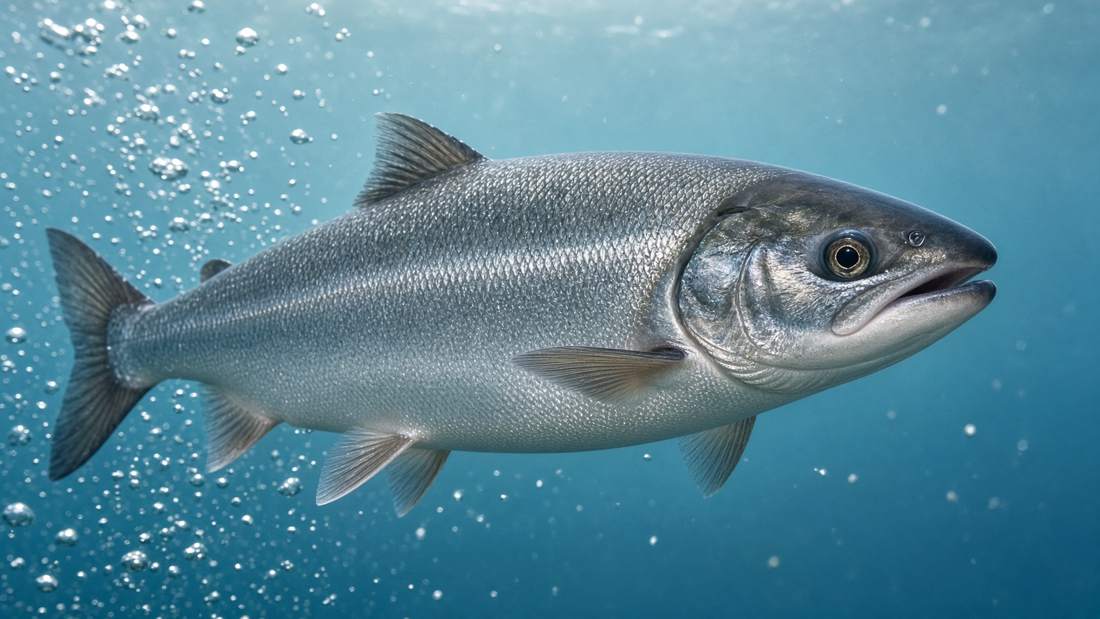
Trout farming in raceways is one of the oldest and simplest ways to raise fish, and it is the source of most of the trout in grocery stores. In the United States, rainbow trout dominate, with Idaho a leading producer. If you like a delicate, slightly nutty fish that cooks in minutes and costs less than salmon, farmed trout is a very good option.
How trout farming in raceways works
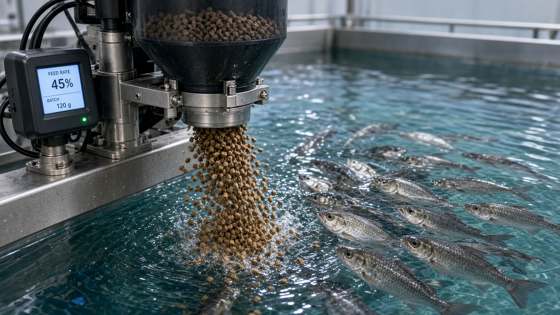
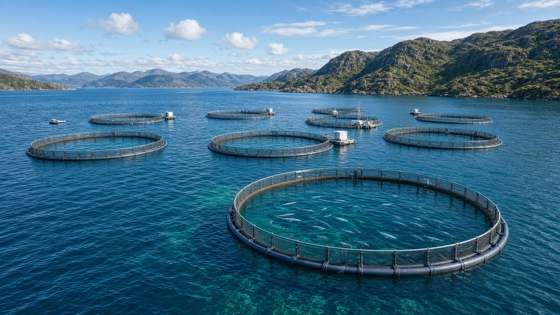
A raceway is a long, narrow channel, usually concrete, through which cool, clean water flows continuously, often from springs or streams. The constant flow brings in oxygen and carries away waste, so fish stay active and healthy. Trout are fed pellets until they reach market size, which is commonly a single-serving fish of about a pound or less. Other farms raise larger trout, often sold as steelhead or "ocean trout," in net pens or tanks. Our overview of net pens explains that approach.
What farmed trout tastes like
Rainbow trout is mild, tender and slightly sweet with a fine flake. It is leaner than salmon but not dry. The flesh may be white to pale pink or orange, depending on diet; as with salmon, pink color comes from carotenoid pigments in the feed and says nothing about freshness. Cooking is simple: whole trout can be roasted or grilled with herbs and lemon, and fillets pan-fry in a few minutes. Try our trout almondine or whole roasted trout stuffed with herbs.
Is trout a good choice?
Health
Trout is a source of protein and omega-3 fats and is on the FDA and EPA's list of lower-mercury options. See their advice about eating fish for how often to eat fish.
Trout farming sustainability
Raceway systems use a lot of water, but it usually flows through and is returned to the source, often after settling or treatment. Ratings differ by farm and region, so check Seafood Watch for the current assessment. Look for certifications too; the ASC certifies some farmed trout, so check its site for current standards.
How to buy trout
- Whole fish should have clear, bright eyes, shiny skin, red gills and a clean smell.
- Fillets should be moist and firm, with no browning or gaps.
- Boneless whole trout is easy to find and handy for quick dinners.
- Hot-smoked trout is widely sold, ready to eat, and good in salads and spreads; see smoked trout salad. Check use-by dates and keep it cold.
- Check the label for farm-raised and country of origin.
Cooking temperature
Cook trout until the flesh is opaque and flakes easily, to an internal temperature of 145 F. Whole fish usually take 15 to 20 minutes in a hot oven, and fillets 3 to 4 minutes per side in a pan.
Rainbow trout, steelhead and "ocean trout"
These names can be confusing. Rainbow trout is the species most commonly farmed in freshwater raceways. Steelhead is the name for rainbow trout that migrate to the sea in the wild, and the term is often used for larger farmed rainbow trout with more salmon-like, orange flesh. "Ocean trout" or "sea trout" is used in some markets for large farmed trout raised in marine pens. If the label is unclear, ask the seller which fish it is and where it was raised, because flavor, size and price differ.
Easy trout dinners
Whole trout is one of the easiest fish to cook for a small group. Stuff the cavity with lemon slices and herbs, rub the skin with oil, and roast at a high temperature until the flesh is opaque and pulls cleanly from the bone. Trout fillets are thin, and they cook in minutes in a pan with butter. Serve with potatoes, green beans or a crisp salad. Because trout has small pin bones, run a finger along the fillet to check, and warn guests if you serve whole fish.
Trout farming in raceways gives you a clean-tasting, affordable fish: check the origin and certification, cook it simply, and you have a fast, flavorful meal.