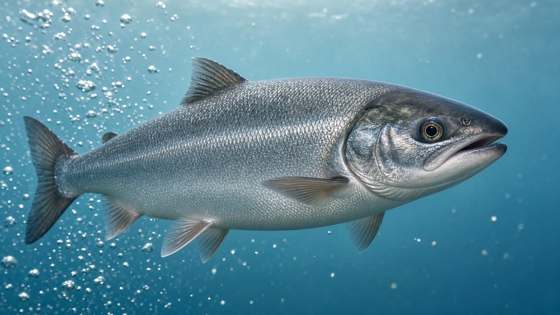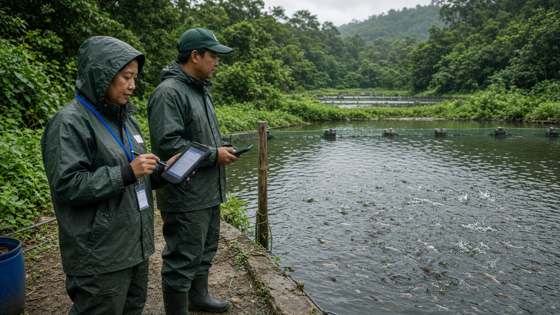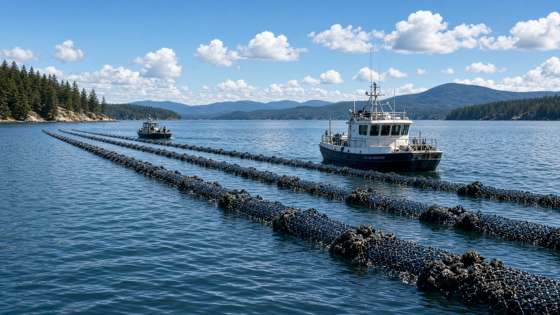
Tuna ranching is often confused with fish farming, but the two are different. In ranching, young wild tuna, usually bluefin, are caught at sea, towed to pens and fed for months to fatten them before slaughter. If you eat sushi or buy tuna steaks, understanding the difference helps you read menus and labels and judge sustainability claims.
Tuna ranching versus farming
A true farm raises fish through their whole life cycle, from egg to harvest. A tuna ranch starts with wild fish, which means it still draws on the wild population. Ranching is practiced in the Mediterranean, Japan, Australia and Mexico, among other places. A few producers have achieved full-cycle bluefin farming, where fish are bred in captivity, but those volumes are small. For a general overview of the topic, see our aquaculture basics.
What it means for taste and price
Fattening gives penned bluefin higher fat levels, especially in the belly cuts known as otoro and chutoro, which sushi lovers prize. That marbling comes with a high price. Bluefin is one of the most expensive fish at the counter, and ranched fish are sold both fresh and frozen. For home sushi and sashimi, ask your fishmonger what is safe to eat raw and see making sushi at home safely.
Sustainability questions
Wild stocks and quotas
Since ranching depends on catching wild juveniles, it is tied to the health of the stock. Management bodies set quotas for bluefin, and enforcement, reporting and the status of each population vary. Look up the species you are buying at Seafood Watch and the NOAA FishWatch profiles, because ratings change as stocks and rules change. Our article on overfishing causes and solutions gives background.
What tuna ranching uses for feed
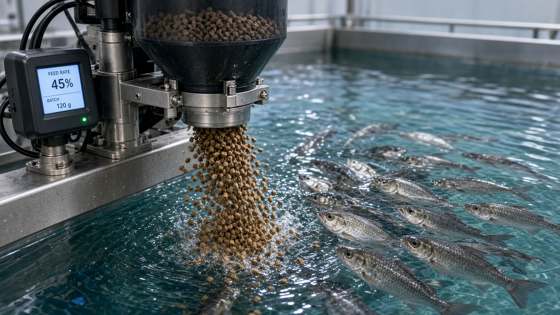
Ranched tuna are typically fed whole baitfish, and it takes a large amount of feed to add weight. That is another reason to treat bluefin as an occasional treat, not a weekly staple.
Practical buying and health tips
- Ask the restaurant or fishmonger which species it is: bluefin, yellowfin, bigeye or albacore. Names and prices differ widely.
- Ask where it came from and whether it was ranched, farmed or wild-caught.
- Mercury levels differ by tuna species. Check the FDA's advice about eating fish to see which tuna to limit, especially if you are pregnant or feeding young children.
- Yellowfin and skipjack are usually cheaper options with a lighter taste. For canned tuna, see purse seining and canned tuna.
Understanding tuna names on menus
Tuna names can be confusing. Bluefin (hon maguro) is the prized, fatty one. Yellowfin (ahi) is a leaner, milder option commonly sold as steaks. Bigeye is richer than yellowfin, and albacore is the pale "white" tuna used in cans and some sushi. Skipjack is the main canned "light" tuna. Different species have different mercury levels and sustainability ratings, so asking for the species by name matters more than the generic word "tuna."
Eating tuna safely at home
Raw tuna should be very fresh and kept cold. Fish sold for raw use is often frozen first to address parasites, as FDA guidance describes; ask the seller if a product is intended for raw consumption. Seared tuna steaks are often cooked rare in the center, and anyone who is pregnant, elderly or has a weakened immune system may prefer fully cooked tuna. Check current guidance if that applies to you.
Tuna ranching delivers rich, high-priced fish with a more complicated story than "farmed" suggests, so ask about species, origin and method, and treat bluefin as a special-occasion purchase.