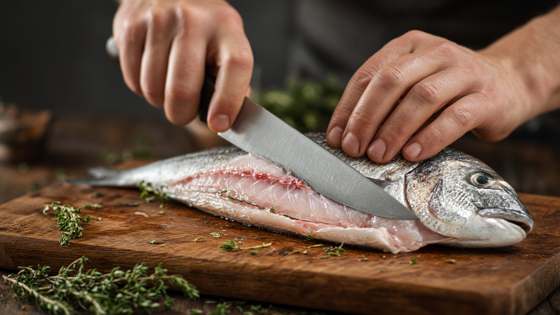
Making sushi at home safely starts with a simple idea: most of what makes sushi is rice, and the safest sushi uses cooked or non-fish fillings. Raw fish can be used with care, but it needs the right sourcing and cold handling.
Start with the rice
Use short-grain sushi rice. Rinse it until the water runs mostly clear, cook it, then fold in seasoned rice vinegar (about 1/4 cup vinegar mixed with 2 tablespoons sugar and 1 teaspoon salt per 2 cups of uncooked rice, warmed to dissolve). Fan it while folding so it cools and turns glossy. Keep the rice covered with a damp towel at room temperature while you work, and use it the same day, not left out for hours.
Easy, low-risk fillings
- Cooked shrimp, crab or imitation crab
- Smoked salmon (for healthy adults; not for pregnancy)
- Cucumber, avocado, carrot, pickled radish
- Tamago (sweet omelet), tempura shrimp, teriyaki chicken
If you use raw fish
The FDA's guidance for fish meant to be eaten raw includes a parasite-destruction step: freezing at -4 F or colder for 7 days, or at -31 F or colder until solid followed by 15 hours at that temperature (the full options are in the FDA hazards and controls guidance). Home freezers rarely reach those temperatures, so buy fish from a reputable fishmonger and ask whether it was frozen to meet this standard and is intended for raw use. "Sushi grade" has no legal definition. Some fish, such as tuna, are treated differently in the guidance; ask the seller.
Look for firm, glossy flesh that smells clean, and keep it on ice until you slice it. Slice with a very sharp knife just before serving. More on selection is in how to choose fish at the market.
Cold handling and hygiene
- Keep fish refrigerated at 40 F or lower until use, and set it on ice while you prep.
- Use a separate clean board and knife for raw fish.
- Wash hands often, and wet them in vinegar water when shaping rice.
- Serve within about two hours; discard leftovers that sat out longer. Never keep raw sushi for the next day.
Who should skip raw fish
Pregnant people, young children, older adults and those with weakened immune systems are advised to avoid raw seafood. See the FDA advice about eating fish and the page on food safety for pregnant women.
Beginner rolling
Making sushi at home safely: your first roll
Place nori on a bamboo mat, spread a thin layer of rice leaving an inch at the top, add fillings in a line, roll tightly and seal with a little water. Slice with a wet, sharp knife. Learn the etiquette in sushi etiquette and traditions.
Equipment and shopping list
You need a bamboo mat, a sharp knife, a rice cooker or pot, nori sheets, rice vinegar, soy sauce, wasabi and pickled ginger. A rice paddle and a wide bowl help cool the rice. Buy nori that is crisp and keep it sealed so it does not go chewy. Buy fresh ingredients on the day you plan to make sushi.
Soy sauce, wasabi and ginger
Real wasabi is expensive and most tubes and powders are horseradish blends, which is fine for home use. Pickled ginger is a palate cleanser, not a topping. Use soy sauce sparingly and dip the fish side, not the rice.
When you focus on cooked fillings, careful sourcing and cold handling, making sushi at home safely is a fun, practical weekend project.