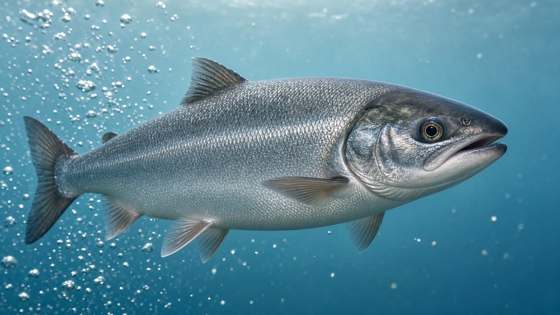
Barramundi farming has made a once-regional fish a common sight in freezer cases and fish counters. Barramundi, also called Asian sea bass, is a mild, white-fleshed fish with a buttery texture and a moist, medium-sized flake. Farming it makes it available year round, and it is a good choice if you like the idea of a fish that is gentler than salmon but richer than tilapia.
How barramundi farming works
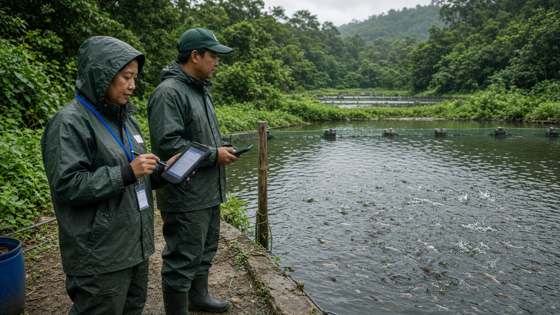
Barramundi can live in both fresh and salt water, so it is raised in several ways: in sea cages, in ponds and in land-based recirculating tanks. Farms operate in Australia, Southeast Asia and elsewhere, and some producers raise barramundi in tank systems in the United States. Knowing the farm system helps you judge the product. Open cages raise questions about waste and escapes, covered in net pen farming pros and cons, while indoor tanks are explained in our RAS guide.
What barramundi tastes like
Expect a clean, mild, slightly sweet flavor and a soft, moist texture with a bit of natural oil. It does not taste "fishy," so it is good for people who are new to fish or who feed children. The fillets often come with skin on; barramundi skin crisps well in a hot pan.
How to cook barramundi
Pan-searing and roasting
Pat fillets dry, season well, and sear skin side down in a hot oiled pan for several minutes until crisp, then flip briefly. Roasting at a high oven temperature also works. Cook to an internal temperature of 145 F, or until the flesh is opaque and flakes easily. Our tips on getting crispy fish skin apply here.
Other ideas for farmed barramundi
It holds up to steaming, grilling and curries, and pairs with lemon, ginger, garlic and herbs.
Buying barramundi: label checklist
- Check that the label says farm-raised and shows the country of origin.
- Look for third-party certifications, such as the ASC or BAP, which audit farm practices.
- Check the species rating at Seafood Watch, since ratings depend on the farming method and location.
- Frozen individual portions are common and convenient; look for no frost or freezer burn.
- Flesh should be white, moist and firm, with no strong smell.
Health and price
Barramundi is a lean, protein-rich fish; for guidance on how often to eat fish, see the FDA and EPA advice. Prices usually sit in the middle, above tilapia and below premium species. Frozen packs offer the best value.
Simple barramundi recipe ideas
Barramundi's mild flavor makes it easy to dress up. For a quick weeknight dinner, season skin-on fillets with salt and pepper, sear them in a hot pan, and finish with a squeeze of lemon and a spoonful of butter and capers. For an Asian-style meal, steam the fish with ginger and scallions and spoon over hot oil and soy sauce. It also works well in a tomato-based stew, in tacos with slaw, or baked in foil with vegetables. Because the fillets are fairly thick, allow a minute or two longer than you would for tilapia, and rely on the flake test.
Storing barramundi
Fresh fillets should be used within a day or two. Frozen portions keep best in their original sealed packaging, and are best thawed overnight in the refrigerator. Do not thaw them on the counter. Pat dry before cooking to get a better sear.
If you want an easy, mild fish with steady availability, barramundi farming delivers a reliable option: choose certified fillets, cook them hot and quick, and you will have a restaurant-style dinner at home.