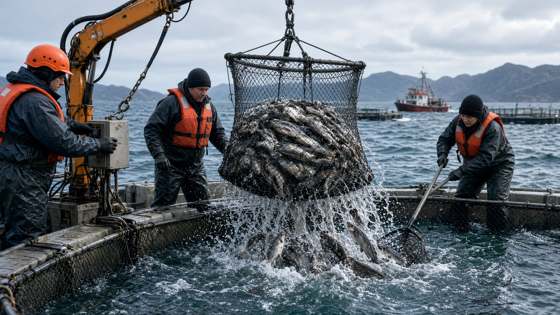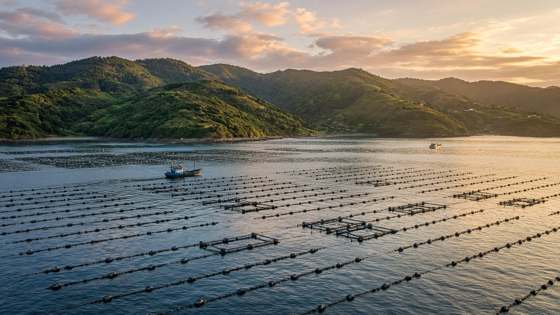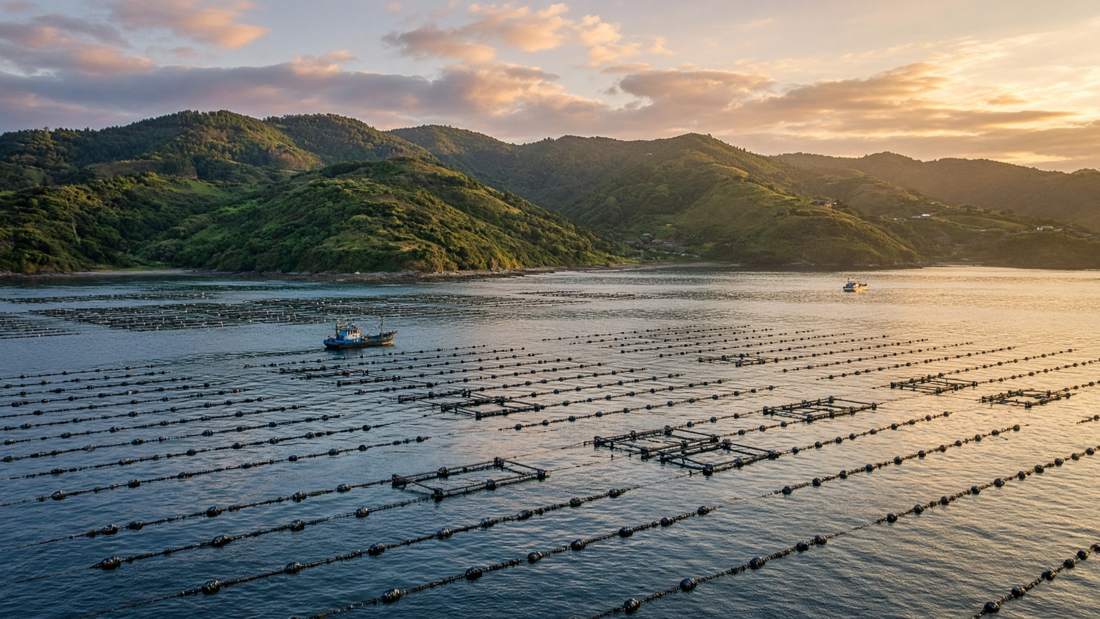
Clam farming is why live clams are available at many fish counters year round. Most farmed clams are grown right on the seabed or tidal flats, a method called bottom culture. Like oysters and mussels, clams are filter feeders, so they need no feed, which keeps their environmental footprint small. Here is what that means for the clams in your cart.
How clam farming works
Hatcheries supply tiny clam seed, which growers plant in sandy or muddy plots on tidal flats or in shallow water. Because clams burrow, they are usually protected with nets or mesh covers so crabs and birds do not eat the crop. After a couple of years, depending on the species and the water temperature, the clams are harvested by rake or by hand, washed and sorted. The main US farmed species include hard clams, also called quahogs, and Manila clams. Our look at mussel farming covers a different method for another shellfish.
Understanding hard clam sizes
Clam farming sizes: littleneck to chowder
Hard clams are sold by size, which tells you how to cook them:
- Littlenecks are the smallest and most tender. They suit steaming, pasta and eating raw.
- Topnecks are a bit bigger, good for steaming and grilling.
- Cherrystones are larger and firmer, often stuffed or baked.
- Chowder clams are the largest and toughest, best chopped for soups and sauces.
Try littlenecks in linguine with clam sauce, and save chowder clams for clam chowder.
Buying farmed clams safely
Choose clams that are closed, or that close when tapped, with a clean sea smell. Skip any with broken shells. In the US, shellfish come from classified harvest waters under a national sanitation program coordinated with the Interstate Shellfish Sanitation Conference, and retailers receive shellfish tags that identify the harvest area. Ask the counter to show them. For tips on keeping them fresh, read shellfish storage.
Check the sustainability of a particular product at Seafood Watch; farmed clams are commonly viewed as a low-impact choice, but ratings can vary by region and method.
Getting the grit out
Because clams live in sand, they can hold some. To purge them, soak them in a bowl of cold salted water, about a quarter cup of salt to a gallon of water, for 20 to 30 minutes, and then lift them out so the sand stays behind. Scrub the shells, and discard any that are cracked or stay open after tapping. Cook until the shells open and throw out any that stay shut.
Storing leftovers
Keep live clams in the fridge in a bowl with a damp towel on top and use them within a day or two. Cooked clams should be chilled promptly and eaten within a few days.
Fresh versus canned and frozen clams
Live clams are the best choice for steaming and for pasta with clam sauce, but canned and frozen clams are useful pantry items. Canned chopped clams are good in chowder and sauces, and the juice adds flavor, so save it. Frozen clam meat is usually sold already shucked. Check the label for added salt and for the country of origin. For a no-fuss weeknight dish, a can of clams, garlic, olive oil, white wine and spaghetti make a decent sauce.
Cooking times
Steam live clams in a covered pot with a splash of wine or water over medium-high heat for about 5 to 10 minutes, until the shells open. Take them off the heat as soon as most are open so the meat does not turn rubbery. Remove open clams as they are ready if some take longer, and discard any that do not open after cooking.
Clam farming brings fresh, mild shellfish at a fair price: pick the size that suits your dish, buy from a source that shows its harvest tag, and your clams will cook up sweet and clean.