Halibut farming exists, but you are unlikely to see it often at the fish counter. Most halibut sold in the United States is wild-caught Pacific halibut, and farming this large flatfish has proved slow and expensive. That matters to shoppers because it explains why halibut is priced as a premium fish and why a "farmed halibut" label is worth a closer look.
Why halibut farming is hard
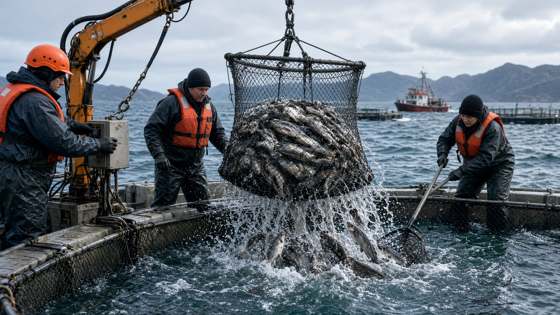
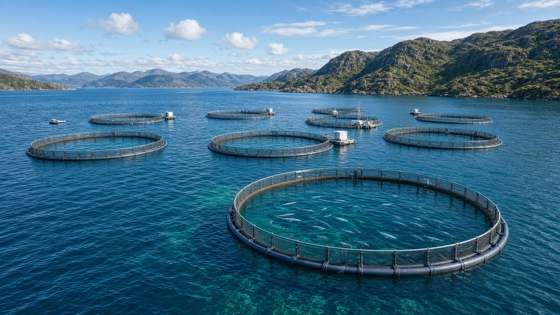
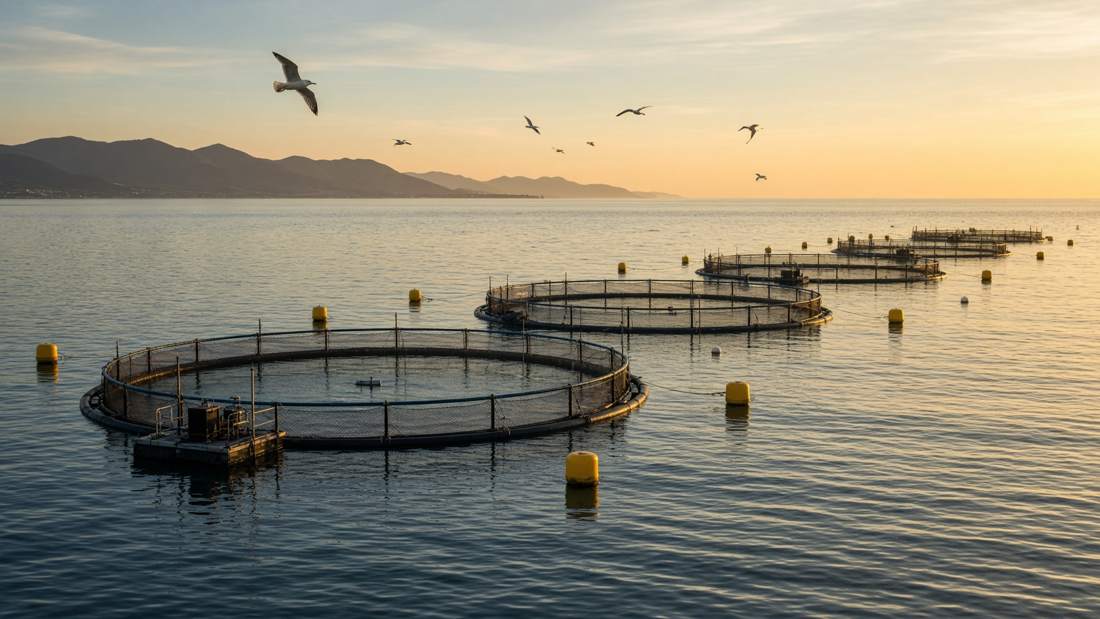
Halibut are cold-water flatfish that grow slowly and start life as very small, delicate larvae. Raising them through the early stages, getting them to eat prepared feed and keeping them healthy take skilled hatchery work. Farms have operated in places such as Norway, Iceland and Canada, mostly raising Atlantic halibut in tanks or sea cages, but the volumes are small compared with salmon. Our look at larval rearing challenges explains why young fish are hard to raise, and our cod farming lessons shows how another cold-water whitefish fared.
Wild Pacific vs farmed Atlantic halibut
Wild Pacific halibut
Pacific halibut is managed under catch limits, and the fishing season is limited, so fresh fish appears in spring and summer, while frozen fish is available at other times. Check the current rating on Seafood Watch and look at the NOAA FishWatch profile for background.
Halibut farming: farmed Atlantic halibut
Farmed halibut is a small niche. When you do find it, it should carry a farm-raised label and country of origin. Ask the seller about the farm and any certification, and check ratings, since methods vary.
Taste and price
Halibut has firm, white, lean flesh with a clean, mild sweetness. Because it is lean, it dries out easily. It is typically one of the pricier white fish, since supply is limited and demand is high. If the price is a stretch, ask for cheaper alternatives with a similar texture, such as cod or sea bass, or buy frozen portions. See our roasted halibut with vegetables recipe for a simple preparation.
How to buy and cook halibut
- Look for thick, white, translucent steaks or fillets with no browning or gaps.
- It should smell clean and mild. A sour or ammonia smell means pass.
- Thicker cuts cook more evenly. Pat dry before cooking.
- Cook to 145 F, until opaque and just flaking, and take it off the heat promptly.
- Gentle methods such as roasting, poaching or pan-searing with butter work well.
For more on fish safety and weekly serving guidance, see the FDA's advice about eating fish, as mercury levels differ by species.
Halibut portions and value
Halibut is often sold as steaks or thick fillets, which are priced by the pound. A four to six ounce portion is a typical serving, so one pound serves about three people when paired with sides. If you are watching your budget, look for frozen portions, which are often cheaper and frozen soon after catch, or ask for the thinner tail pieces, which cost less and suit quick pan-cooking. Pacific halibut cheeks, if you can find them, are a tender, inexpensive treat.
Keeping halibut moist
Because halibut is so lean, a few habits help: dry the surface well before searing, use a hot pan, cook it just until the center turns opaque, and let it rest briefly. A pat of butter, a light sauce or a drizzle of olive oil adds richness. Poaching in broth or oil is forgiving, and baking in parchment keeps the moisture in.
Halibut farming is still a small effort with big challenges, so for most shoppers the best approach is to check whether the halibut is wild or farmed, look for fresh, firm flesh and cook it gently, so you get the most from a premium fish.