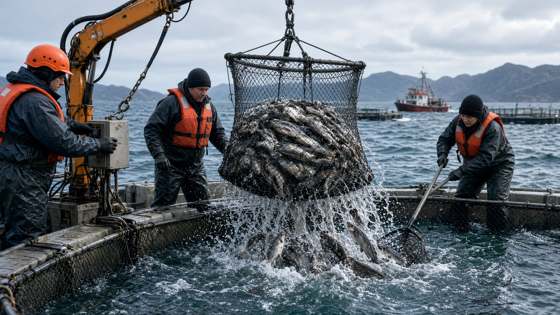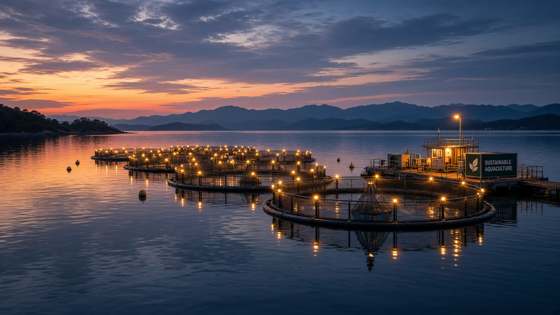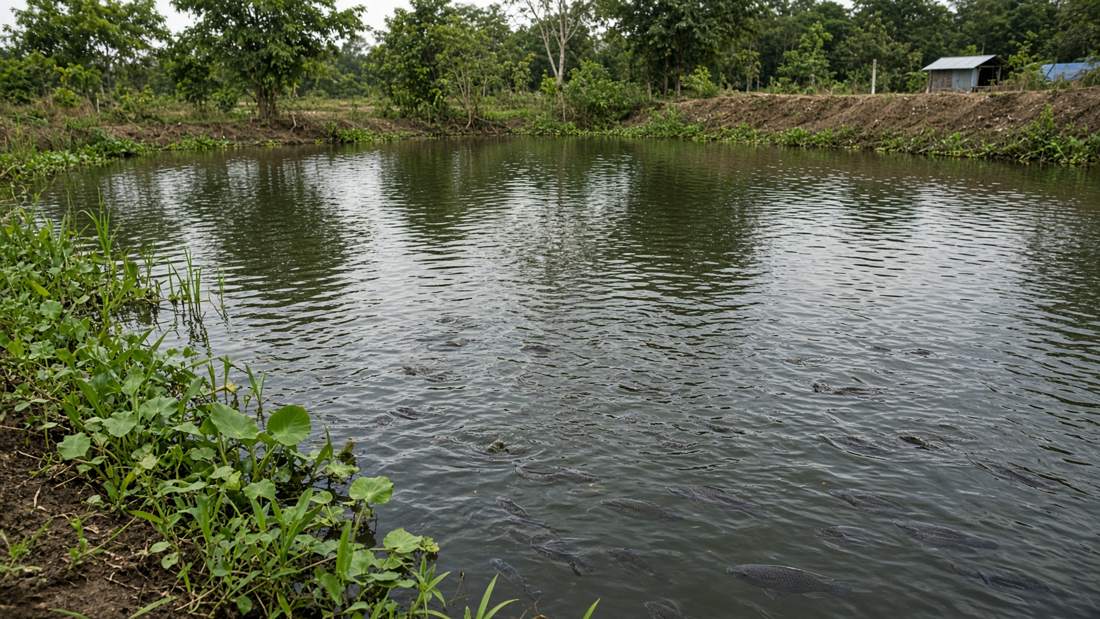
Insurance for aquaculture operations might sound like a topic only farmers care about, but it affects shoppers because it determines how well farms recover from storms, disease and other losses. Those events reach the seafood counter as shortages and price increases, so understanding them helps you shop smarter when supply gets tight.
What can go wrong on a fish farm
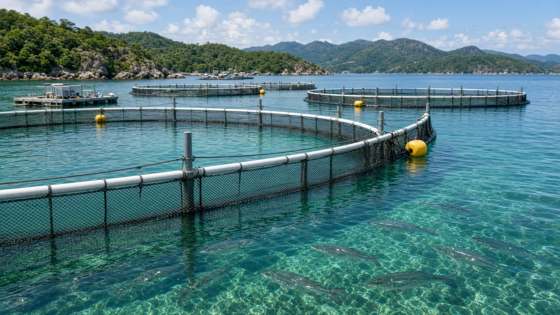
- Weather. Storms, floods, heat waves and cold snaps can damage pens, ponds and tanks or harm the animals.
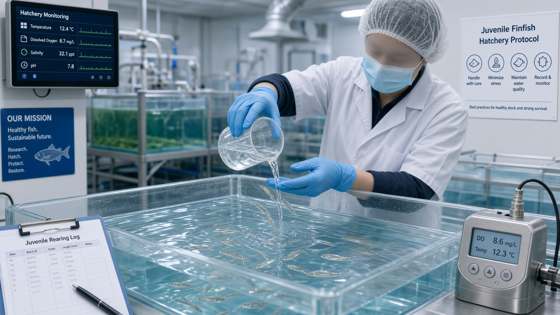
- Disease. Outbreaks can reduce harvests sharply; see fish health management.
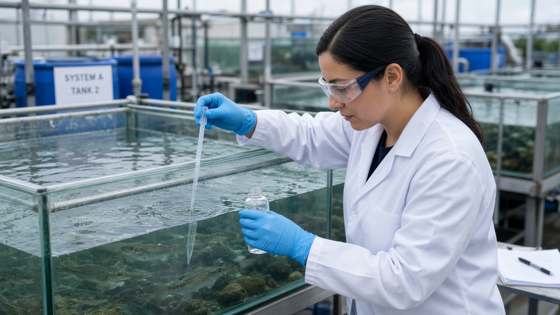
- Water problems. Low oxygen, algae blooms and pollution can kill stock; see algae blooms and farm management.
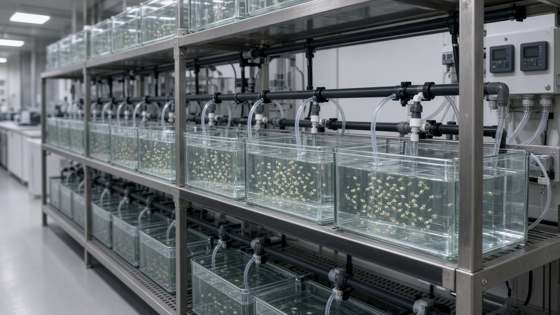
- Equipment failure. A power outage or pump failure can be fatal in tank systems.
- Theft and escapes. Fish or equipment may be stolen, or fish may escape after damage.
How insurance for aquaculture operations fits in
Farms may buy coverage for equipment, structures, liability and, in some cases, the fish themselves. Cover for live animals is more specialized than for ordinary property, and what is available varies by country, species and farm type. Some governments run programs that help farmers recover after disasters. Because details differ, you should not assume that every farm is protected; check current programs and policies where relevant.
For a shopper, the key point is that when a farm can recover quickly it can resume supply sooner, and when it cannot, product may disappear for months.
What insurance for aquaculture operations means for prices
Insurance costs and uninsured losses both feed into what farms charge. Regions that face frequent storms or disease have higher risk costs. After a major event, such as a hurricane hitting a shrimp or oyster area, supply can drop and prices rise. The effect is usually temporary, but it can last a season or more because animals take time to grow back.
How to shop when supply is disrupted
- Be flexible on species. If your usual fish is expensive, swap in a similar one, such as another mild white fish.
- Buy frozen. Frozen farmed seafood often holds price better and is frozen soon after harvest.
- Check the origin. Supply may shift to other countries, so read labels; see the USDA country of origin labeling page.
- Ask your seller when new supply is expected.
- Avoid prices that seem too good to be true during shortages, which can indicate substitution or poor handling.
Questions about safety after disasters
After floods or storms, shellfish growing areas are closed until testing shows water is safe, under programs coordinated through the Interstate Shellfish Sanitation Conference. Do not harvest shellfish from closed waters yourself, and buy only tagged product. For general guidance, see the FDA advice about eating fish.
Looking ahead
Climate change is increasing weather and disease challenges for farms; see climate change and aquaculture adaptation. Insurance, better siting and stronger systems are part of how the industry responds.
Insurance for aquaculture operations rarely appears on a package, but it is part of why farmed seafood supply recovers or stalls after a bad season. Flexible shopping keeps your dinner plans steady.