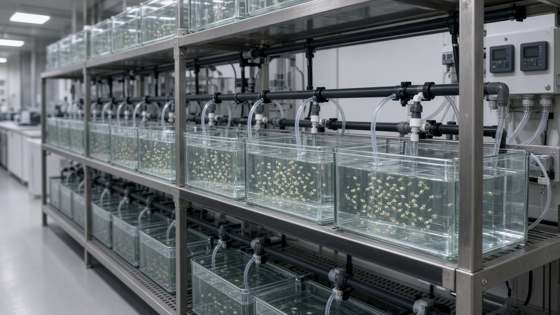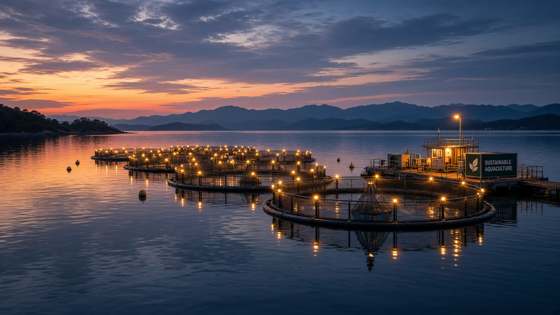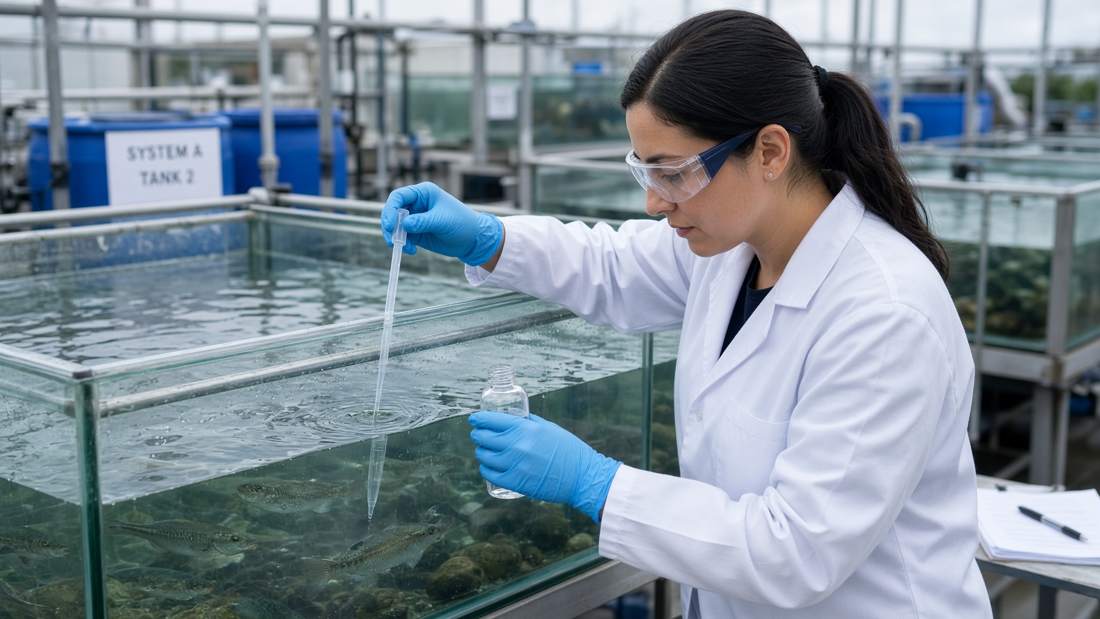
Hatchery operations 101 starts with a simple idea: every farmed fish, shrimp or oyster begins life in a controlled facility where eggs are fertilized, hatched and nursed through their most fragile weeks. What happens there affects survival, growth and the price you pay months or years later, so it is worth understanding even if you only cook.
What a hatchery does
A hatchery takes eggs from parent animals, fertilizes and incubates them, and raises the hatchlings until they are strong enough to move to a farm. Fish hatcheries supply fingerlings, small juveniles about the size of a finger. Shrimp hatcheries supply postlarvae, which are tiny but already shaped like miniature shrimp. Oyster and clam hatcheries produce microscopic larvae that attach to a surface and become seed, ready for the sea.
Because the parents are managed carefully, as covered in broodstock management, hatcheries can produce animals on a schedule, which is how farmed seafood stays available throughout the year.
Why hatchery operations 101 matters to shoppers
- Reliable supply. Predictable juvenile production means predictable harvests.
- Less pressure on wild stocks. Farms that use hatchery-reared juveniles do not need to collect wild young, which is how some species were once grown.
- Health. Hatcheries can start with disease-free animals, reducing the need for treatments later.
- Cost. Survival rates in the hatchery affect the final price per pound.
Hatchery operations 101 versus stocking programs
Not all hatcheries serve farms. Some release young fish, such as trout and salmon, into rivers and lakes to support recreational and commercial fisheries. This is separate from farming, but can blur labels, so always check whether a fish at the counter is marked wild-caught or farmed. In the United States, FishWatch from NOAA Fisheries explains both wild and farmed sources species by species.
Where hatchery stage choices show up on a label
You will rarely see hatchery details on a package, but certifications do cover the beginning of the chain. The Best Aquaculture Practices program certifies hatcheries as well as farms and processing plants, which is why you may see a seal that covers multiple steps. Ask the seller whether the product is certified from hatchery to harvest.
What can go wrong, and how it reaches you
Larvae are delicate. A water problem or disease outbreak can wipe out a batch, as discussed in larval rearing challenges. When that happens across a region, supply tightens months later and prices rise. Shoppers sometimes see this with shrimp or oysters, even when harvest conditions are normal.
Practical buying tips
- Prefer species with a long track record of farm-raised supply, such as salmon, trout, catfish and tilapia, if you want to avoid wild-caught juveniles.
- Look for certification logos that cover the whole chain.
- Ask where the fish was raised and by whom; traceable products often have a farm or lot code.
- Check the Seafood Watch rating for the species, because it considers sourcing as well as farm practices.
Every fillet and every oyster has a hatchery story behind it. With hatchery operations 101 in your pocket, you can read labels, ask better questions and recognize why a well-run first stage means a more reliable, more affordable plate.