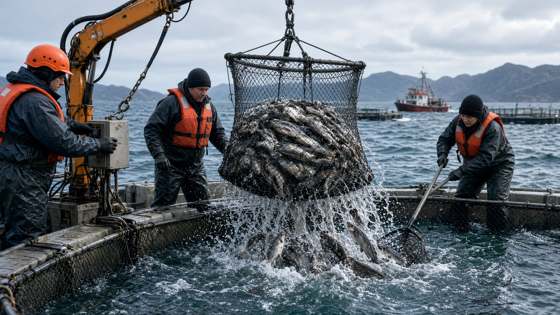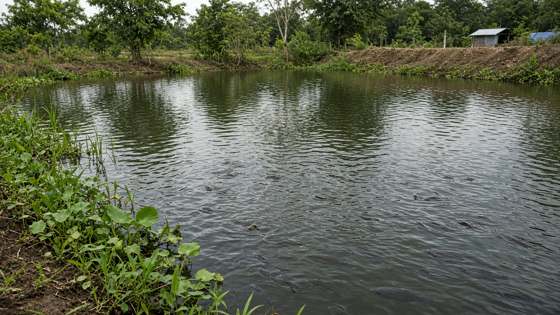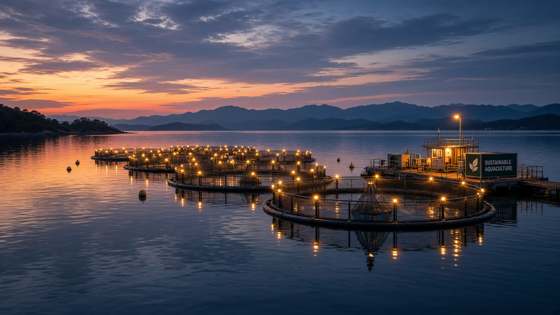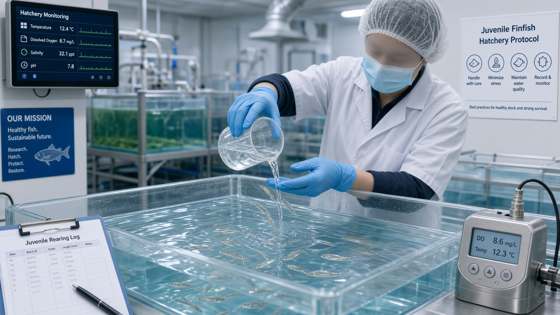
Nursery systems for juveniles are the middle step between the hatchery and the main farm, and they have a surprisingly big effect on what ends up in your shopping basket. This is where tiny, delicate young animals are given extra care so that more of them survive to market size, which keeps farmed seafood steadier in quality and price.
Where the nursery fits
The life cycle on a farm runs in stages: parents, hatchery, nursery, grow-out and harvest. Hatchery animals are very small and vulnerable. Moving them straight into large ponds or open-water pens would mean heavy losses. A nursery holds them in smaller, controlled tanks or ponds for a few weeks or months, with careful feeding and water management, until they are tough enough for the next stage. See hatchery operations 101 for the step before this one.
How nursery systems for juveniles are built
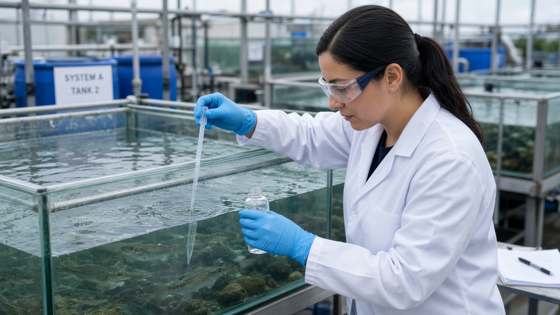
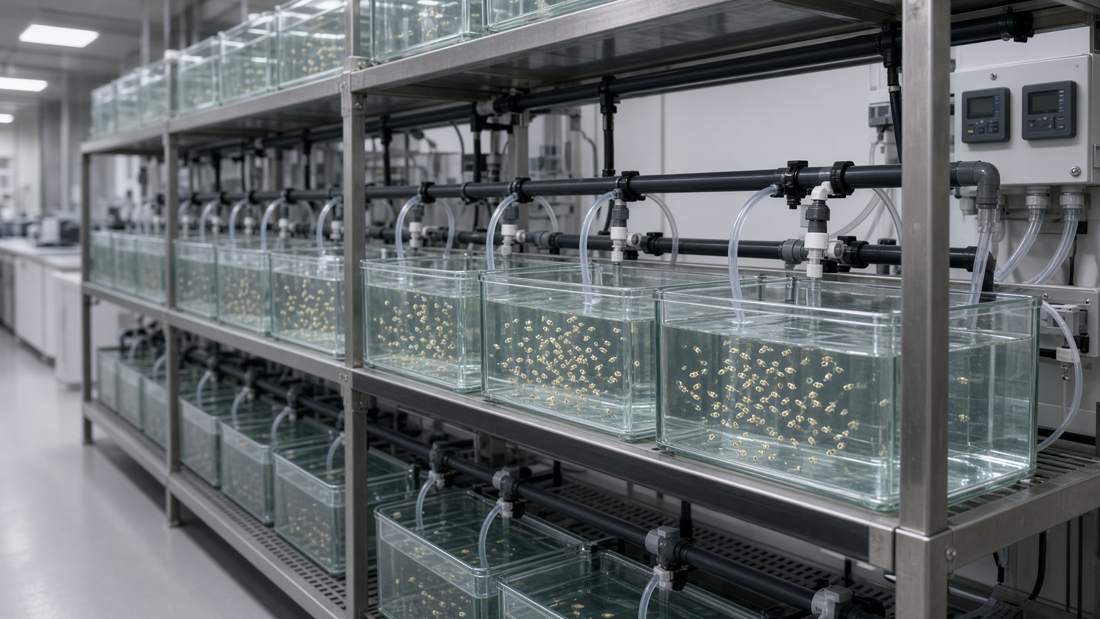
- Indoor tanks with filtered water, controlled temperature and frequent monitoring, common for shrimp postlarvae and many fish.
- Small earthen or lined ponds where fingerlings grow on natural food and fine feed.
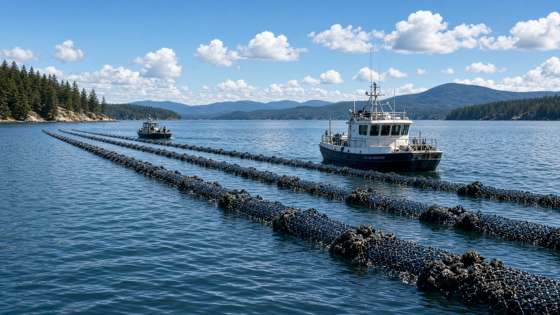
- Floating or nearshore trays and bags for oyster and clam seed, which are fed by natural algae in clean water.
- Raceways, long channels with flowing water, used for trout; see trout farming in raceways.
What nursery systems for juveniles change for the fillet
A good nursery results in uniform, healthy young animals. That uniformity carries through to grow-out and means similar-sized, similar-quality fish at harvest, which is why farmed salmon fillets and shrimp counts are often so consistent. It also reduces mortality, which lowers cost, and it allows farms to use fewer medications because stronger young animals resist disease better.
Does the nursery stage affect safety or taste?
The nursery does not directly change flavor. But because it sets health and growth patterns early, it influences how much treatment animals need later, and that is where certification comes in. Programs such as the Aquaculture Stewardship Council and Best Aquaculture Practices set requirements on health management and record keeping. Seafood from certified farms must meet limits on drug use and keep traceable records.
Why shoppers sometimes see price swings
Nursery success feeds into supply. If a nursery batch fails, fewer animals reach harvest months or even a year later. This can raise prices for species such as shrimp, oysters or salmon. It is one reason the price per pound can change without any obvious cause at the counter.
A short shopper checklist
- Choose products with a named farm or country of origin.
- Look at the grading and size labels: uniform size usually reflects good farm management.
- Check Seafood Watch for the species, since it rates how farms are run from start to finish.
- Prefer frozen if fresh looks tired; frozen farmed seafood is often frozen soon after harvest.
The nursery stage is where farms invest in survival. When you see consistent, reasonably priced farmed seafood, there is a good chance nursery systems for juveniles did their job. Once the animals are big enough, the next job is sorting them, which our guide to fish grading and sorting explains.