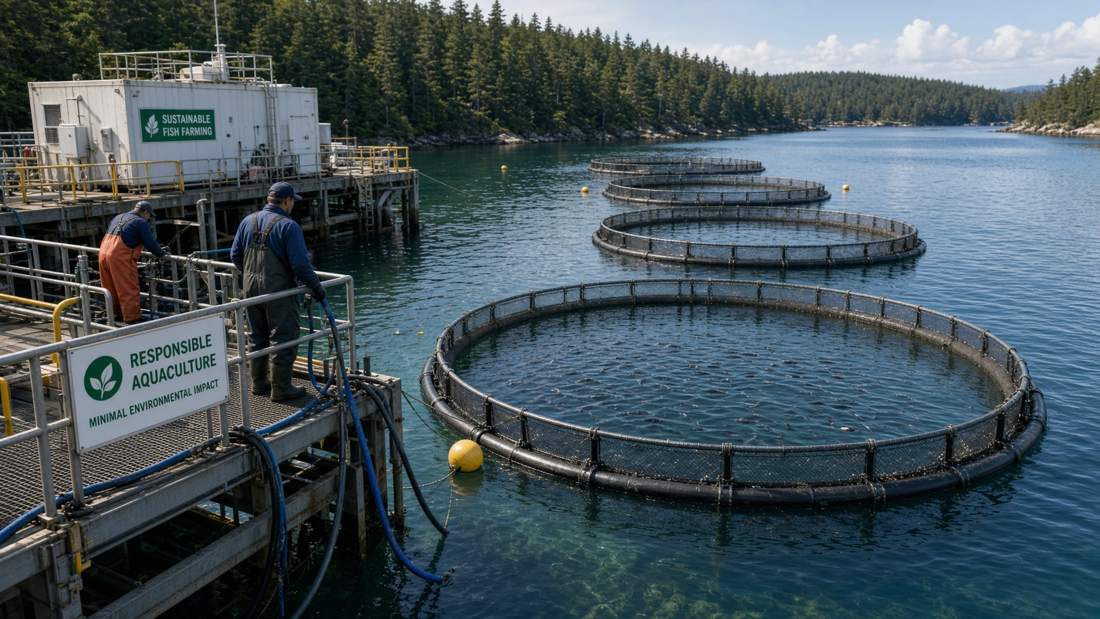
Sturgeon and caviar aquaculture have changed how people buy one of the world's most expensive foods. Wild sturgeon populations have declined sharply, and international trade in sturgeon products is regulated under CITES, the global wildlife trade agreement. As a result, most caviar sold today comes from farmed sturgeon, and learning how it is made helps you understand both the price tag and the label.
How sturgeon are farmed for caviar
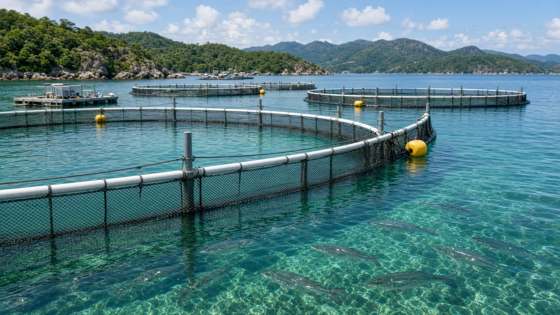
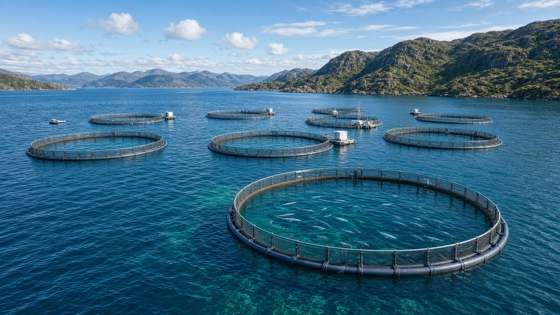
Sturgeon are slow-growing, long-lived fish. Farms raise them in tanks or ponds with controlled water quality for many years before the females produce roe that is ready to harvest. Depending on the species, that wait can run from several years to well over a decade, which is the main reason caviar is expensive: the farm has to feed and house the fish for a very long time before earning anything. Water quality and handling matter because they influence the roe's flavor and texture. Our explanation of recirculating tank systems covers one setup used for sturgeon.
What caviar is, and what is not
The word on the label
In the United States, "caviar" on its own generally means salted roe from sturgeon under FDA labeling policy (check current rules). Roe from other fish, such as salmon, trout, whitefish or paddlefish, should be labeled with the fish name, for example "salmon caviar" or "whitefish roe." Those are tasty and far cheaper, so they are a good way to try the experience on a budget. See our guide to handling fish roe and caviar.
Species and salting
The species determines the size, color and flavor of the eggs. Look for the species name (for example, Siberian, white or Russian sturgeon) and the country of origin. "Malossol" means lightly salted, and it is a common mark of fine caviar. Pasteurized caviar lasts longer but can have a different texture.
Buying tips
- Buy from a reputable seller that lists species, country, farm and packing date or best-before date.
- Avoid prices that look too good to be true; some products labeled as caviar are not what they claim. See avoiding fraudulent seafood substitution.
- Check for the CITES information on the tin, which international trade requires. The CITES labeling helps show legal origin.
- Look for farms with sustainability credentials; the ASC and Seafood Watch are good places to start.
Storing and serving
Keep unopened caviar in the coldest part of the refrigerator, typically around 28 to 32 F if the seller recommends it, and never freeze it unless the label says it is suitable. Once opened, eat it within a short time; follow the label. Serve it cold with a non-metal spoon, such as mother-of-pearl or plastic, on blinis, toast points or plain boiled potatoes. As with all fish products, pregnant women and anyone with specific health concerns should review the FDA's fish advice and check current guidance on raw or cured products.
Budget-friendly alternatives
If sturgeon caviar is out of range, there are several good options. Salmon roe (ikura) is large, juicy and bright orange, and works well on sushi, toast or rice bowls. Trout roe is smaller and delicate. Whitefish roe is light and crunchy, and often used as a garnish. Flying fish roe (tobiko) is colorful and crisp. All of these should be labeled with the species name. Check the ingredient list for dyes and preservatives, and compare prices by weight, since small jars can be misleading.
Serving caviar at home
Serve caviar well chilled, in its tin set over crushed ice, with a small non-metal spoon. Keep accompaniments simple: plain blinis, unsalted crackers, creme fraiche or boiled new potatoes. A little goes a long way, and many people find about half an ounce to an ounce per person is plenty as a taste. Chilled dry sparkling wine or very cold vodka are traditional pairings.
Caviar from farmed sturgeon lets you enjoy a luxury food without drawing on threatened wild fish: know the species, check the label and storage details, and you can buy caviar with confidence at the price point that suits you.