Closed seasons and marine protected areas are two of the simplest tools for protecting wild fish: stop fishing at the vulnerable times or in the vulnerable places. For shoppers, they explain why a favorite fish can vanish from the case for months, why prices can jump, and why frozen product may be the better buy at certain times.
What closed seasons and marine protected areas are for
A closed season is a period when harvesting a particular species is not allowed, or is limited. Reasons include protecting fish during spawning, letting young animals grow, and preventing the catch from exceeding the scientific limit. A well-known example is Florida's stone crab fishery, which has a season in the cooler months and is closed in the summer. Check current rules with the state agency before relying on any date, since seasons can change.
Why fish from closed seasons and marine protected areas may still be in stores
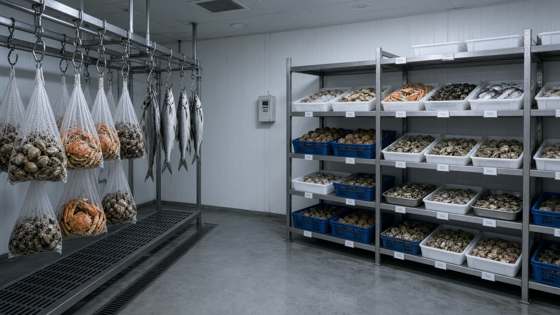
Even when a domestic fishery is closed, you may see the species in stores because it is frozen product from an earlier harvest, imported from a place where the season is open, or farmed. That is why origin matters, and the country-of-origin label can tell you which case you are seeing.
What marine protected areas are
Marine protected areas, or MPAs, are defined places in the ocean with extra protection. Rules differ widely: some limit only certain activities, while others prohibit all fishing. NOAA's marine protected areas center explains the types and lists US sites. An MPA does not mean no seafood is available from the region; it means certain parts of the sea are managed differently, often to protect nursery grounds or habitat.
How closures help shoppers
- They support healthier stocks, which supports a steadier supply over time.
- They help protect spawning fish, which are often the most valuable for future harvest.
- They can support better quality, since seasons can be timed for when fish are in good condition.
The broader management picture is in fisheries management 101, and NOAA's overview goes further.
Practical buying advice
- Learn the season for the fish you love in your region. Fresh product is generally best and most affordable when the fishery is open.
- Buy frozen out of season; it is often just as good. See fresh vs frozen nutrition and taste.
- Be wary of "fresh" product that is out of season locally, and ask where it came from.
- Try a substitute species when your first choice is closed.
If you fish yourself
Closures apply to recreational anglers too, and rules differ by state and species. Always check your state's wildlife or marine fisheries agency for current rules before you head out, and see recreational versus commercial catch rules.
In short
Closed seasons and marine protected areas are why seafood has seasons, and respecting them is part of how fisheries stay productive. Plan around them, shop smart when your favorite is out of season, and look to official sources for the latest dates and boundaries.