The same species can taste and cook very differently in March than in August, which is why seasonal quality variations in seafood are worth knowing before you shop. Fish feed, fatten, spawn, and migrate on a yearly cycle, and shellfish and crustaceans grow and molt on theirs. Those cycles change fat content, firmness, size, and price, and sometimes whether a product is available at all.
Why the Season Changes the Fish
Three things drive most of the variation. Feeding: fish that eat well put on fat and flavor. Spawning: animals divert energy into eggs or milt, and the flesh can turn thinner, softer, or watery afterward. Water temperature: it affects growth, how long shellfish take to fatten, and when catches peak.
Fishing rules also vary by season, with open and closed periods, quotas, and size limits. Those rules protect the stock, and they affect how much fresh product reaches the market. To see how this fits the bigger picture of managed fisheries, read NOAA's overview of U.S. fisheries management.
Seasonal Quality Variations in Seafood You Can Taste
- Fatty fish such as salmon and mackerel are richest after periods of heavy feeding, and leaner after spawning runs.
- Oysters are often plumper and sweeter in cooler months, and can be thinner and creamier-looking around spawning in warm weather. The old rule about months with an R reflects this, though modern refrigeration and farming have loosened it.
- Crabs and lobsters go through molting, and a recently molted animal can have a softer shell and less meat for its size. Hard-shell animals are heavier for their size.
- Roe, such as shad or herring roe, is a seasonal specialty, available for a short time each year.
Exact timing differs by region and species, so ask your fishmonger what is at its best now.
How to Use Seasonality at the Counter
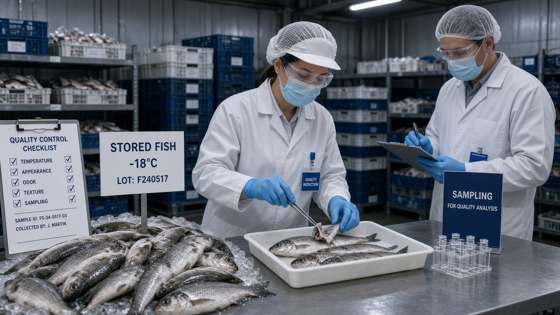
Seasonal fish usually costs less because supply is high, and quality is usually better. Ask what arrived most recently, and which fish is the best value this week. Look at the product itself: firm flesh, a clean smell, and bright, moist color. Our guide to recognizing freshness in fish walks through the checks.
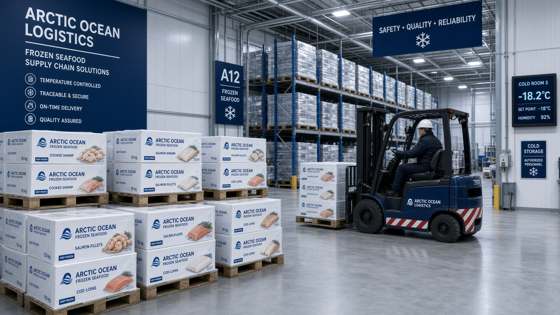
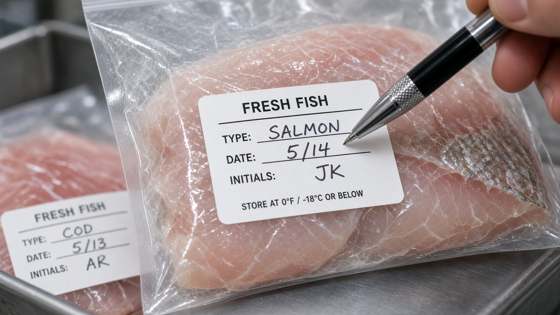
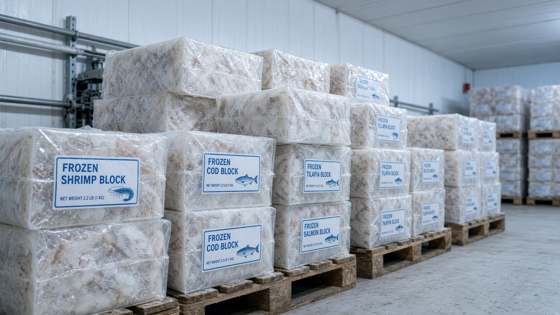
When a favorite is out of season, frozen can be a smart choice. Fish frozen soon after catch can be better than "fresh" that has traveled for days, and it is often cheaper. See fresh vs. frozen nutrition and taste for the comparison.
Farmed Fish Smooth the Calendar
Farmed fish are fed on a steady schedule, so their fat and size vary less through the year, and supply is more even. Wild fish remain more seasonal. If you want guidance on sustainability, Seafood Watch lists recommendations by species and region, and NOAA's FishWatch profiles many species, including when they are harvested.
A Practical Habit
Keep a short list of what is best in your region each season, and ask at the counter before settling on a recipe. Flexible shopping, choosing the fish that is best today rather than the one you planned, is the simplest way to take advantage of seasonal quality variations in seafood, and it usually saves money too.