If you are a young shopper who wants to eat more fish, Gen Z seafood habits come down to three things: keep it cheap, keep it simple, and keep it flexible. Fish has a reputation for being expensive and hard to cook, but a few well-chosen products make it as easy as chicken.
Gen Z seafood on a student or starter budget
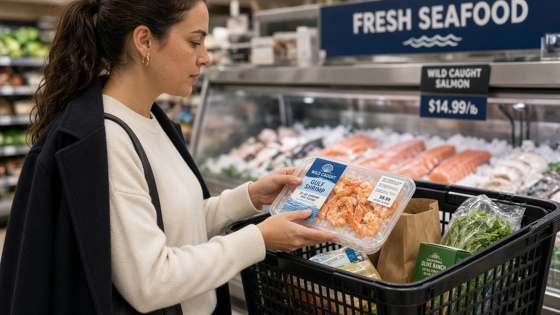
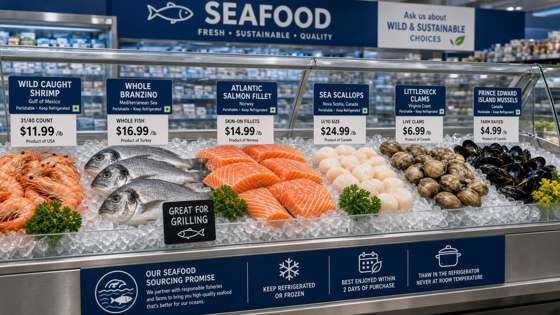
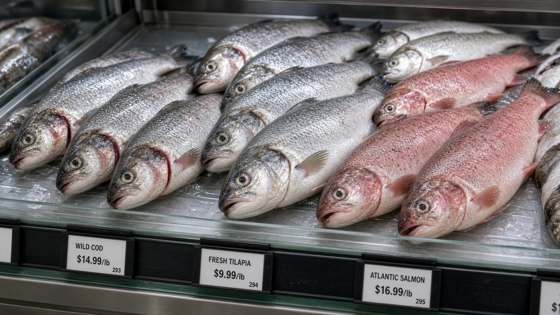
Some seafood is much cheaper than people assume. Frozen fillets, canned tuna or salmon, tinned sardines and mackerel, and frozen shrimp cost far less per serving than fresh fillets from the counter. Compare per-pound prices, and look for items sold in larger frozen bags if you have freezer space.
Gen Z seafood: easy first fish to buy
- Salmon fillets: forgiving to cook and available frozen in individual portions.
- Cod, pollock or haddock: mild, flaky and good in tacos or baked with breadcrumbs.
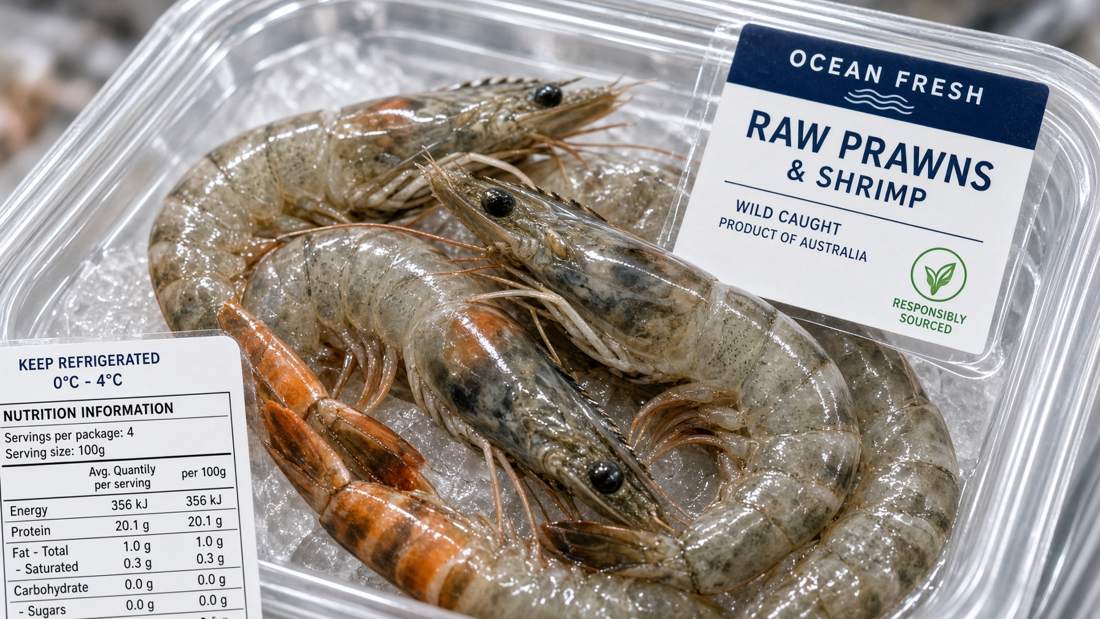
- Frozen shrimp: cook in minutes; buy peeled and deveined if you want speed.
- Tinned tuna, salmon or sardines: no cooking at all, good on toast or in pasta.
How to buy without feeling lost
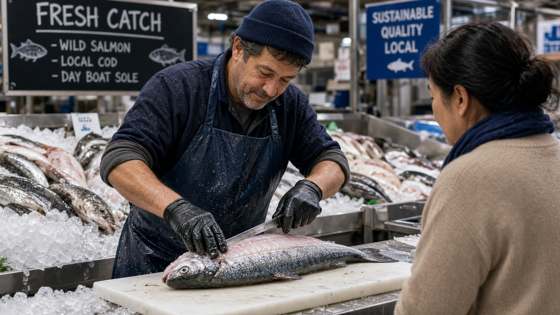
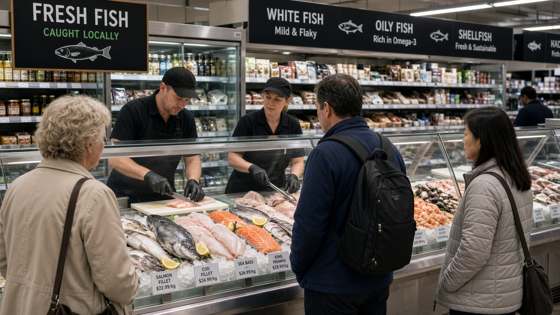
Asking questions at a fish counter is not embarrassing; it is how shoppers get the best fish. Try: "What came in today?" "Is this wild or farmed?" "How would you cook this?" Good counters welcome it. Our guide to choosing fish at the market lists what to check, and the questions to ask your fishmonger adds more.
Quick freshness checks
Fresh fish should smell clean and mild, with moist, firm flesh that springs back when pressed. Skip anything that smells sharply fishy or looks dull and dry. The FDA's guidance on selecting fresh and frozen seafood covers these basics.
Simple ways to cook and share fish
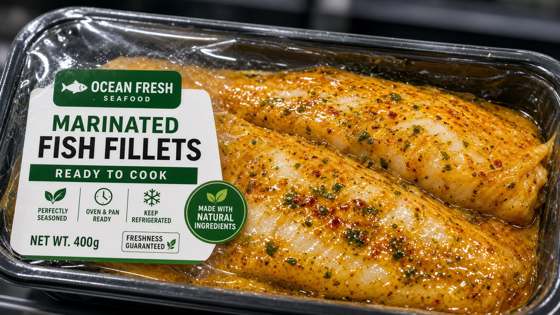
A hot pan, a little oil, salt and lemon will do for most fillets. Fish is cooked when it reaches 145 F or flakes easily with a fork. Sheet-pan dinners, tacos and rice bowls are good starter formats, and tinned fish works well mixed into pasta or on toast. See seafood for weeknight dinners for more ideas.
Looking at labels and values
Many young shoppers care about where food comes from. Sustainability and sourcing information is available if you want it: Monterey Bay Aquarium Seafood Watch rates many species, and certification marks appear on some packages. You do not need to memorize ratings; pick one or two favorite fish and learn their rating.
Avoid common first-timer mistakes
Fish is more forgiving than its reputation suggests. A fillet that sticks to the pan or breaks into flakes is still dinner. Use a nonstick pan or line a tray with parchment, pat the fish dry before cooking, and do not keep flipping it. If you are cooking for friends, shrimp tacos or a tray of baked cod with lemon and potatoes feed a group without drama.
- Overcooking: fish continues to cook off the heat, so take it off a minute early.
- Buying too much fresh fish at once. Buy for the next day or two, and freeze the rest.
- Ignoring the freezer aisle, where good value hides.
Gen Z seafood shopping works best when you start with a few cheap, forgiving options, ask the counter for advice, and add new species as your confidence grows.