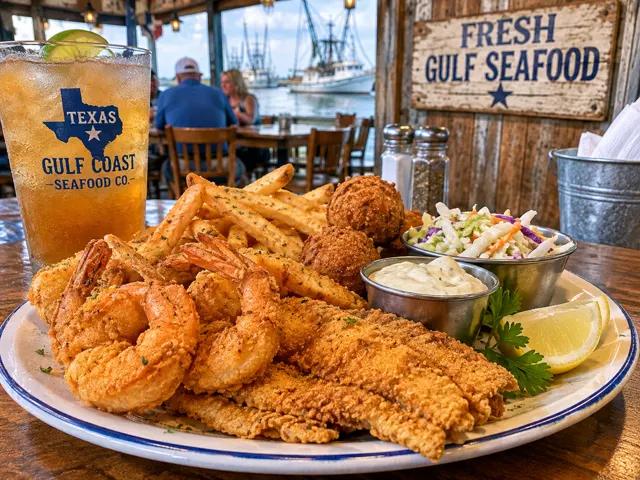
Seafood in Wisconsin is known for the Friday fish fry, a statewide tradition of beer-battered or broiled fish with rye bread, coleslaw and potatoes. Behind the supper club menu are Great Lakes fish from Lake Michigan and Lake Superior, inland walleye and perch, and a large supply of cod, haddock and other fish sold through restaurants and supermarkets. Door County is famed for its fish boil, usually made with whitefish, potatoes and onions.
Where to buy seafood in Wisconsin
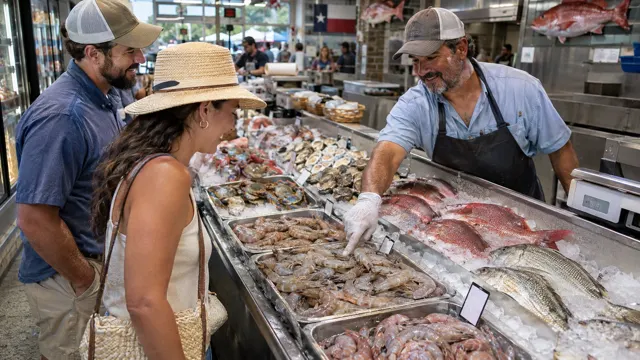
Milwaukee, Madison and Green Bay have supermarkets, Asian and Latin markets and specialty fish shops, and many smaller communities have smokehouses and fish markets, especially near Lake Michigan and Lake Superior. Bayfield and other Lake Superior towns have fish sellers and smoked-fish shops, and you can find smoked trout and chubs around the state. Farmers markets and community supported fisheries add options; see community supported fisheries explained and the Local Catch Network. Wisconsin Sea Grant publishes information on Great Lakes fish and fisheries.
What is local and in season
Lake whitefish, lake trout, yellow perch and walleye are important in Great Lakes and inland fisheries, and commercial fishing is regulated with licenses and quotas. Smoked fish, such as whitefish and trout, is a regional specialty; keep it refrigerated and see smoked fish storage guidelines. At many fish fries, cod, haddock and walleye or perch may be imported or from other regions, so ask if you care where it came from. The best times to buy popular fish explains how seasons affect supply.
Choosing fish for a home fish fry
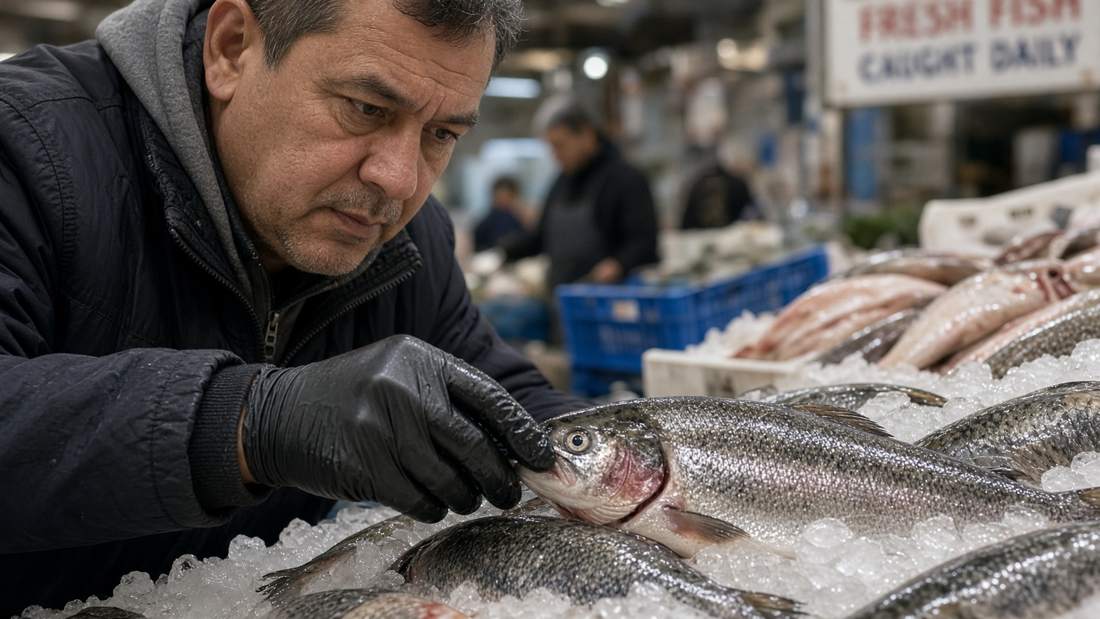
Buy fillets that are firm, moist and mild-smelling, or choose frozen cod or haddock fillets for convenience. Pat fillets dry, keep batter cold, and fry in oil at a steady temperature until the fish flakes easily and is opaque. Serve promptly and refrigerate leftovers. See thawing seafood safely for frozen fish.
Buying tips
- Ask whether the fish is from the Great Lakes, inland waters or imported.
- Check smoked fish for a fresh smell and proper refrigeration.
- Check labels for country of origin; see COOL labeling.
Fish consumption advisories and fishing rules
Wisconsin issues fish consumption advice for many waters, with different guidance for different groups of people, including pregnant women and children. Check the current advisories from the Wisconsin Department of Natural Resources and the Wisconsin Department of Health Services before eating fish you catch. For store-bought fish, see the FDA advice about eating fish and mercury in seafood consumer guidance.
Anglers need a Wisconsin fishing license, and seasons, size and bag limits vary by water; check the current regulations on the DNR site. The Great Lakes are managed in cooperation with other states, tribes and Canada through the Great Lakes Fishery Commission. Retail food rules for sellers are overseen by the Wisconsin Department of Agriculture, Trade and Consumer Protection. Because Wisconsin has no marine shellfish harvest, shellfish comes from other states under the National Shellfish Sanitation Program.
Shopper resources: markets, sellers and trade groups
- Wisconsin Sea Grant
- Seafood Nutrition Partnership
- Local Catch Network (community supported fisheries)
- USDA farmers market directory