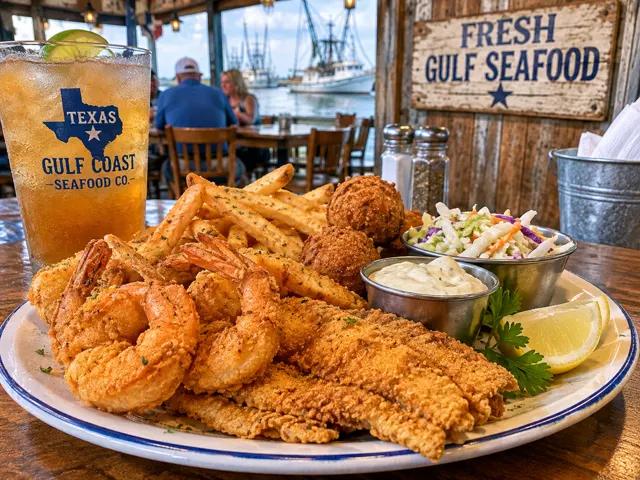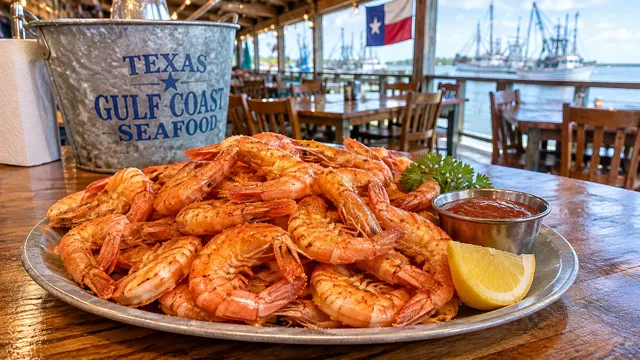
Seafood in Virginia is Chesapeake Bay and Atlantic seafood: blue crab, oysters, clams, striped bass, flounder, croaker and menhaden, plus sea scallops and other fish landed at Hampton Roads and Eastern Shore ports. The Eastern Shore and the Rappahannock River region are famous for oysters and clams, and Virginia is among the nation's leading producers of farmed oysters and clams.
Where to buy seafood in Virginia
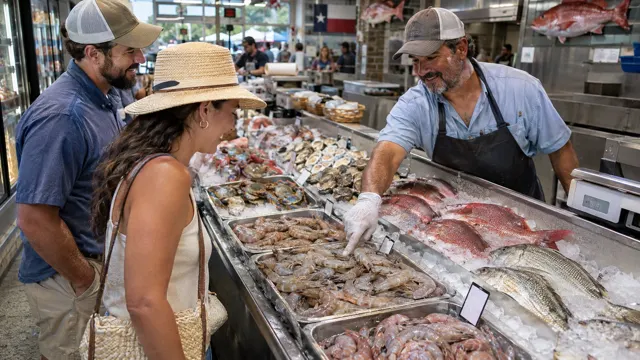
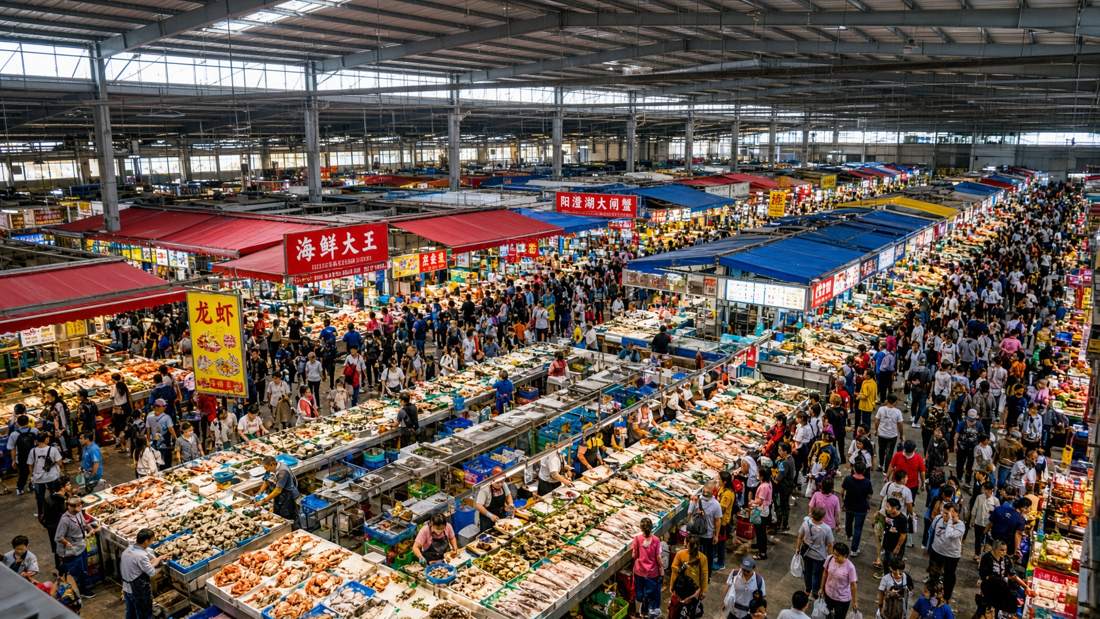
Look for waterfront markets and seafood shops in Hampton Roads, Norfolk, Hampton, Virginia Beach, the Northern Neck and the Eastern Shore, where you can buy crabs, oysters, clams and fish from local boats and farms. Supermarkets and farmers markets across the state carry Virginia seafood; the Virginia Marine Products Board promotes it and helps find sellers. Community supported fisheries deliver locally; see community supported fisheries explained and the Local Catch Network. The Chesapeake Bay Foundation explains conservation and sourcing in the Bay.
What is local and in season
Blue crabs are caught in the Bay in warm months, and the harvest is regulated by the state. Virginia oysters are sold by region of origin, with Rappahannock, York River, Eastern Shore and seaside varieties each tasting different; ask where they were grown and when harvested. Clams from Cherrystone and the seaside bays, striped bass, flounder, black drum, red drum and croaker are other regional foods. Many species have seasons and size limits that change, so check current rules before you buy or harvest. The best times to buy popular fish offers general guidance.
Buying crab and oysters
Live crabs should be lively and heavy for their size, and picked crab meat should smell sweet and be kept cold. Oysters should have closed shells and a fresh sea smell; use them within a few days and keep them cold and cup-side down. See live lobster and crab care and shellfish storage. Vibrio risk in oysters explains precautions for raw oysters, which are higher risk in warm months and for people with certain health conditions.
Buying tips
- Ask for the harvest area and date on shellfish, and look for tags.
- Buy from licensed dealers only.
- Keep shellfish on ice with ventilation, not sealed in plastic.
Fish consumption advisories and fishing rules
Virginia issues fish consumption advisories for certain rivers, tidal waters and species. Check the current notices from the Virginia Department of Health before eating fish you catch, and see the FDA advice about eating fish for store-bought fish.
Saltwater anglers need a recreational license in most cases, with size and bag limits; shellfish harvest rules and closures also apply. Check current rules at the Virginia Marine Resources Commission. Freshwater fishing is handled by the Virginia Department of Wildlife Resources. The National Shellfish Sanitation Program and the Interstate Shellfish Sanitation Conference support shellfish safety, and shellfish harvest area classifications explains how areas are classified. The Virginia Institute of Marine Science publishes research and consumer resources.
Shopper resources: markets, sellers and trade groups
- Virginia Marine Products Board
- Chesapeake Bay Foundation
- Local Catch Network (community supported fisheries)
- East Coast Shellfish Growers Association