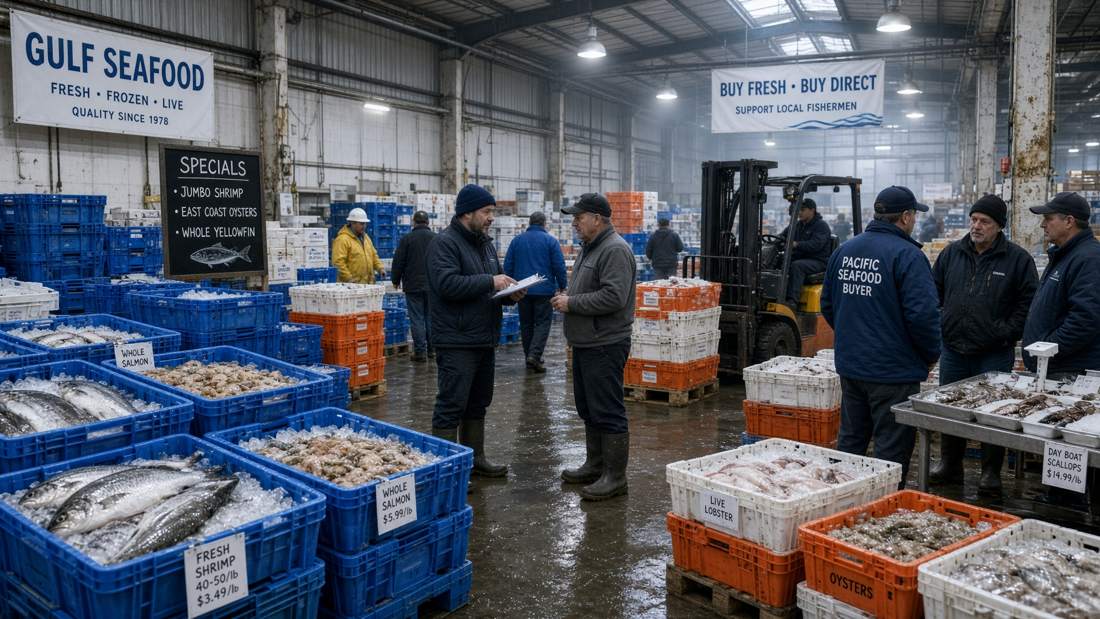
Seafood in Vermont is a landlocked affair, but the state has a strong local-food culture that extends to fish: Lake Champlain's perch, walleye and salmon; farmed trout from Vermont hatcheries; and shares of coastal catch delivered from Maine and Massachusetts. For shoppers, the key is finding sellers who are open about where their fish comes from.
Where to buy seafood in Vermont
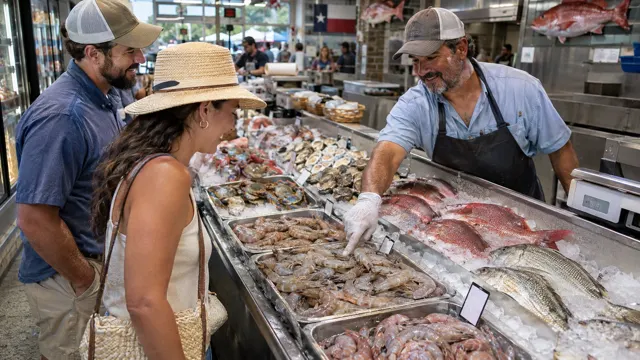
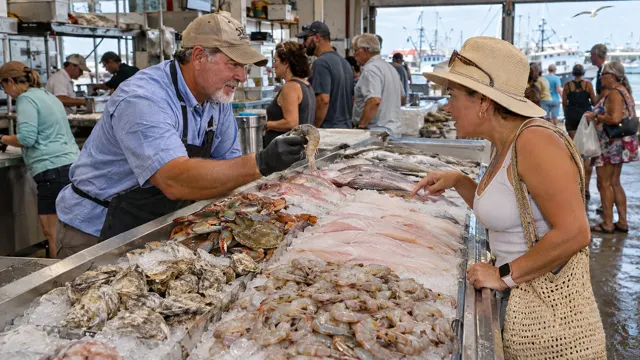
Burlington, Montpelier, Rutland and other towns have supermarkets, co-ops, independent grocers and a few fish shops. Many Vermont co-ops and farmers markets host seafood sellers or community supported fishery pickups, where you pre-pay for a share of a fisher's catch and collect it on a set day; see community supported fisheries explained, the Local Catch Network and the USDA farmers market directory. The Vermont Fresh Network connects farms and restaurants and is a good start for local food sources. The Gulf of Maine Research Institute publishes information on the region's fisheries.
What is local and in season
Lake Champlain supports yellow perch, walleye, lake trout, landlocked salmon and other species for anglers. Vermont trout and other fish are also raised on farms. Most of the saltwater fish and shellfish at Vermont counters comes from the Gulf of Maine and beyond, including haddock, cod, scallops and lobster. Ask whether seafood is from New England waters or imported, and whether it was fresh or frozen on arrival. The best times to buy popular fish helps you plan purchases.
Making a seafood share work
Shares usually deliver a mix of whatever was landed, so be ready to cook what you get. Keep fish refrigerated and plan to use or freeze it within a day or two; see freezer burn causes and prevention for freezing tips. Ask what to do if you cannot pick up on the scheduled day, and whether the program tells you the boat, port and fishing method.
Buying tips
- Use an insulated bag in the car, especially in summer.
- Check the label for country of origin; see COOL labeling.
- Choose frozen fillets when the fresh case looks tired.
Fish consumption advisories and fishing rules
Vermont issues fish consumption advice for waters and species with mercury or other contaminants, including some Lake Champlain fish and inland waters. Check the current guidance from the Vermont Department of Health before eating fish you catch, especially if you are pregnant or feeding children. For store-bought fish, see the FDA advice about eating fish and EPA guidance on choosing fish and shellfish.
Vermont anglers need a fishing license, and seasons, size and creel limits vary by water; confirm current rules at the Vermont Fish and Wildlife Department. Because there is no marine shellfish harvest in Vermont, shellfish sold here comes from other states under the National Shellfish Sanitation Program, and you can read Vibrio risk in oysters before eating them raw.
Shopper resources: markets, sellers and trade groups
- Vermont Fresh Network
- Local Catch Network (community supported fisheries)
- USDA farmers market directory
- Gulf of Maine Research Institute