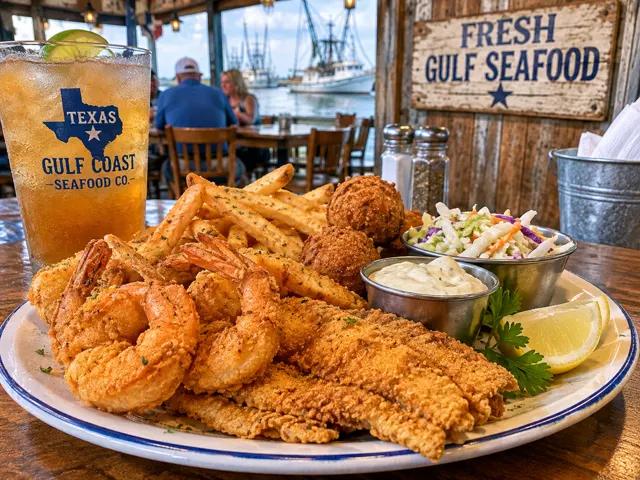
Seafood in Tennessee is bound up with Southern fish-fry traditions: fried catfish with hushpuppies and slaw is a staple of restaurants and church suppers, and anglers pursue catfish, bass, crappie and trout on the state's big lakes and tailwaters. Ocean seafood reaches Tennessee by truck and air, so buying well depends on knowing how to judge fish that has traveled.
Where to buy seafood in Tennessee
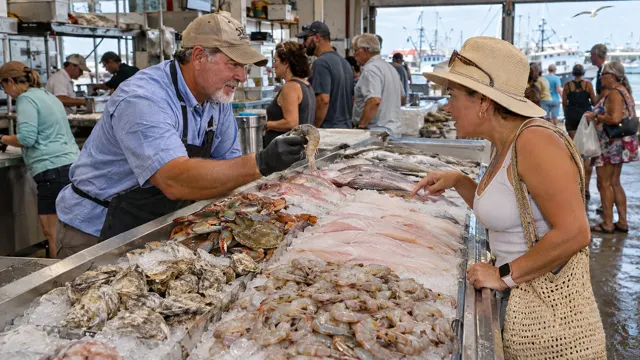
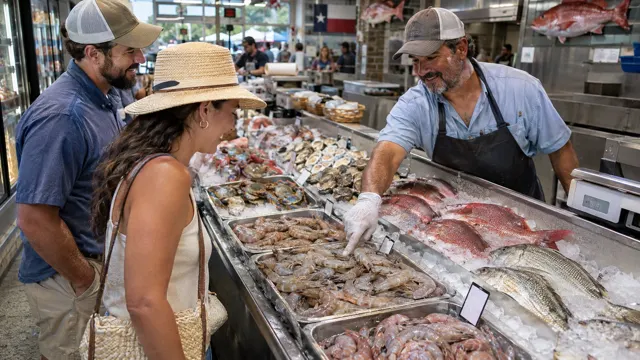
Nashville, Memphis, Knoxville and Chattanooga have supermarket seafood counters, Asian and Latin markets, and specialty shops, and many restaurants buy from the same distributors. Farmers markets sometimes include sellers of fresh or smoked trout and catfish, and some farms sell directly. Catfish is widely available fresh and frozen; most catfish sold in the South is farm-raised, and the Catfish Farmers of America offers background. See how to choose fish at the market for general tips, and community supported fisheries explained if you want a delivery subscription.
What is local and in season
Tennessee's reservoirs and rivers produce catfish, crappie, bluegill, largemouth bass and sauger, and cold tailwater streams hold trout. Reelfoot Lake in the northwest is a well-known fishing destination. Wild freshwater fish are mostly enjoyed by anglers, and the sale of wild-caught game fish is regulated, so be wary of unlicensed sellers. Regional "local" fish for most shoppers is farm-raised catfish or trout, so ask the counter staff where and how it was raised.
Frying and storing catfish
Fresh catfish fillets should be pinkish-white, firm and smell clean. Pat them dry before coating, fry in hot oil until golden and cooked through, and drain on a rack. Refrigerate leftovers promptly and use within a few days. Thaw frozen fillets in the refrigerator; see thawing seafood safely. Wild-caught catfish may taste stronger than farm-raised, which many cooks prefer.
Buying tips
- Ask whether fish is farm-raised or wild-caught and from where.
- Check for tight packaging and no ice crystals on frozen fish.
- Keep fish cold in the car; see transporting seafood in personal vehicles.
Fish consumption advisories and fishing rules
Tennessee has fish consumption advisories for certain waters because of PCBs, mercury and other contaminants. The advisories change, so check the current list from the Tennessee Department of Environment and Conservation and the Tennessee Department of Health before you cook fish you catch. For store-bought fish, see the FDA advice about eating fish and mercury in seafood consumer guidance.
Tennessee anglers need a fishing license and must follow size, creel and gear rules, which vary by water and species. Check the current rules at the Tennessee Wildlife Resources Agency and its fishing page. Tennessee has no marine shellfish harvest, so oysters and shrimp come from other states under the National Shellfish Sanitation Program; read Vibrio risk in oysters before eating raw shellfish.
Shopper resources: markets, sellers and trade groups
- Catfish Farmers of America
- USDA farmers market directory
- LocalHarvest (farm and market finder)
- Seafood Watch ratings