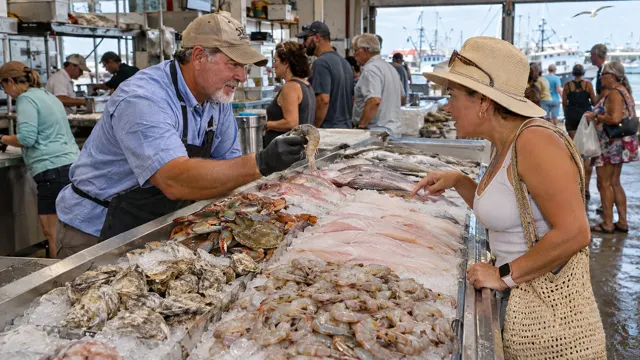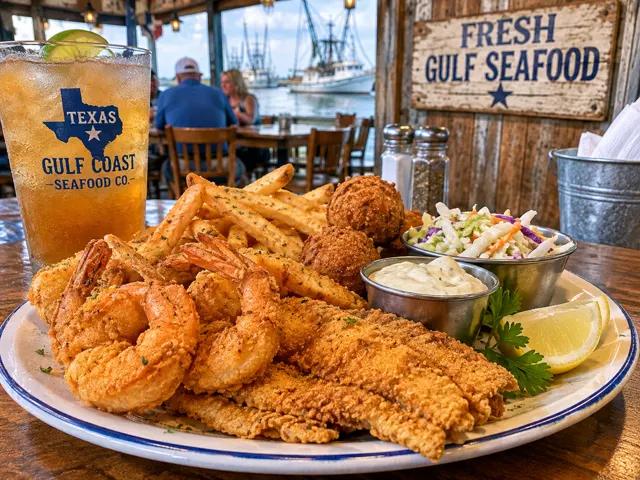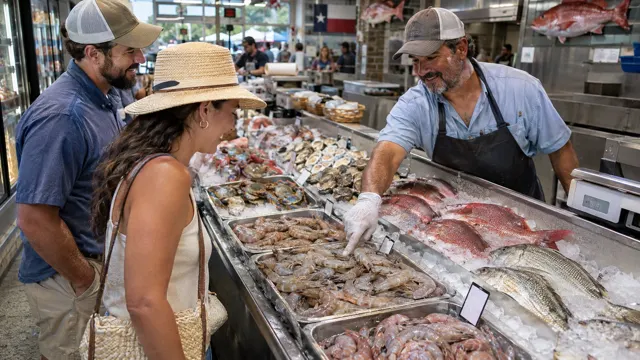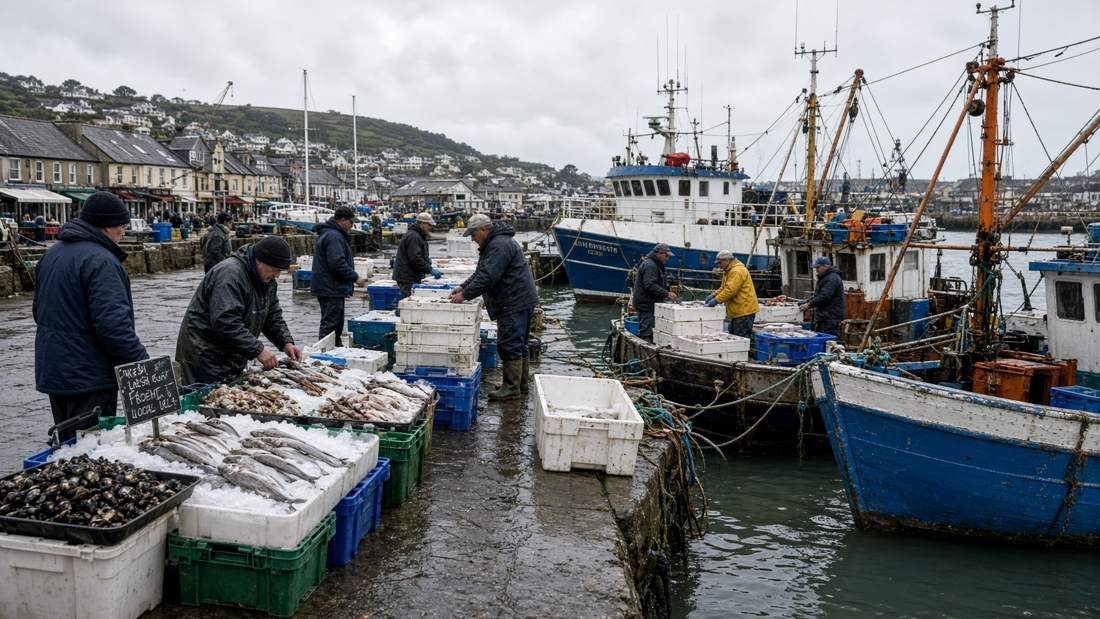
Seafood in South Carolina is Lowcountry food: shrimp, oysters, blue crab, flounder, and offshore fish like grouper, snapper and wreckfish. Shrimp boats in places such as Mount Pleasant, Georgetown and Beaufort sell off the dock, and local shrimp, crab and fish are part of dishes from shrimp and grits to she-crab soup.
Where to buy seafood in South Carolina
Look for shrimp docks and fish markets along the coast, where boats unload and sell directly, and for independent fish shops in Charleston, Beaufort, Myrtle Beach and Georgetown. Supermarkets across the state carry seafood, and farmers markets and community supported fisheries bring local catch to inland towns; see community supported fisheries explained and the Local Catch Network. The Wild American Shrimp program helps shoppers identify domestic wild shrimp, and the South Carolina Sea Grant Consortium offers coastal seafood information.
What is local and in season
Shrimp are caught in the sounds and nearshore waters, with a spring white shrimp season and a larger fall catch; exact openings are set by the state and change, so check current notices. Oysters are harvested in cooler months, in clusters from tidal creeks, and recreational harvest is limited to certain areas and seasons. Blue crabs, clams, flounder, mullet and spot are other coastal products, and offshore boats land grouper, snapper, triggerfish and wreckfish. Ask your seller what is in season now.
Buying local shrimp
Ask whether shrimp are fresh local or were previously frozen, and whether they are head-on, which spoils faster. Fresh shrimp should smell mild and look translucent, with no black spots or mushy texture. Cook within a day or two, or freeze. See shrimp handling and peeling best practices.
Buying tips
- Ask for the landing location and date.
- Buy oysters only from licensed dealers; check that shellfish are tagged.
- Use the cold chain from boat to plate as a guide for icing and packing.
Fish consumption advisories and fishing rules
South Carolina issues fish consumption advisories for certain freshwater and tidal waters, usually due to mercury. Check the current advisories from the South Carolina Department of Environmental Services and the Department of Public Health before eating fish you catch. For store-bought fish, see the FDA advice about eating fish.
Saltwater fishing generally requires a recreational license, and shellfishing has separate rules and closures; check the current requirements at the South Carolina Department of Natural Resources marine page. Shellfish areas are classified and closed according to water testing, and recreational harvest is limited to open areas, so check the current notices before gathering. The National Shellfish Sanitation Program and shellfish harvest area classifications explain the system.
Shopper resources: markets, sellers and trade groups
- Wild American Shrimp
- South Carolina Sea Grant Consortium
- Local Catch Network (community supported fisheries)
- LocalHarvest (farm and market finder)