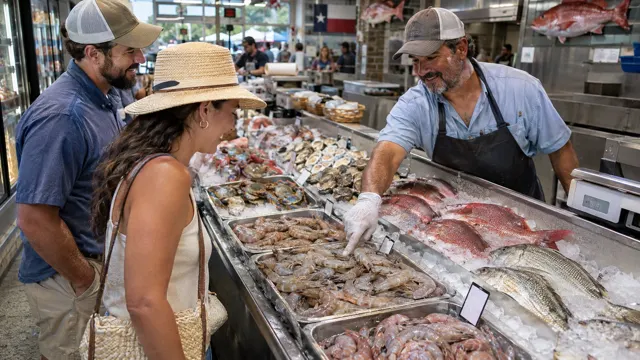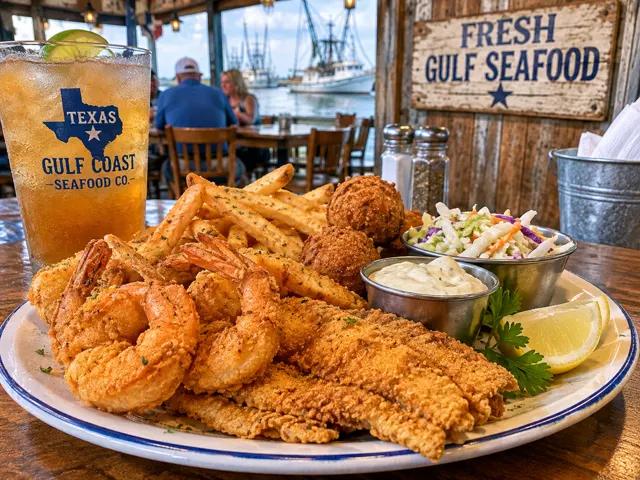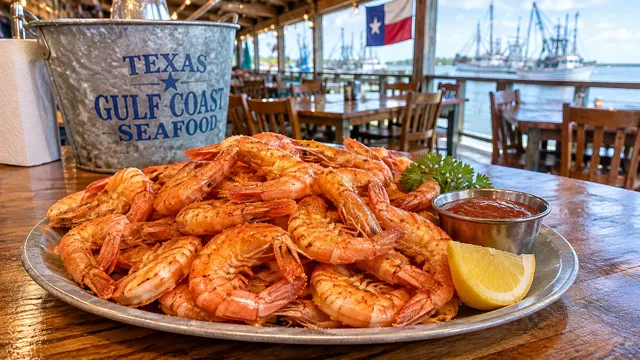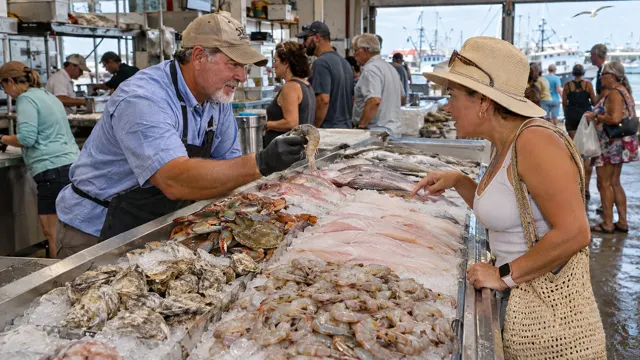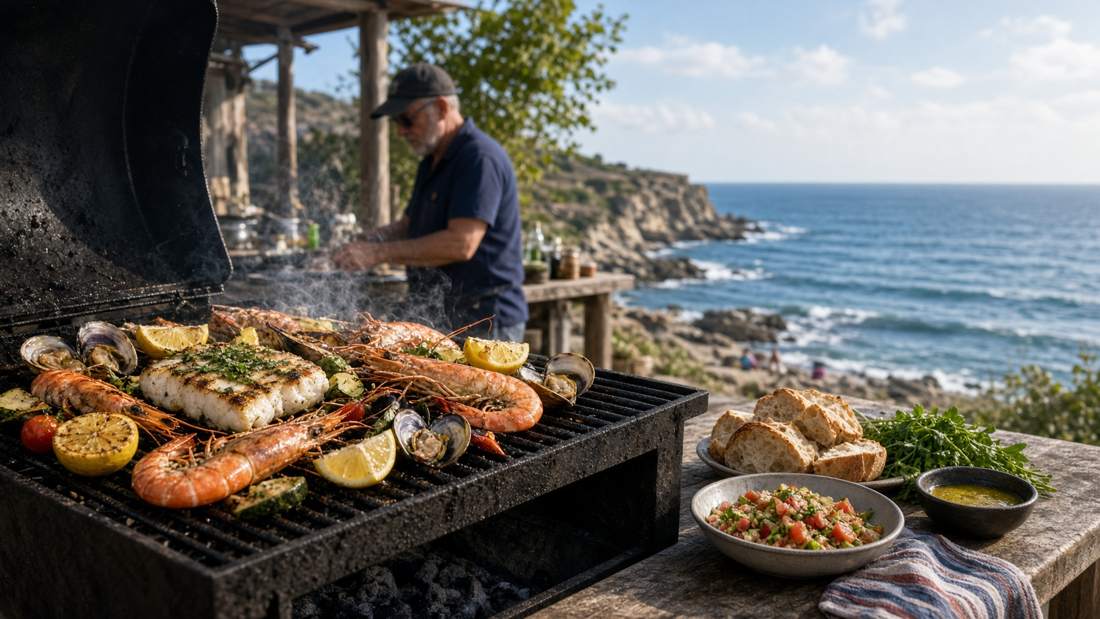
Seafood in Puerto Rico is central to island food, from fried fish and whole snapper in seaside kiosks to lobster, conch and shrimp in family recipes. Fishers work small boats around the coast, many sell through local fishing associations called cofradias, and the island also imports large volumes of fish and seafood from the mainland and abroad.
Where to buy seafood in Puerto Rico
Look for fishing villages and coastal towns where fishers and cofradias sell the day's catch, small pescaderias (fish shops) in towns and cities, and supermarkets with fresh and frozen seafood counters. Roadside kiosks and food stalls, such as the well-known fried-food kiosks of Pinones, are good places to eat local fish prepared on the spot. Ask in each community where fishers sell; the best sources are often local knowledge. Because the island imports so much seafood, ask whether an item is local or imported.
What is local and in season
Local catches include mahi-mahi (called dorado), snapper (chillo), kingfish, tuna, wahoo and grouper, plus spiny lobster (langosta), conch (carrucho) and shrimp. Some species have closed seasons, size limits or protections to prevent overfishing, and rules change, so check the current regulations if you are buying or harvesting. If you want to learn how seasons shape supply, see the best times to buy popular fish and closed seasons and marine protected areas. Frying whole snapper or roasting fish with garlic and olive oil are traditional preparations.
Ciguatera and reef fish
Ciguatera poisoning, caused by toxins that build up in some large reef fish, is a known risk in the Caribbean. It cannot be detected by smell, taste or cooking. Local fishers and health officials know which species and locations are higher risk; ask before you buy, avoid large predatory reef fish when advised, and seek care if you develop symptoms. The FDA describes the hazard in its fish and fishery products hazards guidance.
Buying tips
- Ask how long the fish has been out of the water and keep it on ice.
- Look for clear eyes, red gills and firm flesh; see recognizing freshness in fish.
- In hot weather, plan the purchase right before cooking.
Fish consumption advisories and fishing rules
For advice on local fish consumption, contaminants and ciguatera, check current guidance from the Puerto Rico Department of Health (Departamento de Salud). For store-bought fish, see the FDA advice about eating fish. Fishing and shellfish rules, licenses, closed seasons and protected species are set by the Department of Natural and Environmental Resources (DRNA) and federal agencies; check current requirements before fishing or harvesting.
Federal management in Caribbean waters is handled by the Caribbean Fishery Management Council and NOAA Fisheries Southeast Region. The Puerto Rico Sea Grant program offers resources for communities and consumers. Shellfish safety follows the National Shellfish Sanitation Program, and you should ask sellers about the source of shellfish before eating it raw.
Shopper resources: markets, sellers and trade groups
- Puerto Rico Sea Grant
- LocalHarvest (farm and market finder)
- Seafood Watch ratings
- NOAA FishWatch species profiles