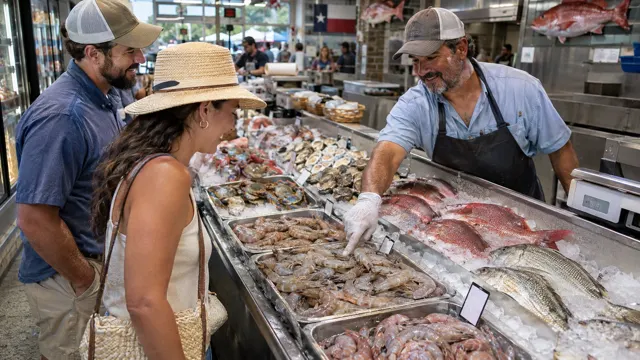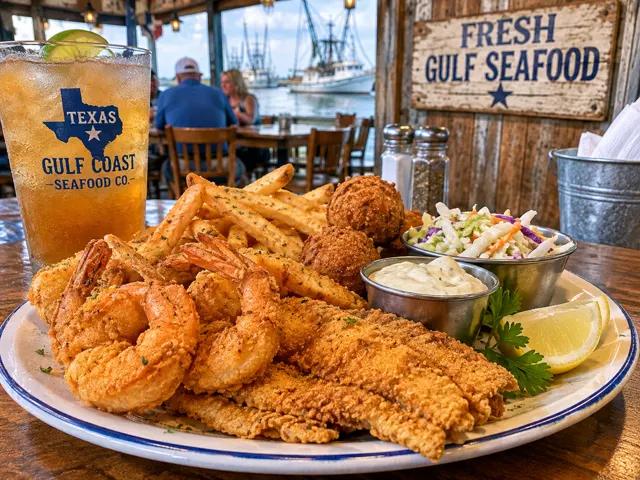
Seafood in North Carolina runs from the Outer Banks to the Cape Fear coast, and the state has a well-organized "buy local" network. Shrimp, flounder, oysters, blue crab, clams, mullet and a long list of offshore fish such as tuna, mahi-mahi and grouper make up the regional catch, and many coastal families still buy directly from the boat or dock.
Where to buy seafood in North Carolina
Coastal communities including Wanchese, Hatteras, Morehead City, Beaufort, Southport and Calabash have fish houses, docks and independent markets selling the day's catch. NC Catch is a nonprofit that promotes local, wild-caught North Carolina seafood and helps shoppers find sellers, and Visit North Carolina lists coastal food destinations. Inland, supermarkets, farmers markets and community supported fisheries bring coastal fish to places like Raleigh, Charlotte and the Triangle; see community supported fisheries explained and the Local Catch Network.
What is local and in season
North Carolina shrimp (brown, white and pink) are caught in sounds and nearshore waters in warm months, and shrimp sold as "local" should come with an answer about where and when it was landed. Flounder, spot, croaker and mullet have strong regional followings, and North Carolina oysters grow in the sounds and on coastal leases, with harvest rules tied to water quality and seasons. Blue crabs, soft crabs and clams are other regional staples. Offshore, mahi-mahi, tuna, wahoo, grouper and snapper are caught from charter and commercial boats, and many of those species have catch limits that change.
Telling local from imported
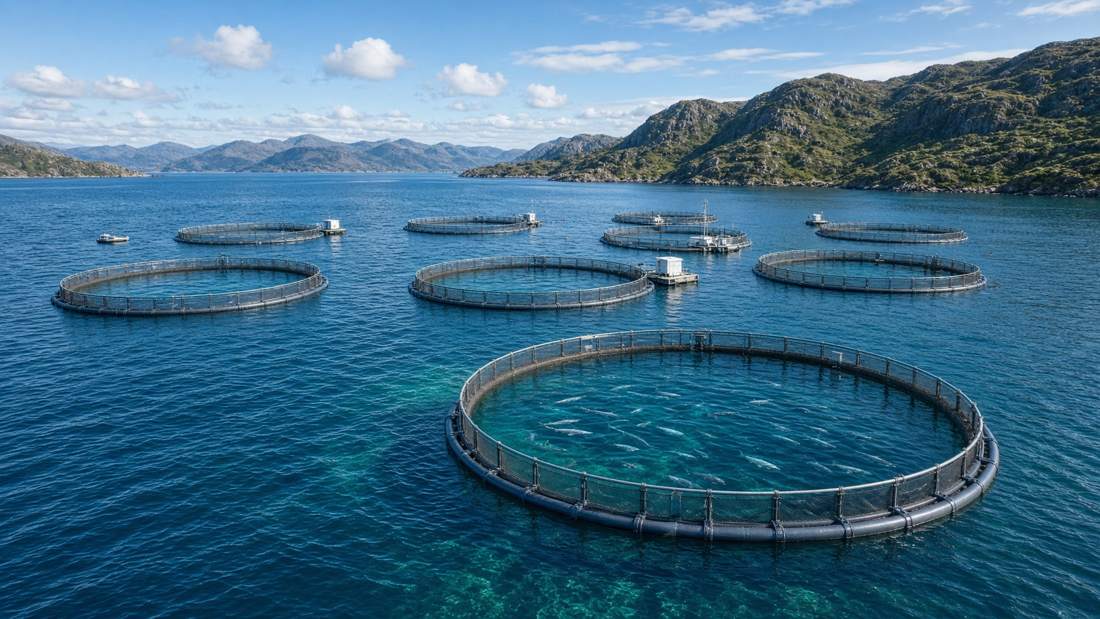
Much of the shrimp and fish in stores is imported, so ask where the product was caught and whether it is wild or farmed. Labels should give country of origin; country of origin labeling explains the rules. Local sellers will often name the boat or fish house. When in doubt, ask when it came off the boat.
Buying checklist
- Look for sellers who can name the species, fishing method and landing date.
- Buy oysters and clams only from licensed dealers; check that they are tagged.
- Keep seafood cold on drives from the coast to inland homes.
Fish consumption advisories and fishing rules
North Carolina issues advice on eating fish from certain waters and on mercury in some species, such as king mackerel and large sharks. Check the current guidance from the North Carolina Department of Health and Human Services before eating fish you catch, especially if you are pregnant or feeding children. For store-bought fish see the FDA advice about eating fish.
Coastal saltwater fishing generally requires a Coastal Recreational Fishing License through the NC Division of Marine Fisheries, which also manages seasons, size limits and shellfish sanitation closures. Freshwater fishing is managed by the NC Wildlife Resources Commission. Rules and exemptions change, so check the current requirements. Shellfish areas close and reopen according to water testing; read shellfish harvest area classifications and see the National Shellfish Sanitation Program.
Shopper resources: markets, sellers and trade groups
- NC Catch
- Visit North Carolina
- Local Catch Network (community supported fisheries)
- LocalHarvest (farm and market finder)