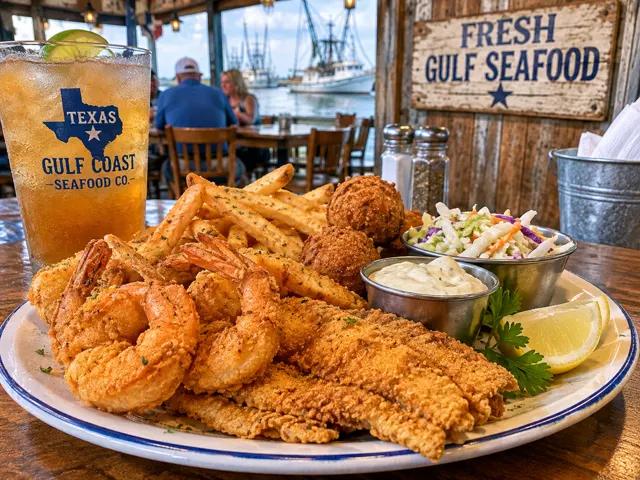
North Dakota is walleye country. Lake Sakakawea, Devils Lake and other big waters draw anglers for walleye, northern pike, perch and salmon, and fish fries are common in small-town restaurants and church basements. For shoppers, though, the state is landlocked, so most ocean seafood arrives frozen or by truck, and the key skill is knowing how to buy fish that has traveled.
Where to buy seafood in North Dakota
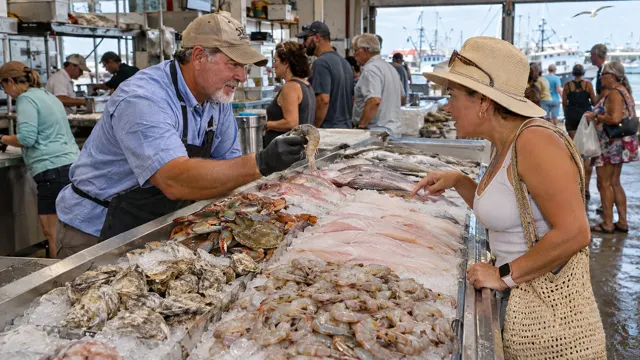
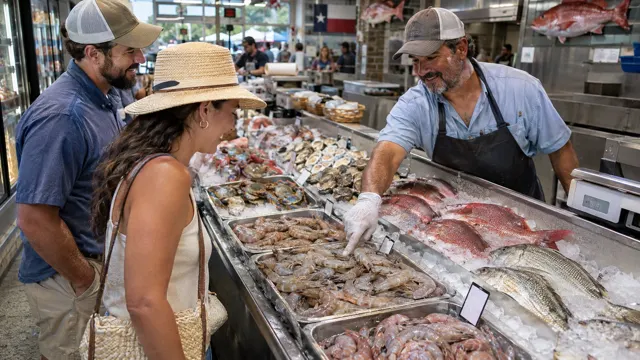
Fargo, Bismarck, Grand Forks and Minot have supermarket seafood counters and a few specialty or ethnic grocers; smaller towns rely mostly on supermarkets and frozen sections. Warehouse clubs sell large frozen packs of salmon, shrimp and cod at lower per-pound prices. Farmers markets sometimes feature a vendor of smoked or frozen fish, but check that the fish comes from a licensed, inspected source. Online sellers ship frozen and fresh fish on ice; see buying seafood online for what to check.
What is local
Wild walleye, pike and perch are mainly caught by anglers rather than sold commercially, and selling wild-caught freshwater game fish is regulated, so be wary of informal sales. Paddlefish are snagged on the Missouri-Yellowstone confluence under a permit or tag system, so check current state rules, and trout and salmon are stocked in some waters. The practical result for shoppers is that restaurants and supermarkets supply most of the fish, and local fish are enjoyed through fishing, gifts and fish fries.
Choosing fish when you are far from the coast
Ask the counter staff what arrived when. Frozen-at-sea or individually quick-frozen fillets are often better than "fresh" fish that has been shipped for days; fresh versus frozen explains why. Thaw frozen fish in the refrigerator overnight, and cook it within a day or so; see thawing seafood safely. In winter, avoid letting fish freeze and thaw repeatedly in the trunk of the car.
Quick checks
- Smell: fresh fish smells mild and clean, not sharp or ammonia-like.
- Packaging: frozen packages should be solid with no frost buildup.
- Label: look for wild or farmed and country of origin.
Fish consumption advisories and fishing rules
If you eat fish you caught in North Dakota, check current fish consumption advisories, which vary by water and species and can change, with the North Dakota Department of Health and Human Services and the North Dakota Department of Environmental Quality. For store-bought fish, the FDA advice about eating fish and EPA guidance on choosing fish and shellfish give serving advice for children and pregnant women.
Anglers need a North Dakota fishing license and must follow limits, seasons and special rules for particular waters, including rules to prevent the spread of aquatic nuisance species. Check current regulations at the North Dakota Game and Fish Department. Because there is no marine shellfish harvest, shellfish sold in the state is covered by source-state controls under the National Shellfish Sanitation Program.
Shopper resources: markets, sellers and trade groups
- USDA farmers market directory
- LocalHarvest (farm and market finder)
- Local Catch Network (community supported fisheries)
- Seafood Watch ratings