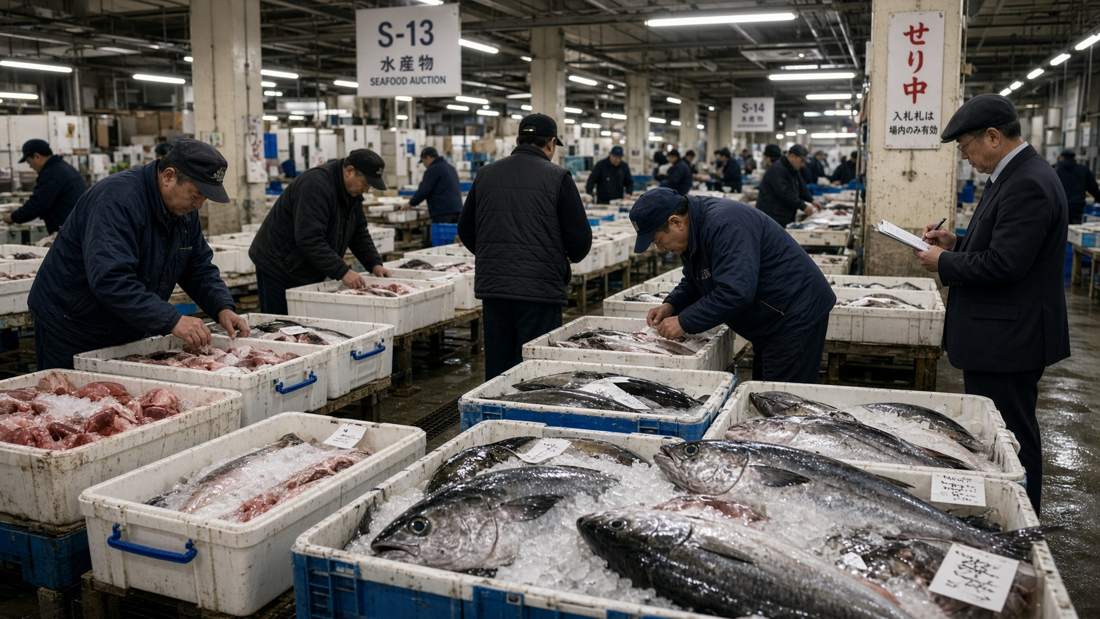
Seafood in Utah starts with mountain trout, which anglers pull from rivers such as the Provo and Green and from reservoirs across the state. Utah is also home to the Great Salt Lake, whose brine shrimp are harvested commercially, but mostly for aquaculture feed and eggs rather than for dinner plates. For shoppers, ocean seafood arrives by truck and air from distant ports.
Where to buy seafood in Utah
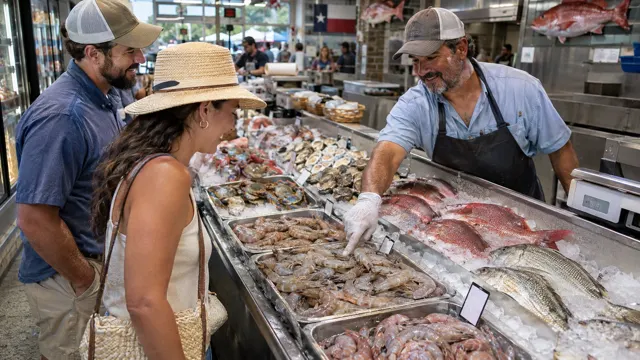
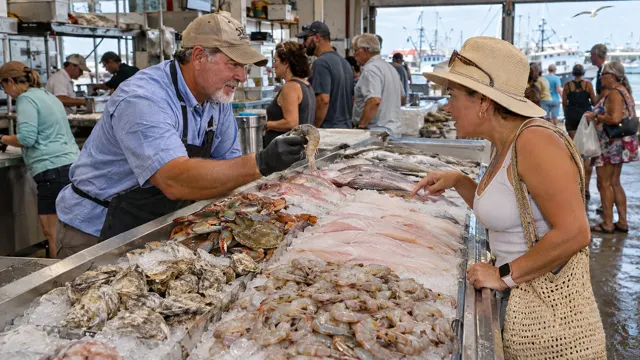
The Wasatch Front, from Ogden through Salt Lake City to Provo, has the best selection: supermarkets, Asian and Latin groceries, specialty shops and warehouse clubs. Smaller towns rely mostly on supermarkets and frozen sections. Farmers markets sometimes feature trout or smoked fish vendors; ask where the fish came from. The U.S. Trout Farmers Association offers background on farmed trout, and the Local Catch Network lists subscription programs that deliver coastal fish inland. For ordering online, see what to check when buying seafood online.
What is local
Rainbow, brown and cutthroat trout, plus kokanee, bass, walleye, perch and catfish, are caught in Utah waters. Much of the trout eaten in the West comes from farms rather than the wild; ask whether trout is farmed or wild and where it was raised. Fish stocking helps supply anglers, and some waters have special regulations. The Great Salt Lake's brine shrimp industry is real but is not a seafood counter item, so be skeptical of "Great Salt Lake seafood" claims.
Buying trout and other fillets
Whole trout should have clear eyes, bright skin and a clean smell. Fillets should be moist and firm. If you buy frozen, look for sealed packaging and no frost crystals; see fresh versus frozen. Because Utah is far from the coast, the cold chain from boat to plate explains why handling matters.
Counter questions
- When was this fish delivered, and was it frozen first?
- Is it farmed or wild, and from which state or country?
- Is the trout head-on, boneless or pan-ready?
Fish consumption advisories and fishing rules
Utah issues fish consumption advisories for certain waters, often because of mercury. The advisories change, so check current guidance from the Utah Department of Environmental Quality and the Utah Department of Health before eating fish you catch. For store-bought fish, see the FDA advice about eating fish and EPA guidance on choosing fish and shellfish.
Anglers need a Utah fishing license, and limits, bait rules and special-regulation waters vary. Check the current rules with the Utah Division of Wildlife Resources. Utah has no marine shellfish harvest; shellfish in stores comes from other states under the National Shellfish Sanitation Program, and Vibrio risk in oysters explains precautions for raw oysters.
Shopper resources: markets, sellers and trade groups
- U.S. Trout Farmers Association
- USDA farmers market directory
- LocalHarvest (farm and market finder)
- Local Catch Network (community supported fisheries)