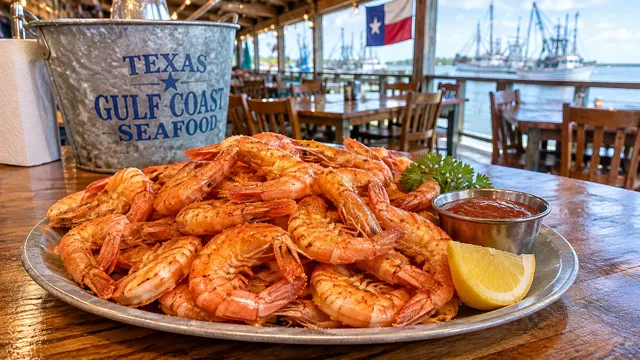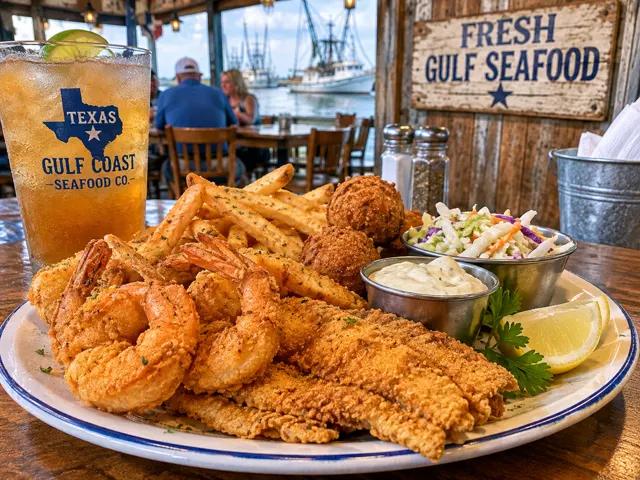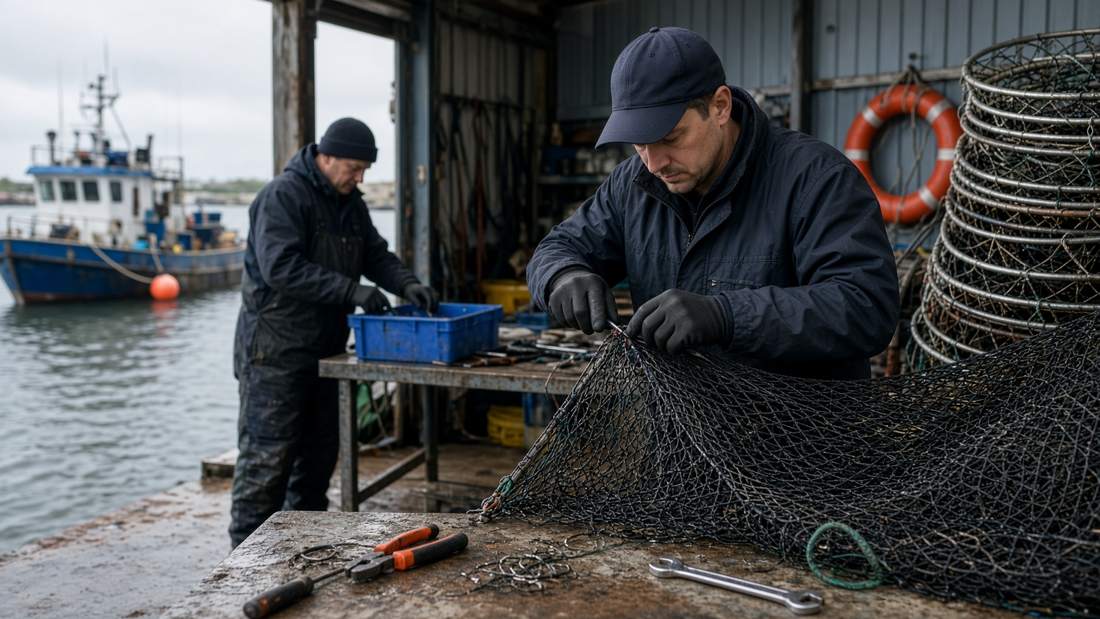
Seafood in Texas runs along 367 miles of Gulf coast, from Port Arthur and Galveston through Matagorda, Port Aransas and Port Isabel to Brownsville. Shrimp boats, oyster reefs and fish houses supply a state that eats seafood in boils, tacos, fried baskets and ceviche.
Where shoppers find it
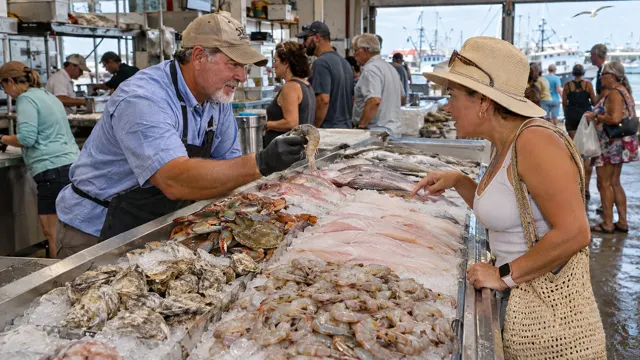
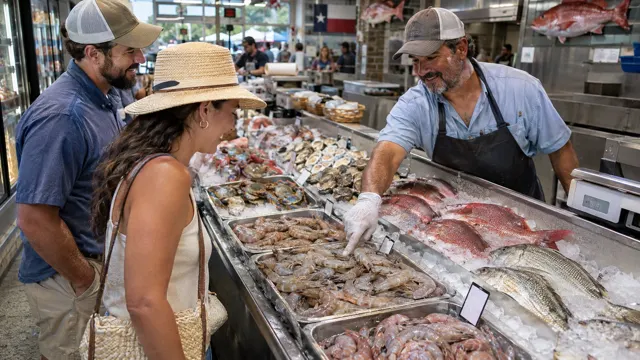
Look for dockside shrimp markets in Galveston, Seabrook, Rockport, Port Isabel and Brownsville, where boats sell directly. Houston is a major seafood hub with large Asian and Latin markets and independent shops, and Dallas, Austin and San Antonio have strong fish counters. GO TEXAN, the state's buy-local program, helps shoppers find Texas-made food. Wholesale buyers use licensed dealers, but retail customers can often buy from the same docks.
What to look for through the year
Gulf shrimp is the marquee catch, and Texas has seasonal shrimp closures to let shrimp grow, so supply and sizes change by season; check Texas Parks and Wildlife for current closure dates. Galveston Bay and other bays produce oysters, blue crab is common, and redfish, speckled trout and flounder are mostly recreational, with limits on sale. Red snapper, mahi-mahi, wahoo and tuna come from offshore. Rio Grande Valley shrimp and ceviche are local specialties.
Shrimp count and origin
Shrimp are sold by count per pound, such as 16/20 or 31/40, with smaller numbers meaning bigger shrimp. Ask whether they are wild Gulf or imported farmed, and whether they were frozen on the boat. Heads-on shrimp should be firm with no black spots or ammonia odor.
At the counter: checks and questions
- Ask the count per pound and compare by that number, not just by price.
- Buy oysters in cooler months and from tagged bags.
- Check that live crabs are lively.
Health and legal basics
The state parks and wildlife department regulates saltwater fishing and licenses, and the health department's shellfish program classifies harvest areas and issues closures after storms or red tide. Check current closures before gathering oysters or clams. Sellers need the right licenses.
For more detail, these guides help: Vibrio and oysters, shrimp handling and southern seafood culture.
Shopper resources: markets, sellers and trade groups
- GO TEXAN (Texas buy-local program)
- Gulf Coast Seafood Alliance
- Wild American Shrimp
- Local Catch Network (community supported fisheries)