Seafood in West Virginia is mountain seafood: stocked trout, river and lake catfish, bass and walleye, and the fish fries that come with them. The state has no coast, so ocean seafood arrives by truck, and shoppers tend to rely on supermarkets, warehouse clubs and the occasional specialty store.
Where to buy seafood in West Virginia
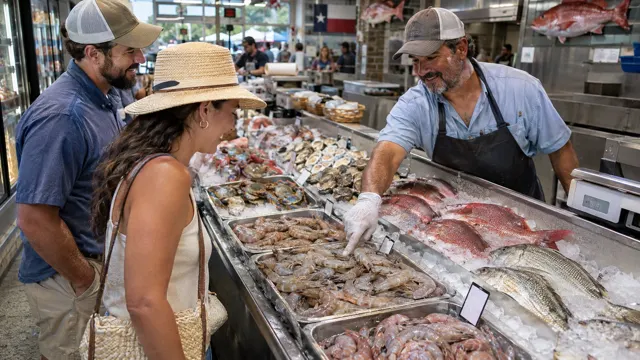
Charleston, Huntington, Morgantown, Wheeling and Martinsburg have supermarket seafood counters and some specialty and ethnic grocers; smaller communities mostly have frozen sections and canned fish. Farmers markets sometimes include trout sellers, and a few trout farms sell directly to the public. Ask whether fish came from a licensed, inspected source. Online sellers ship frozen and fresh seafood on ice; see what to check when buying seafood online. For subscription deliveries, community supported fisheries explained and the Local Catch Network are useful starting points.
What is local
West Virginia agencies stock trout in streams and lakes, and anglers also catch smallmouth and largemouth bass, muskie, walleye, catfish and panfish. Most wild freshwater fish are enjoyed by anglers, and the sale of wild game fish is regulated, so avoid informal sellers who cannot show a license. Trout raised in hatcheries and farms appear in some stores. As in other inland states, the supermarket seafood case is mostly imported or shipped from distant ports.
Buying fish far from the coast
Judge fish by smell and appearance: it should smell mild, look moist, and not have gaps in the flesh. If frozen, packages should be solid with no frost inside. Thaw fish in the refrigerator, not on the counter; see thawing seafood safely. On mountain roads and in summer heat, keep seafood in a cooler; transporting seafood in personal vehicles has details.
Buying tips
- Ask when the fish arrived and whether it was frozen first.
- Check the label for country of origin and wild or farmed.
- Plan fish dinners soon after shopping.
Fish consumption advisories and fishing rules
West Virginia issues fish consumption advisories for some waters because of mercury and other contaminants. Check current guidance from the West Virginia Department of Health and the West Virginia Department of Environmental Protection before eating fish you catch. For store-bought fish, see the FDA advice about eating fish and EPA guidance on choosing fish and shellfish.
West Virginia anglers need a fishing license, with trout stamps and special rules in some waters. Check the current rules at the West Virginia Division of Natural Resources fishing site. Because West Virginia has no marine shellfish harvest, shellfish sold here comes from other states under the National Shellfish Sanitation Program; see Vibrio risk in oysters before eating raw oysters.
Shopper resources: markets, sellers and trade groups
- USDA farmers market directory
- LocalHarvest (farm and market finder)
- Local Catch Network (community supported fisheries)
- Seafood Watch ratings