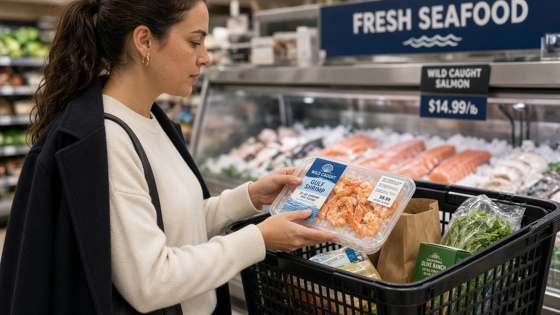
Walk up to a seafood counter and you will meet the farmed vs wild seafood question within seconds: two similar fillets, two different prices, two stories. Sellers present each differently, and the stories are not always complete. Here is how to read them, so you can choose by what you are cooking and what you value rather than by the pitch.
How wild seafood is presented
Wild-caught seafood is usually sold on its connection to place and season: a named fishery, a region, a boat. Marketing leans on words like "natural," "line-caught," or "wild." Prices tend to be higher and vary through the year because supply depends on seasons and catch limits. The flavor and texture of a wild fish can vary with its diet and the season, which many cooks enjoy.
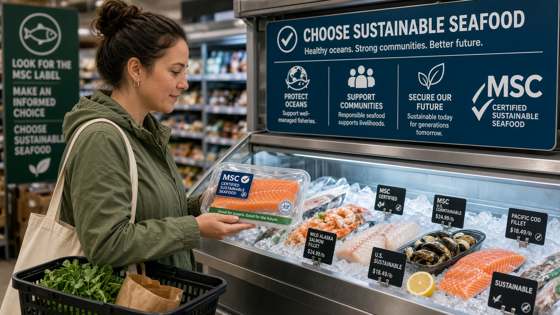
Not all wild fish is a good choice. Some fisheries are well managed, and some are overfished or use gear that catches unintended species. To check, look at Seafood Watch or the Marine Stewardship Council, and read how your fish was caught for the gear side.
How farmed seafood is presented
Farmed seafood is sold on consistency and availability: the same size, same fat content, same price most of the year. Marketing may highlight careful feed, clean water or certification. Farmed fish is often more affordable and easier to find fresh. As with wild, farms vary widely. Some are well run and some cause environmental problems. Certifications like the Aquaculture Stewardship Council can help, and you can learn the basics on the NOAA aquaculture page.
Farmed vs wild seafood: practical differences for cooks
Farmed vs wild seafood: taste and texture
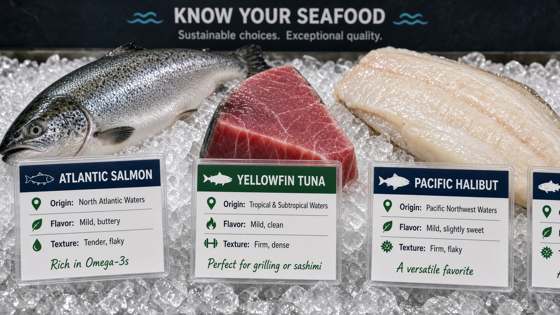
Farmed salmon is typically fattier and milder, which makes it forgiving and good for roasting and baking. Wild salmon is leaner and more strongly flavored, and overcooks faster. Cook it gently and pull it from the heat early.
Price and availability
Farmed products tend to be cheaper and consistently available. Wild products can spike in price and disappear out of season. See seasonal pricing fluctuations for timing.
Nutrition and safety
Both farmed and wild fish can be part of a healthy diet, and nutrient levels vary by species and diet. For guidance on how often to eat different fish, especially for pregnant women, nursing mothers and children, see the FDA advice about eating fish.
Reading the label
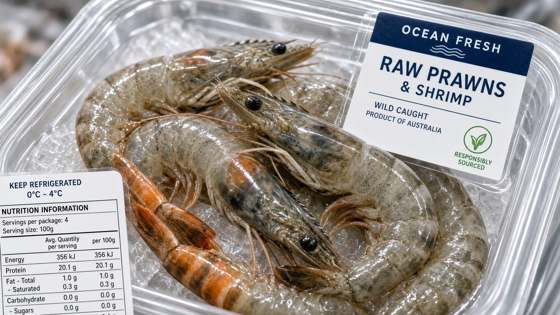
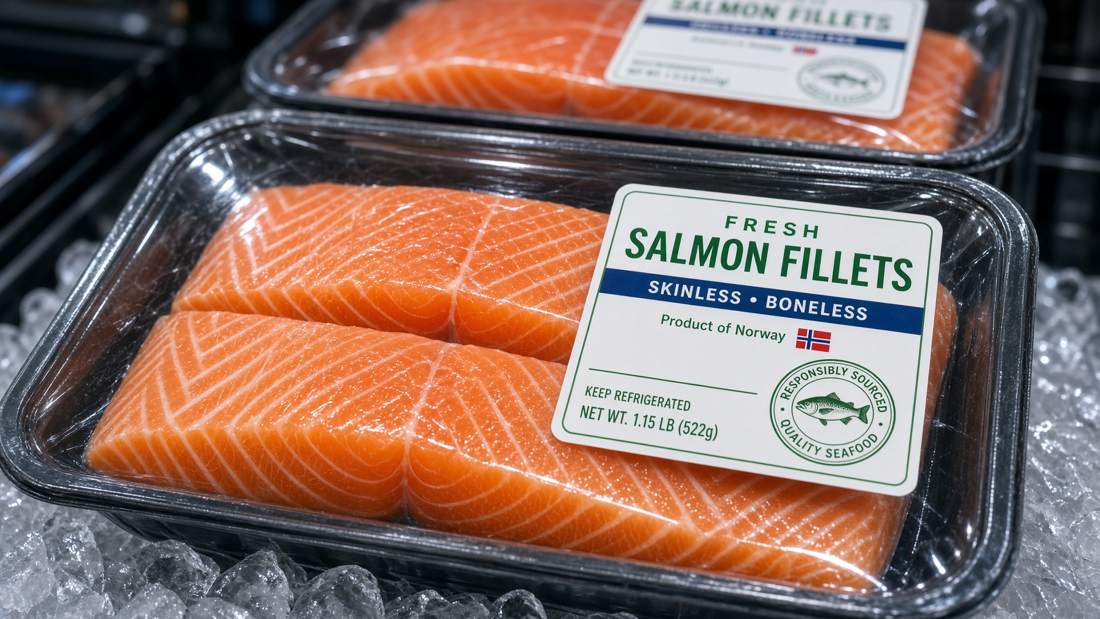
- Look for "wild-caught" or "farm-raised." In the US, many seafood products must state this along with the country of origin.
- Check the species and where it came from.
- Ask what the fish was fed, how it was caught or whether the farm is certified.
- Be cautious with prices that seem too good for "wild" salmon or other premium species. Our piece on avoiding fraudulent seafood substitution explains why.
Choosing for the meal
- Weeknight roasting or baking: farmed is easy and forgiving.
- Simple, special-occasion dishes: wild fish in season can be worth the splurge.
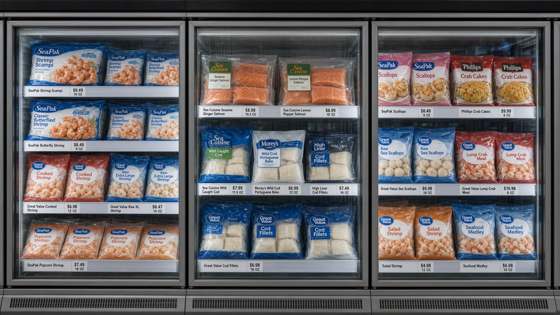
- Budget meals: farmed fish or well-chosen frozen fillets stretch the dollar.
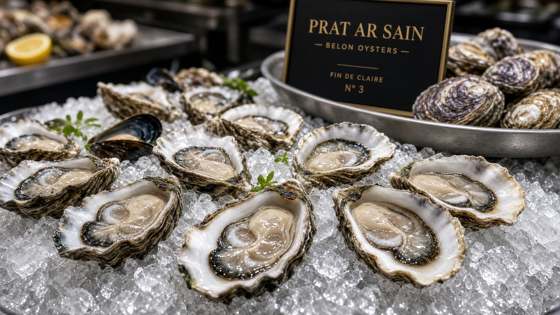
- Shellfish: many oysters, mussels and clams are farmed and considered good environmental choices, though origin and handling still matter.
There is no universal winner in farmed vs wild seafood. Each can be a fine or a poor choice depending on the fishery or farm. Ask good questions, check a trusted guide, and buy the one that suits both the recipe and your budget.