Seafood in Nebraska is a mix of imported ocean fish bought at supermarkets and specialty counters, and freshwater fish caught in the Missouri River and the state's reservoirs. With no coastline, nearly all saltwater seafood here has traveled by truck or air, so how it was handled on the way matters more than where the store is.
Where Nebraskans buy seafood
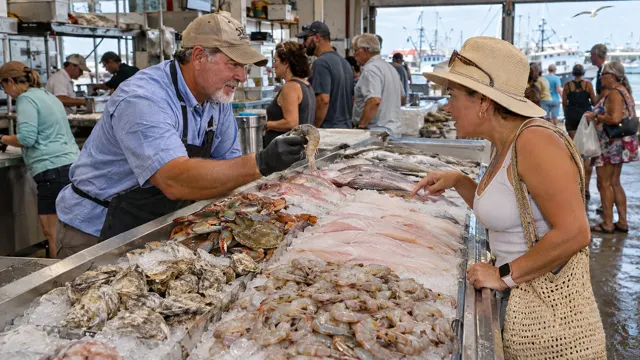
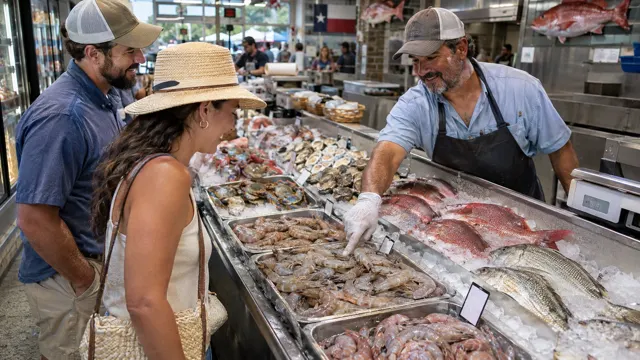
Omaha has the widest choice: full-service supermarket seafood counters, Asian and Latin grocers that carry whole fish and shellfish, and a few independent fish shops. Lincoln and larger towns lean on supermarkets and warehouse clubs, where frozen fillets, shrimp and canned fish are the staples. Farmers markets occasionally have a vendor selling frozen or smoked fish, so ask where it was caught or raised. You can also order online from sellers that ship on ice; see what to check when buying seafood online before you pay.
Fish with a Nebraska connection
The Missouri River and large reservoirs are known for catfish, walleye, white bass, crappie and wiper. Most of that fish is caught by anglers rather than sold in shops, and rules on selling or trading wild-caught freshwater fish vary, so never assume a roadside offer is legal or safe. Trout and other species are raised in small Nebraska aquaculture operations, and some waters are stocked with salmon for anglers. Treat any claim about a specific "local" catch as something to ask the seller about.
Making the most of fish that travels far
Ask which day fresh fish arrives and plan dinner for that day or the next. A good fillet looks moist and firm, smells clean and mild, and springs back when pressed. For frozen fish, check for tightly sealed packaging, no frost crystals and no ice stuck to the bag. Thaw in the refrigerator, not on the counter. In a landlocked state, frozen is often the better buy, because fish frozen soon after harvest can beat "fresh" fish that sat in transit. Fresh versus frozen explains the trade-offs.
Shopper checklist
- Bring a cooler bag in warm months and go straight home from the store.
- Ask whether fish labeled fresh was previously frozen and thawed.
- Check the label for country of origin and wild or farmed status; COOL labeling covers how that works.
- Cook or freeze fresh fish within a day or two of purchase.
Fish consumption advisories and fishing rules
If you or your family eat fish caught in Nebraska lakes and rivers, look up current fish consumption advisories before cooking it. They are tied to specific waters and species and can change, so check the current notices from the Nebraska Department of Environment and Energy and the Nebraska Department of Health and Human Services. For store-bought fish, the FDA advice about eating fish and EPA guidance on choosing fish and shellfish cover mercury and serving sizes for children and pregnant women.
Anglers need a Nebraska fishing permit and must follow size, bag and possession limits, which are set by the state Game and Parks Commission. Rules change by water and by year, so check the current regulations on the commission's official site before you go; the State of Nebraska portal links to state agencies. Because Nebraska has no marine shellfish harvest, shellfish sold here is regulated at the source state and by retail food rules; the National Shellfish Sanitation Program explains the system.
For more buying advice, try recognizing freshness in fish, thawing seafood safely and how to choose fish at the market.
Shopper resources: markets, sellers and trade groups
- USDA farmers market directory
- LocalHarvest (farm and market finder)
- Local Catch Network (community supported fisheries)
- Monterey Bay Aquarium Seafood Watch ratings