Seafood in the United States is sold through a patchwork of dockside sellers, fish markets, supermarkets, wholesale distributors and shipped subscriptions. This national page collects resources that help shoppers find local fish, understand labels and check safety, with state pages linked from the directory for place-specific detail.
Where shoppers find it
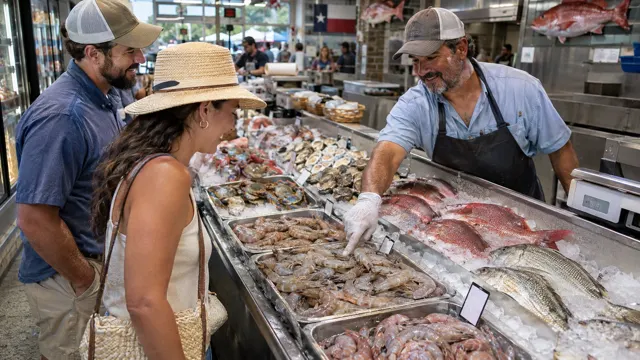
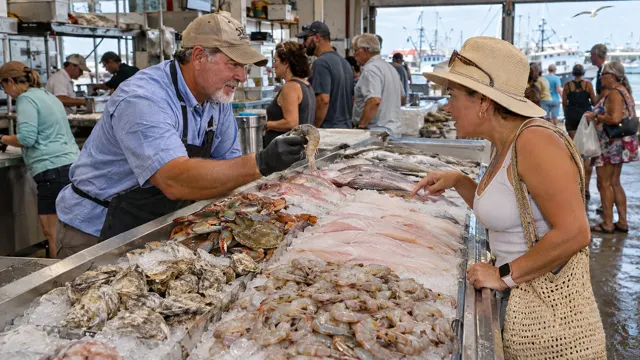
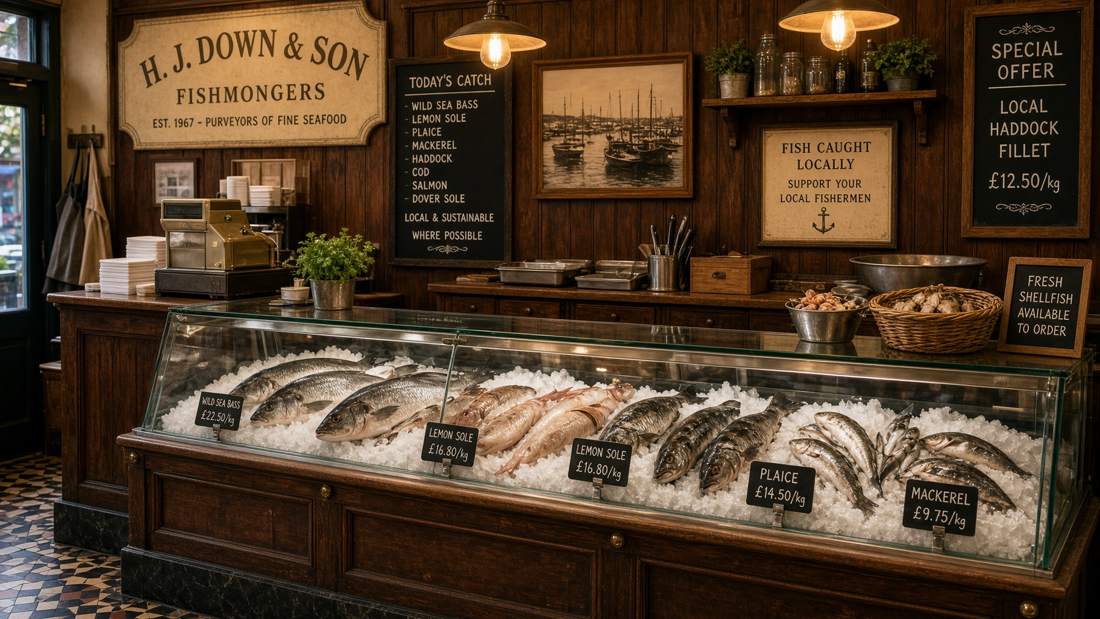
Start with the most direct options. Community supported fisheries and direct-from-fisher programs deliver local catch, farmers markets often host seafood vendors, and public markets and independent fish shops provide the freshest, best-informed service. Trade groups and state marketing programs can point to certified local sellers. For wholesale, restaurants buy through regional dealers and processors, and many allow retail purchases.
What to look for through the year
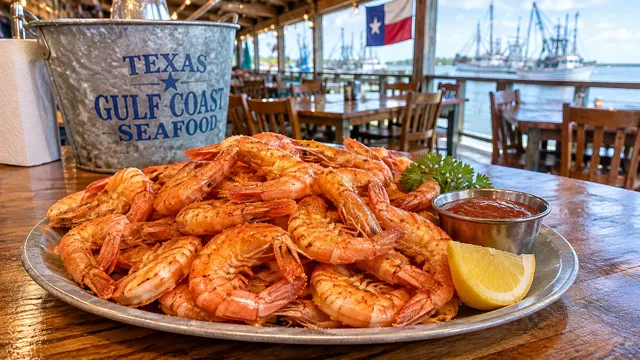
Seasonality drives price and quality. Alaska salmon and halibut peak in summer, Gulf shrimp and oysters have regional seasons, New England scallops and lobster follow cold and warm cycles, and Dungeness crab arrives in the Pacific in winter. Frozen seafood, when frozen at peak quality, is often an excellent choice year-round.
Labels worth knowing
Country-of-origin labels tell you where fish was caught or farmed, and wild or farm-raised status. Certification marks from the Marine Stewardship Council and Aquaculture Stewardship Council signal third-party standards, while consumer guides such as Seafood Watch rate species. Ask the counter for species, origin and catch method.
At the counter: checks and questions
- Ask the species, origin and how it was caught.
- Prefer frozen when fresh looks tired or sells slowly.
- Use consumer guides to rank choices by sustainability and safety.
Health and legal basics
Food safety is shared among federal and state agencies. FDA regulates seafood safety and HACCP rules, the National Shellfish Sanitation Program classifies growing waters, NOAA Fisheries manages stocks, and state agencies handle licenses and local inspections. Check current consumption advice for pregnant women and children.
For more detail, these guides help: the FDA seafood HACCP rule, sustainability ratings explained and reading seafood labels.
Shopper resources: markets, sellers and trade groups
- Local Catch Network (community supported fisheries)
- LocalHarvest (farm and market finder)
- USDA farmers market directory
- National Fisherman (commercial fishing news)
- Seafood Harvesters of America
- Southern Shrimp Alliance
- American Shrimp Processors Association
- Catfish Farmers of America
- East Coast Shellfish Growers Association
- Pacific Coast Shellfish Growers Association
- National Shellfisheries Association
- Seafood Nutrition Partnership (consumer education)
- Seafood Watch (consumer species ratings)
- Marine Stewardship Council
- Aquaculture Stewardship Council
Official agencies and regulators
- NOAA FishWatch
- NOAA Fisheries
- How U.S. fisheries are managed
- FDA advice about eating fish
- EPA: choose fish and shellfish wisely
- FDA Seafood HACCP
- FDA Fish and Fishery Products Hazards and Controls Guidance
- National Shellfish Sanitation Program
- Interstate Shellfish Sanitation Conference
- USDA country-of-origin labeling
- Seafood Import Monitoring Program
- NOAA aquaculture
- Gulf States Marine Fisheries Commission
- Pacific States Marine Fisheries Commission
- Great Lakes Fishery Commission