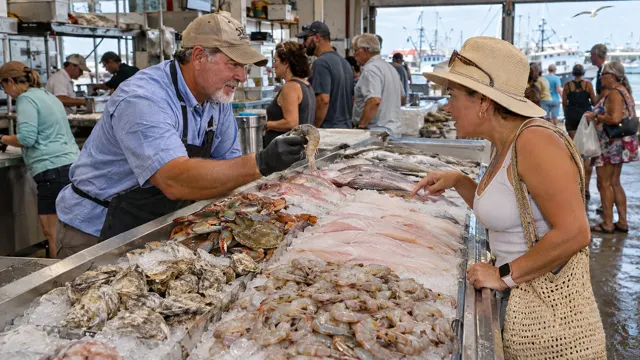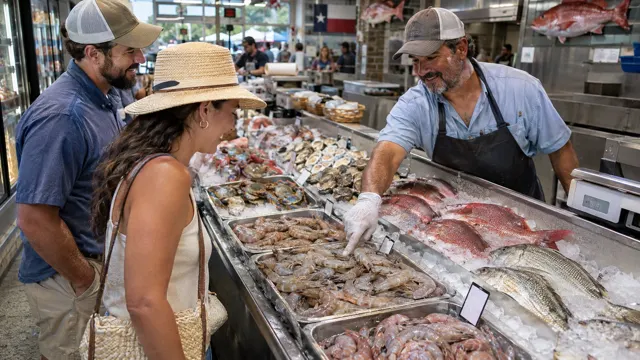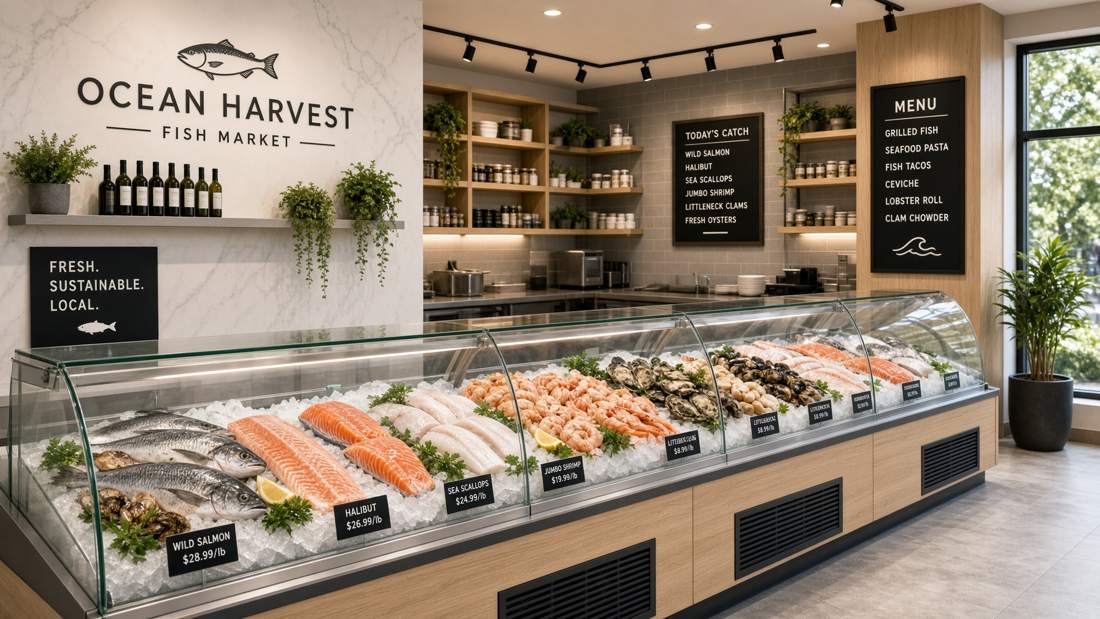
Seafood in Nevada is a story of long supply lines. Las Vegas is one of the biggest dining cities in the country, and its restaurants and wholesalers fly in fish and shellfish from coastal ports, which also supplies the grocery stores and Asian markets that home cooks use. Inside the state, the best-known native fish is the Lahontan cutthroat trout of Pyramid Lake, a tribal fishery rather than a market product.
Where to buy seafood in Nevada
Las Vegas and Henderson have supermarket seafood counters, large Asian grocery stores with live tanks and whole fish, warehouse clubs, and specialty shops. Reno and Sparks have a smaller but similar mix. Smaller towns rely on supermarkets, where frozen products dominate. Because fish often arrives by air freight, ask what day the case was stocked, and compare the price of fresh fish with frozen fillets sealed at the source. Farmers markets sometimes include a seller of frozen or smoked fish; ask where it came from and how it has been kept cold.
What Nevada waters offer
Anglers in Nevada catch trout, bass, catfish, crappie, kokanee and walleye in reservoirs and lakes, including Lake Mead and Lake Mohave on the Colorado River system. Pyramid Lake, on the Pyramid Lake Paiute Reservation, is famous for large Lahontan cutthroat trout; fishing there requires a tribal permit in addition to any state requirements, so check with the tribe before you plan a trip. Commercial farming of fish such as trout and tilapia exists on a small scale, but most Nevada households buy seafood from outside the state.
Buying fish in a desert climate
Heat is the main enemy. A trip from a Las Vegas store to a car parked in summer sun can warm fish past safe temperatures within a short time. Bring an insulated bag with ice packs, do your seafood shopping last, and put the fish in the refrigerator or freezer as soon as you get home. The guide to transporting seafood in personal vehicles has practical steps. If a fillet smells sour or ammonia-like, or feels slimy, do not buy it; see recognizing freshness in fish.
Questions to ask at the counter
- When did this fish arrive, and was it frozen before it was thawed for sale?
- Is it wild-caught or farmed, and where is it from?
- Can you give me the fish on ice, in a sealed bag, for the drive home?
- Is there a frozen version that costs less?
Fish consumption advisories and fishing rules
Advisories for locally caught fish are issued for particular waters and can change, so check current notices from the Nevada Department of Health and Human Services and posted guidance from the Nevada Department of Wildlife before you cook your catch. For fish from stores, the FDA advice about eating fish and EPA guidance on choosing fish and shellfish explain mercury and portion sizes.
Fishing in Nevada generally requires a state license, with trout stamps and special rules on some waters. Limits, seasons and gear rules vary, so check the current regulations on the Nevada Department of Wildlife website. There is no marine shellfish harvest in Nevada; shellfish sold in stores is covered by source-state controls under the National Shellfish Sanitation Program. If you plan to eat raw oysters, read about Vibrio risk in oysters first.
Shopper resources: markets, sellers and trade groups
- USDA farmers market directory
- Local Catch Network (community supported fisheries)
- LocalHarvest (farm and market finder)
- Seafood Watch ratings