New Hampshire has only about 18 miles of coastline, but the Seacoast around Portsmouth, Rye and Hampton punches above its size for seafood. Fishing boats land groundfish and lobster, oyster farms grow in the Great Bay estuary system, and the state's shoppers also benefit from the nearby Gulf of Maine fleet in Maine and Massachusetts.
Where to buy seafood in New Hampshire
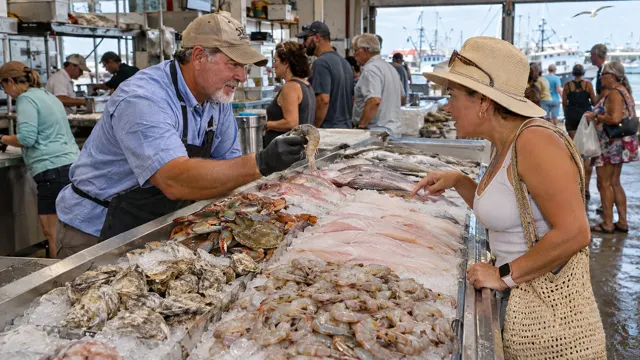
Look first at independent fish markets and lobster pounds along the Seacoast, where staff can tell you which boat or farm supplied the day's catch. Supermarkets across the state carry fresh and frozen fish, and farmers markets in summer often include a seafood seller or a community supported fishery pickup. If you want to buy a share of a boat's catch, community supported fisheries explains how they work, and the Local Catch Network lists programs. Regional trade groups such as the East Coast Shellfish Growers Association and the Gulf of Maine Research Institute offer background on the shellfish and fisheries of this area.
What is local and in season
Lobster is the signature catch, and you can buy it live from pounds near the coast or from nearby Maine. Gulf of Maine groundfish such as haddock, pollock and cod come through Portsmouth and neighboring ports; ask what is in season, because availability and quotas vary. Oysters grown in Great Bay and the Piscataqua and Hampton-Seabrook waters are a regional favorite, and shellfish harvest areas open and close based on water testing, so what is available changes. Sea scallops, mussels and Atlantic herring are also part of the regional supply.
Buying lobster and oysters well
Choose lobsters that are lively and heavy for their size, and cook them the day you buy them; live lobster care covers storage. For oysters, ask where they were grown and when they were harvested, keep them cold and cup-side down, and use them within a few days; shellfish storage has details. Raw shellfish carries some risk for people with weakened immune systems, liver disease or pregnancy, so talk to a doctor if you are unsure.
Quick tips
- Buy shellfish only from sellers who can tell you the harvest area.
- Carry live shellfish in a cooler with ice packs, not sitting in melting water.
- Ask whether haddock or cod was caught locally or imported; both are common.
Fish consumption advisories and shellfish and fishing rules
New Hampshire issues freshwater fish consumption advice for certain lakes and rivers, and coastal shellfish areas are classified and closed when testing finds problems. Check the current rules with the state's Department of Environmental Services shellfish program and the Department of Health and Human Services rather than relying on older articles. For purchased fish, see the FDA advice about eating fish.
Saltwater and freshwater recreational fishing is managed by New Hampshire Fish and Game, which publishes licensing information, seasons and size limits; start at the New Hampshire Fish and Game Department site. Recreational clamming and oystering have their own license and closure rules, so check them before you harvest. The National Shellfish Sanitation Program explains the national framework behind harvest area classification, and shellfish harvest area classifications translates it for shoppers.
Shopper resources: markets, sellers and trade groups
- Local Catch Network (community supported fisheries)
- Lobster From Maine (industry marketing collaborative)
- East Coast Shellfish Growers Association
- Gulf of Maine Research Institute